Food, health and Country: Building a system that sustains
By JACOB BIRCH
As a Gamilaraay man, agrifood entrepreneur, Churchill Fellow, and PhD candidate researching native grains, I’ve spent years reflecting on how food systems are adversely impacting the wellbeing of our communities and Country that sustains us.
After spending time with Indigenous communities in North America, I see now just how far Australia has fallen behind and how much we stand to gain by doing things differently.
What I experienced overseas was transformational. Many Indigenous individuals, communities, and nations in the United States and Canada have spent generations rebuilding their food systems from the ground up. The systems they’ve created are now decades ahead of Australia.
To do this, they created food systems prioritising healthy people and healthy Country instead of agricultural profit.
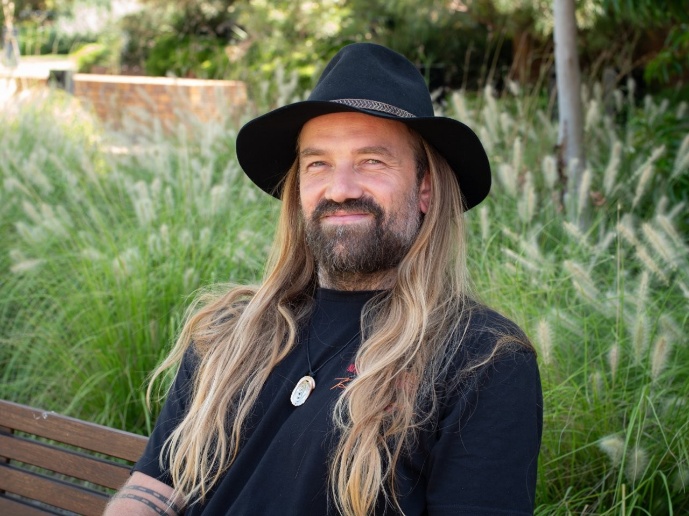
Agrifood entrepreneur, Churchill Fellow, and PhD candidate Jacob Birch.
Key steps to success
They invested in their own food sovereignty, grew their own foods both native and commercial, processed locally and distributed throughout their communities at heavily subsidised prices, and created jobs and industries that put culture, wellbeing and ecological knowledge at the centre.
By not prioritising profits, some tribal nations are now regional economic powerhouses. Surprisingly their rocketing business success is not the most extraordinary achievement, rather the transformational impact on health.
30 years ago, many tribal nations in North America saw the widening gap in health and wellbeing between their people and the rest of society and took decisive action. By shifting to Indigenous‑led, values‑driven food systems, they have not only closed the life expectancy gap with non‑Indigenous Americans, but many have surpassed it.
The benefits don’t stop at physical health and economic development. When children are well-nourished at school, their capacity to learn improves.
When families have food security their stress decreases. When communities control their own food systems, they gain psychological and cultural strength.
When wild foods are managed according to Indigenous ecological knowledge, ecosystems flourish. Food sovereignty supports every other social determinant of health.
Our different experience
In contrast, a federal approach in Australia to close the gap between Indigenous and non‑Indigenous life expectancy, within a generation, is not on track to succeed. Our health is tied to Country, but our ecosystems are collapsing.
Many communities on Gamilaraay Country must now buy bottled water while municipal water is diverted for agriculture. We face the same climate impacts, the same rising cost of living, the same pressure on supply chains as North America but the difference is they acted systemically, we have not.
That’s why my Churchill Fellowship and my research into native grains are so important to me. I’ve seen the path forward. I’ve seen communities achieve what Australia still calls ‘aspirational’.
We don’t need more pilot programs, short‑term funding cycles and people without lived experience telling us what we need. The key to success is Indigenous‑led food system governance that is strategic, sustainable and purpose‑driven.
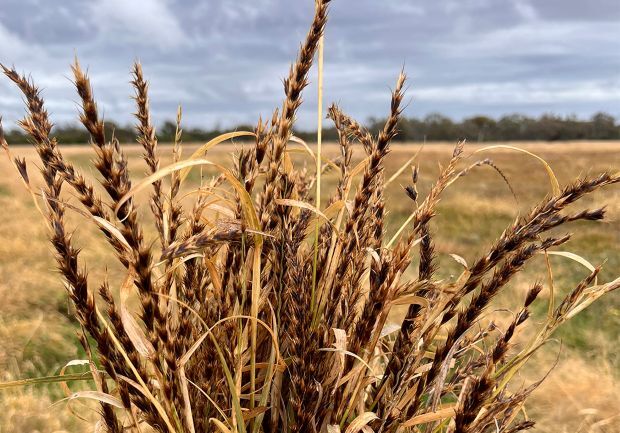
On Gamilaraay Country, we aim to replicate the North American success through our independent governance of the native grains industry.
For us, the development of our grassland economies is the entry point, and the catalyst, for us to step into the broader agrifood system. Our successes and our failures can become learnings for other nations across Australia and an example of what Indigenous food sovereignty looks like in practice.
Next steps for Australia
We need more than goodwill to achieve this. We need access to land and committed funding, 2 things we have historically been disenfranchised from.
We need serious strategic planning and capacity building to create critical mass. We need governments and institutions willing to partner with us and be led by us. We don’t need more paternalism and consultation.
None of this is impossible, I’ve seen it working. I’ve walked through communities that have rebuilt their economies on the values of reciprocity, relationality, respect and responsibility. These are more than abstract concepts; they are the foundations of Indigenous food systems that benefit everyone regardless of their heritage.
Australia has every opportunity to create a food future that restores health, strengthens communities and revitalises Country. But it requires bold leadership to challenge the way we think about the economics of agriculture and who the current system really serves.
As I have written in my Churchill Fellowship report, I believe with the right support, the native grains industry here in Australia is a systems changing opportunity. The transformational benefits will reach far beyond food. This will reshape lives.
- Jacob Birch is a PhD candidate within UQ’s Queensland Alliance for Agriculture and Food Innovation. His work focuses on Indigenous food sovereignty as nation-building, looking at the Gamilaraay peoples’ governance of their native grains industry as a case study.