A historic milestone for First Nations women in law
By TEKAN COCHRANE
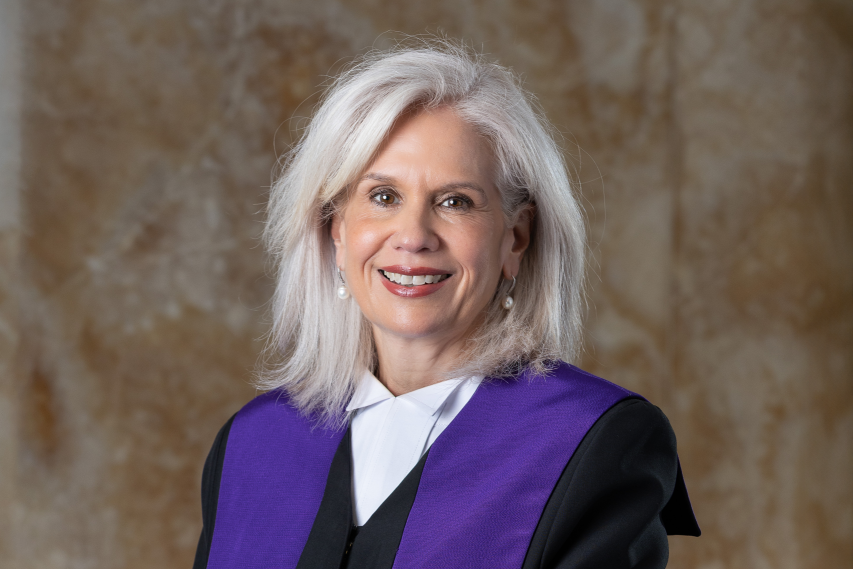
The appointment of Her Honour Judge Rose Falla to the County Court of Victoria on 12 May 2026 is a powerful moment for First Nations peoples, for women, and for the Victorian legal profession.
Her Honour is a proud Wotjobaluk, Wemba Wemba and Mutti Mutti woman, and her appointment marks a historic first, the first Aboriginal person appointed as a judge of the County Court of Victoria. It follows another significant milestone in Her Honour’s career, having previously been the first Aboriginal person appointed as a magistrate in Victoria.
An achievement worthy of deep celebration
For First Nations lawyers, law students, and communities, moments like this carry enormous meaning. They remind us that First Nations excellence has always existed within the law, and that our people belong in every part of the legal system, including as decision-makers, leaders and holders of judicial authority.
Her Honour’s appointment is not only a personal achievement. It is a moment of collective pride. It reflects years of service, leadership and contribution to the Victorian justice system, and it stands as a visible reminder of the strength, capability and leadership of First Nations women in law.
Representation on the bench matters
As a First Nations woman working in the legal profession, this appointment means something deeply personal. It reminds me, and so many others, that our place in the law is not limited by the narrow expectations historically placed upon us.
When First Nations peoples see one of our own appointed to judicial office, it sends a powerful message to our communities, our young people and future generations of First Nations lawyers: that we belong here. Not only as defendants, complainants, witnesses or advocates, but as leaders shaping the administration of justice itself.
This visibility is especially important in a profession where Aboriginal and Torres Strait Islander peoples have too often been underrepresented in senior legal and judicial roles. Appointments such as this help expand what is possible. They show First Nations law students and early-career lawyers that there is a place for them in the profession, and that their knowledge, cultural strength, lived experience and leadership are valuable.
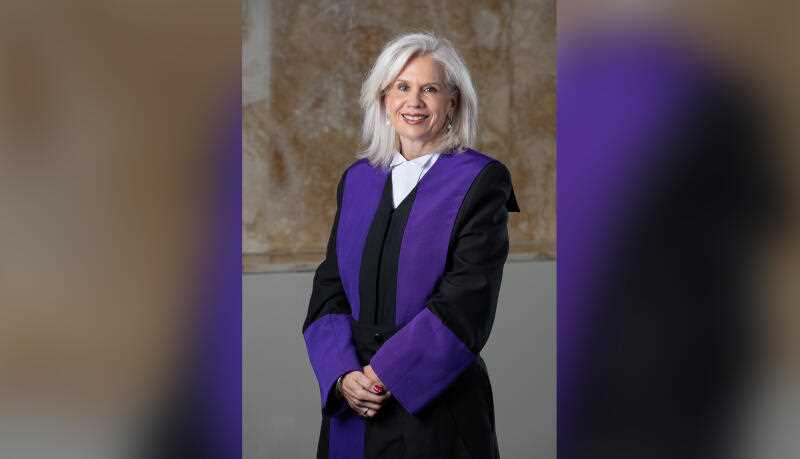
Judge Falla’s appointment also recognises a career of service and contribution. Her Honour has played an important role in the development of Victoria’s Koori Courts and in strengthening culturally appropriate court processes for First Nations peoples. This work has helped reshape the way the justice system understands culture, community, accountability and fairness.
That contribution matters. It reflects a deep commitment to justice, to community, and to ensuring that the legal system is more responsive to the people it serves.
For First Nations women, this appointment carries particular weight. First Nations women have always led in our families, communities, movements and institutions, often while carrying responsibilities that are invisible to others. Seeing a First Nations woman appointed to the County Court is a reminder of the excellence, resilience and leadership that has always existed in our communities.
It is also a moment that should inspire pride across the broader legal profession. The appointment of Her Honour Judge Falla is not only significant because it is the first of its kind. It is significant because it recognises merit, service, leadership and contribution at the highest level.
This milestone should be celebrated with the respect and recognition it deserves
It is a moment for First Nations peoples to feel proud. It is a moment for women in law to feel proud. It is a moment for the Victorian legal profession to acknowledge and celebrate the contribution of a remarkable First Nations woman whose career has helped strengthen the administration of justice in this State.
Her Honour Judge Rose Falla’s appointment is a proud and historic achievement for First Nations peoples, for women, and for justice in Victoria.
May it be celebrated as the milestone it is, and may it inspire future generations of Aboriginal and Torres Strait Islander peoples in law to see that they belong in every part of the law.
- Tekan is a Kooma and Yuwaalaraay woman, lawyer, Founder and Director of TC Law & Consulting (www.tclawconsulting.com.au), and Executive Officer of Tarwirri Indigenous Law Association of Victoria (www.tarwirri.com.au).


- ACT
- AFL / AFLW
- Arts
- Athletics and Olympics
- Business
- Conditions and Research
- Culture
- Elections
- Employment and Careers
- Enterprise and Startups
- Entertainment
- Events and NAIDOC
- Fashion
- Film and TV
- Food
- Government and Policy
- Grants and Funding
- Health
- Healthcare and Services
- Heritage and History
- International
- Language
- Legal and Justice
- Lifestyle
- Mental Health and Wellbeing
- Music
- National
- News
- NRL and Rugby League
- NSW
- NT
- Olympics
- Opinion
- Other Sports
- People and Profiles
- Podcast
- Politics
- Property and Land
- QLD
- SA
- Sports
- TAS
- Technology
- Travel
- Treaty and Truth-telling
- VIC
- Voice and Referendum
- WA