First Nations ways of teaching can reshape how doctors are trained
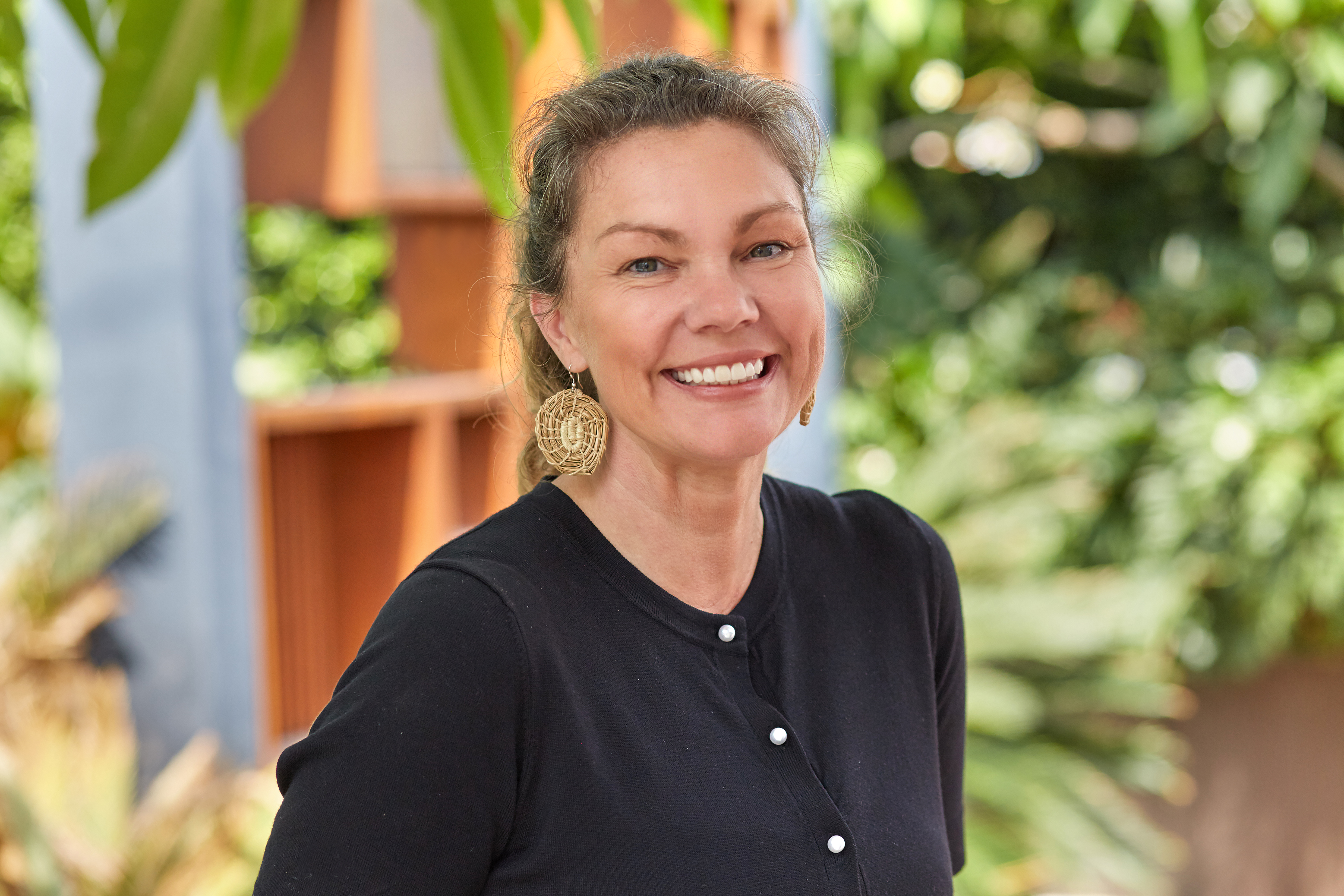
By EMMA MILLISS
Australian medical schools are under growing pressure to move beyond “add-on” Indigenous content and genuinely embed First Nations ways of teaching and learning throughout their programs.
New accreditation standards promise a shift in how future doctors learn to work with mob, but recent accreditation reports show the change is uneven and fragile.
What this snapshot looked at
In early 2026, I reviewed eight publicly available accreditation reports from the Australian Medical Council (AMC) for medical schools in Australia. I focused on how each program described its approach to teaching and learning about First Nations health, especially where they mentioned First Nations pedagogies or ways of teaching.
These reports are only a high-level summary of what schools submitted, so they can’t show every classroom practice or community partnership. But they do offer a useful snapshot of how universities are telling their story to the national accreditor, and how seriously they take First Nations ways of knowing, being and doing.
First Nations pedagogy is more than “content”
First Nations communities have sustained sophisticated systems of teaching and learning for tens of thousands of years. These approaches are grounded in relationships, observation, story, place and experience, rather than a one-way, power-imbalanced lecture model. They include practices such as yarning and clinical yarning, Dadirri (deep, respectful listening), the eight Ways framework and the Kin and Country framework, for example.
For medical education, this means more than slotting a few lectures on “cultural awareness” into a crowded timetable. It means redesigning how students learn, who leads the teaching, how they are assessed, and how universities relate to Aboriginal Community Controlled Health Organisations and First Nations communities.
What the AMC standards now expect
The AMC’s enhanced 2023 standards set a much higher bar for First Nations health in medical programs. They emphasise First Nations leadership, genuine partnership with communities, strengths based approaches and reciprocal relationships, rather than token efforts or deficit narratives.
Earlier national frameworks such as the CDAMS Indigenous Health Curriculum Framework and the Aboriginal and Torres Strait Islander Health Curriculum Framework already argued that Indigenous ways of teaching and learning should sit at the heart of medical education, not at the margins. The new standards reinforce that message and give it real weight in accreditation.
What the reports are saying
Across the eight reports I reviewed, there was a clear shift in language. Many medical schools now describe their First Nations curriculum as First Nations designed and led, and they talk about strengths based teaching rather than simply “covering” Indigenous health topics.
However, very few reports explicitly name First Nations pedagogies or go into detail about how they are used in practice. Only two reports clearly mentioned approaches like clinical yarning, art, story, reflection, music, narrative and connection to Country as teaching methods used with students. This suggests that, while the discourse is changing, the actual embedding of First Nations ways of teaching is still patchy.
Several programs highlight vertically integrated structures that build students’ understanding of history, social determinants of health and racism across multiple years. That is promising but without stronger detail on how First Nations teaching methods are used, it is hard to know how transformative these curricula really are.
Fragile progress and heavy loads
The reports also reveal how closely First Nations pedagogy is tied to governance, staffing and institutional structures. Where programs are making real progress, they have First Nations academics leading curriculum development, strong community partnerships, and clear commitments to equity and accountability.
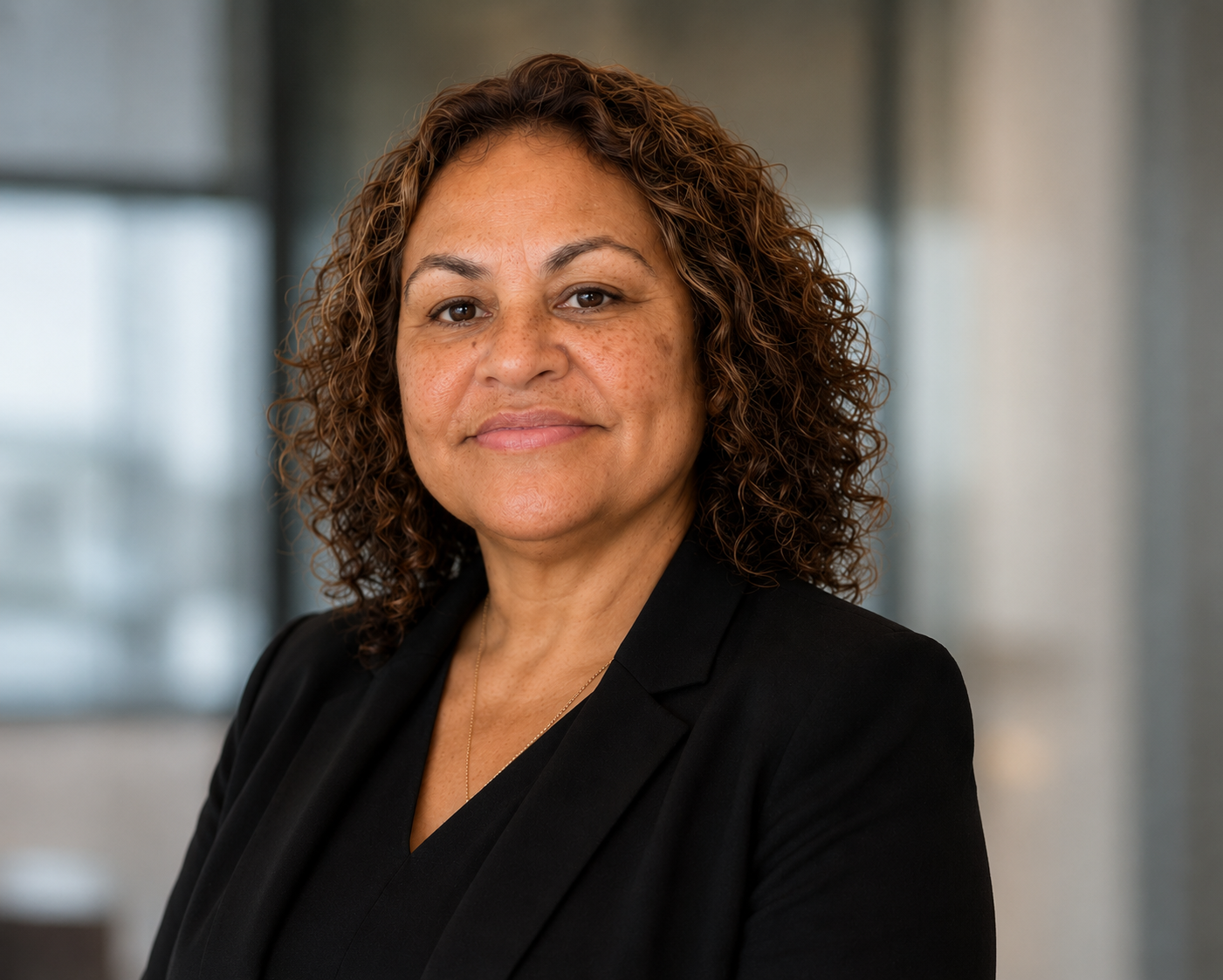
Emma Millis is a senior lecturer in First Nations Health at Macquarie University’s Medical School.
At the same time, the AMC repeatedly flags structural fragility, namely that many schools rely on small Indigenous teams who carry a disproportionate workload responsible not just for teaching, but also for cultural safety, student support, governance and relationship building. In some cases, clinical placements with Aboriginal Community Controlled Health Organisations are limited or inconsistent, and assessment practices do not fully match the stated ambitions.
Without sustained investment in First Nations leadership, staffing and partnerships, there is a real risk that the strengthened accreditation standards could be difficult to achieve and maintain.
Why this matters for mob
For Aboriginal and Torres Strait Islander communities, this is not just an academic or curriculum issue. The way medical students learn about, and with, First Nations peoples shapes how they will respect, engage, listen, respond, and share power in clinical encounters. When First Nations ways of teaching and learning are properly embedded, doctors are more likely to graduate with the humility, skills and relationships needed to provide genuinely safe care.
A sector in transition
Overall, the accreditation reports depict a sector in transition. The language of tokenism is fading, and more programs are talking about strengths based and First Nations led approaches. Yet the details of who is leading, how teaching and assessment is done, and how communities are involved still need much deeper work.
Meeting the promise of the AMC’s new standards will require universities to move beyond rhetoric. That means properly resourcing First Nations leadership and teams, strengthening partnerships with Aboriginal Community Controlled Health Organisations, and embedding First Nations pedagogies throughout curriculum, assessment and governance.
The reports show that First Nations pedagogy is not a side topic; it is a transformative way of reimagining what medical education is for, and who it serves. The challenge now is to turn that vision into everyday practice in lecture theatres, tutorials, clinics and on Country.
- Emma Milliss is an Aboriginal woman, wife, mother, advocate, carer and lifelong learner with a connection to Gundungurra Country. Professionally, her background is as a paramedic, a primary school teacher, a stint in Federal government as a First Nations program manager and currently she is a senior lecturer in First Nations Health at Macquarie University’s Medical School.