First Nations maternity care boosting health outcomes
By EMILY WOODS
Culturally tailored midwifery is helping close the gap between health outcomes for Indigenous and non-Indigenous babies, with almost half born healthier.
Amid a sea of people visiting major hospitals for maternity care, being provided with culturally tailored midwifery felt like being offered a life raft for First Nations woman Sarah Bayliss
“You can get lost in the system,” the Wiradjuri woman said.
“‘It is nice to feel like even though you’re in a sea of people, there’s a nice little raft there that you can go to where you feel accepted, recognised and safe.”
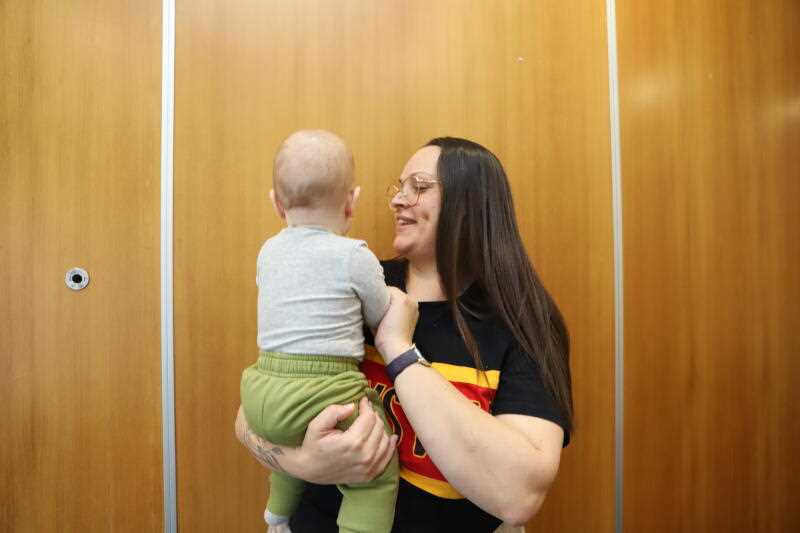
Ms Bayliss gave birth to a healthy baby boy, Jiraiya, seven months ago at Melbourne’s Mercy Hospital for Women.
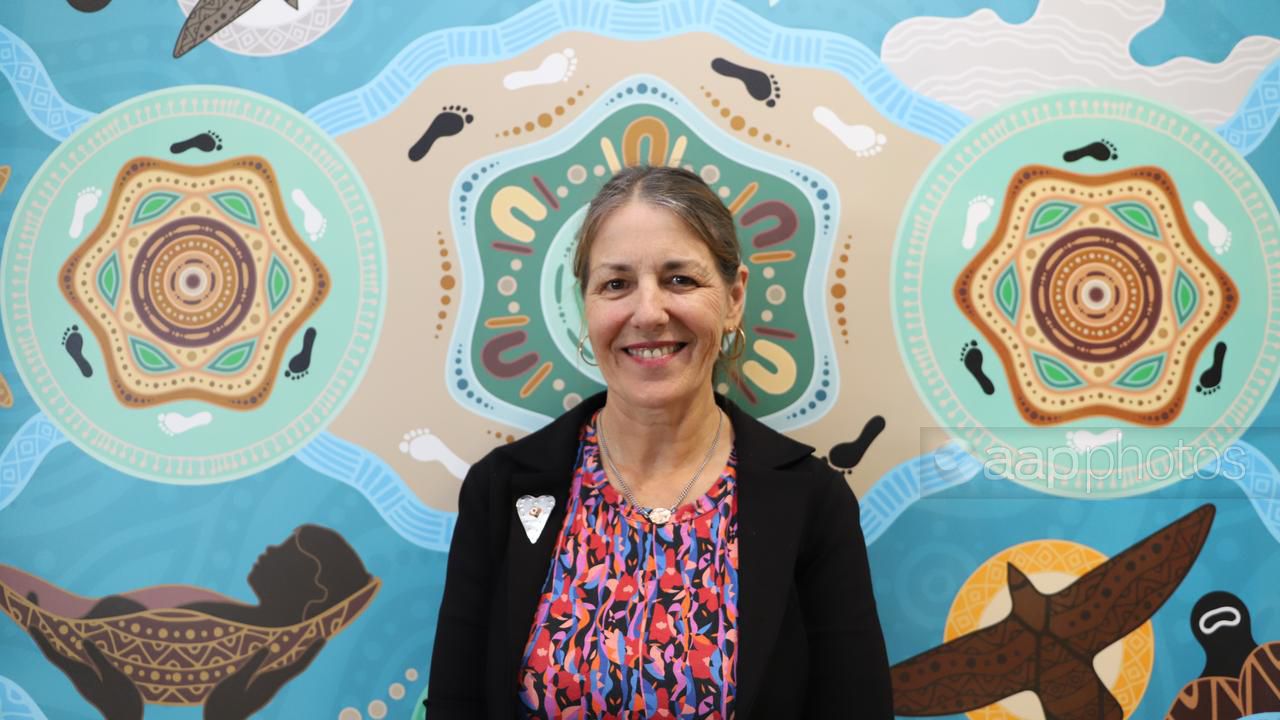
Building a trusted relationship between mother and midwife is vital, according to Della Forster.
Hers is among 164,000 births, and Jiraiya among 2000 First Nations babies, who benefited from the Baggarrook Yurrongi model of care over the past decade.
For many Aboriginal and Torres Strait Islander women, pregnancy can occur against a backdrop of previous poor experiences with healthcare, along with uncertainties their cultural needs will be understood and respected.
The program provides these women with a known midwife throughout pregnancy, birth and the early postnatal period, and they provide her culturally informed care built around the needs of First Nations families.
A new study has found the model led to a 45 per cent increase in First Nations babies being born healthy, with 33 per cent less likely to be born with low birth weight and 36 per cent less likely to be born early.
About 30 per cent of babies born through the program were less likely to require neonatal intensive care.
Helping to heal intergenerational trauma
Running across the Royal Women’s Hospital, Mercy Hospital for Women, and Joan Kirner Women’s and Children’s Hospital at Sunshine, the study is one of the largest of its kind.
The model has narrowed disparities in birth outcomes between Indigenous and non-Indigenous families.
Ms Bayliss’s midwife Ashleigh Daisley said the program was also helping to heal intergenerational trauma.
“For population groups such as First Nations women, who have had their challenges in the hospital system for generations, that generational trauma is passed down,” she said.
“Families are sometimes less inclined to attend hospital, and we’re more likely to see pre-term births and some adverse pregnancy outcomes in these families.
“By having a known midwife, we know that it’s like the best way to care for these women, improve birthing outcomes, and really just have a positive experience in the hospital.”
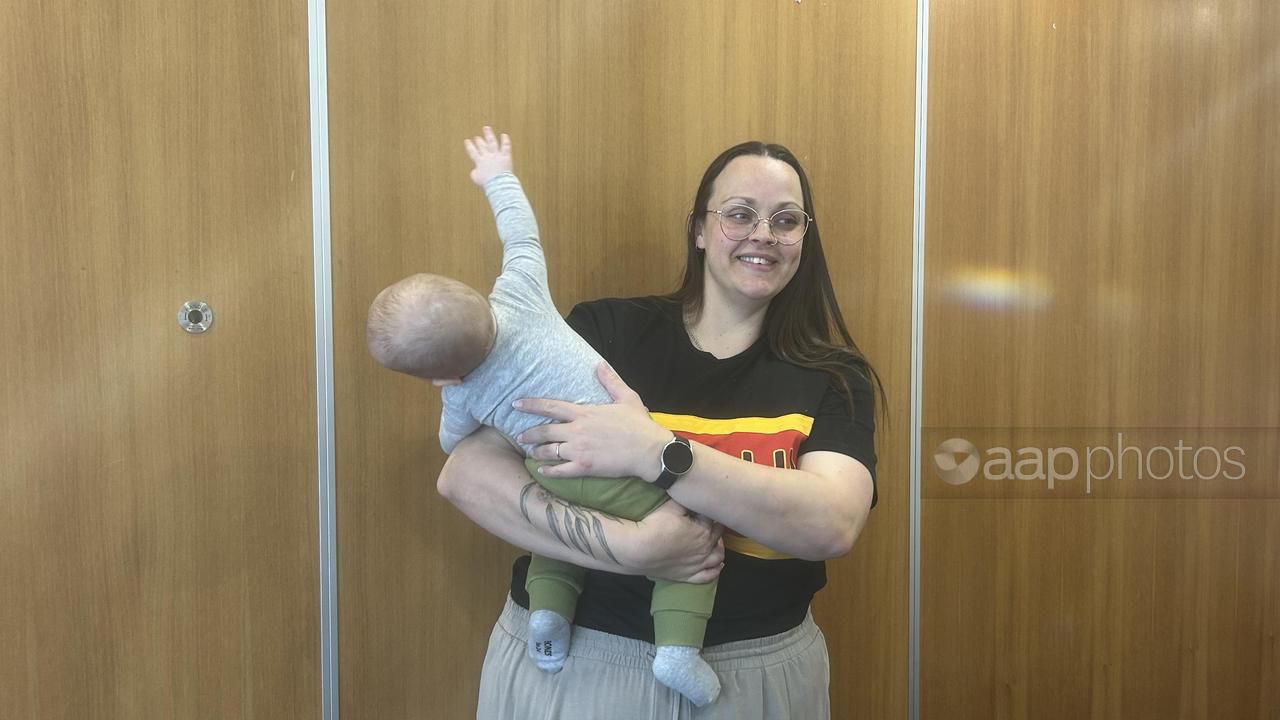
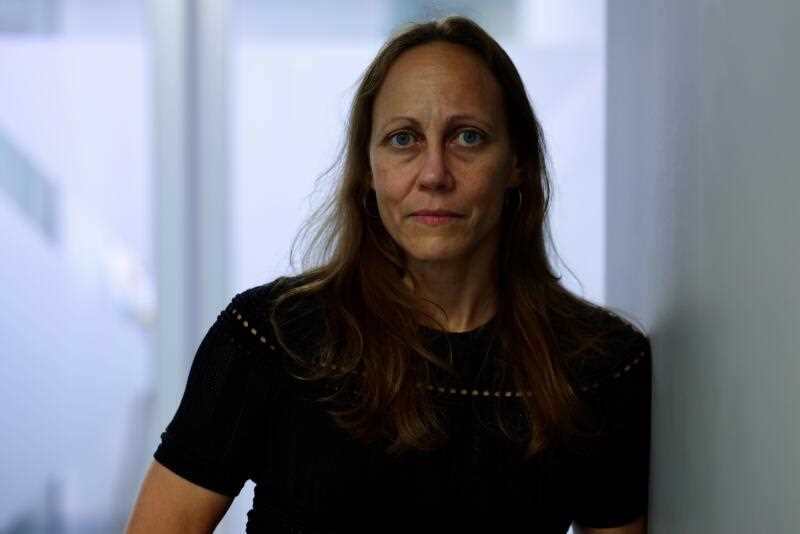
First Nations woman Sarah Bayliss welcomed the participation of a midwife in her boy’s birth. (Emily Woods/AAP PHOTOS)
First Nations woman Sarah Bayliss welcomed the participation of a midwife in her boy’s birth. (Emily Woods/AAP PHOTOS)
Lead researcher and La Trobe University professor Della Forster said fostering a trusted relationship between the woman and her midwife was the “cornerstone” of the initiative.
“There’s this trusted relationship, so that’s really critical, and probably the cornerstone of the model,” she said.
”The more trusted the relationship, the better care co-ordination, so people aren’t falling through the cracks.”
Prof Forster is hopeful the program’s success will lead to greater take up in hospitals across Victoria, but said that required government funding.
“It shouldn’t have to rely on project research money, we’re also getting philanthropic funding,” she said. “What’s needed is a strategic approach.”
aap