Indigenous World 2026 shows Australia must move from commitment to action
By TEKAN COCHRANE
The latest edition of The Indigenous World tells a familiar and uncomfortable story about Australia.
The Indigenous World 2026 documents fragmented progress on Closing the Gap, divergent approaches to treaty and truth-telling, and ongoing concerns about First Nations cultural heritage. Together, these issues reveal the distance between Australia’s commitments to First Nations peoples and the outcomes experienced by our communities.
Australia has become very good at acknowledging First Nations injustice. Governments acknowledge Country. Institutions publish reconciliation action plans. Political leaders speak of partnership and self-determination. Reports are commissioned, targets announced and commitments renewed.
There is genuine commitment behind many of these efforts. I have seen people across governments, institutions and community organisations working hard to create change. But commitment must ultimately translate into meaningful and sustained action.
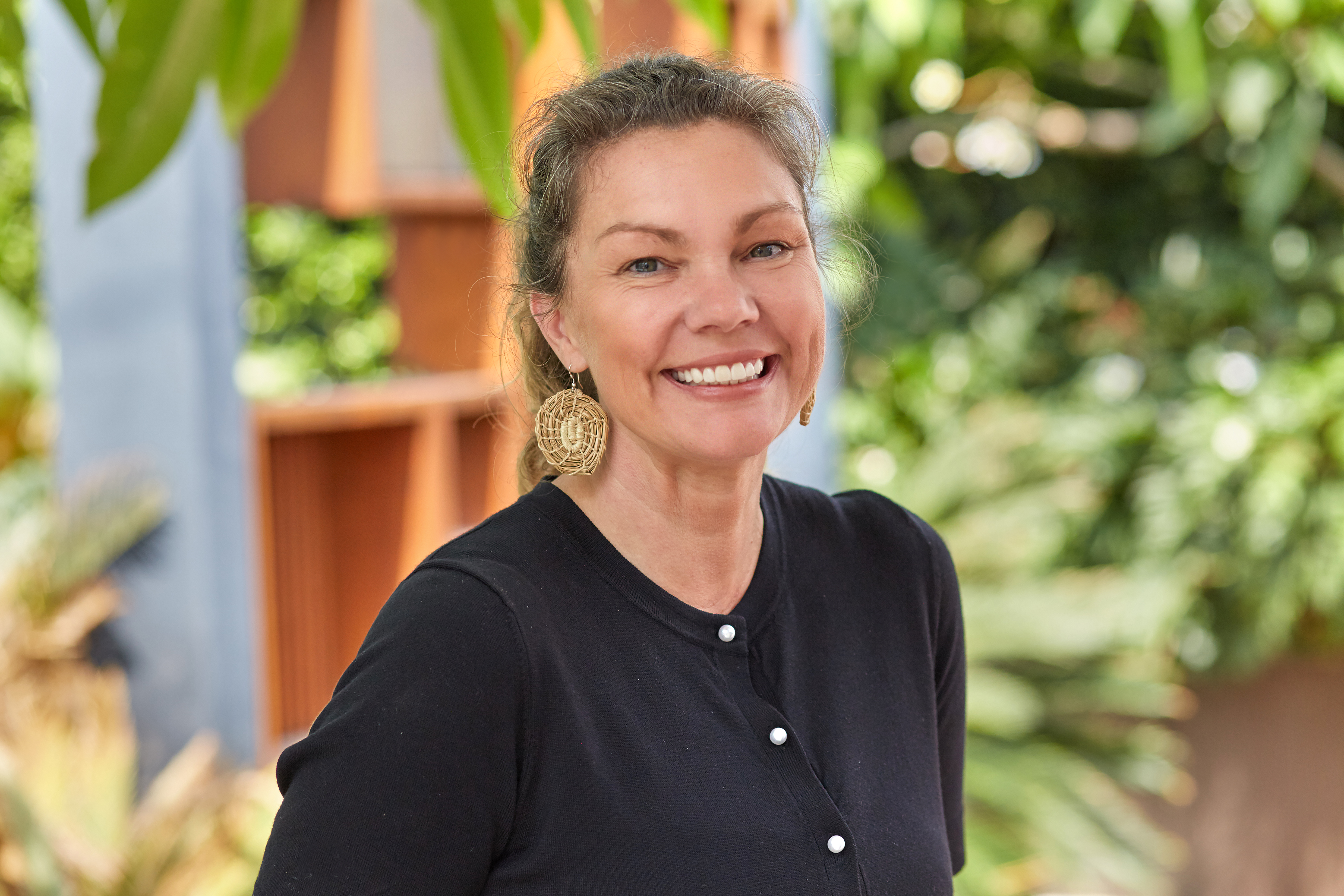
As a First Nations woman who grew up in regional Queensland, I understood from an early age both the strength of our communities and how decisions made far away can shape people’s opportunities and futures. Through my work as a lawyer and human rights advocate, I have also seen the gap between institutions speaking about self-determination and being prepared to share decision-making power.
Australia does not lack evidence
First Nations peoples remain disproportionately imprisoned. Our children are removed from family at unacceptable rates, while communities continue to experience inadequate housing, poorer health outcomes and systemic racism. Many Closing the Gap targets also remain off track despite sustained effort across governments and communities.
“Closing the Gap” has become so familiar that it risks becoming detached from what it describes: preventable deaths, children separated from family, people incarcerated and communities fighting for the resources and authority needed to shape their own futures.
Many government policies demonstrate a genuine commitment to improving outcomes, and people across government are working hard to deliver change. But good policy and genuine intentions must lead to better outcomes.
First Nations peoples have waited too long for progress that remains slow or uneven. The evidence is available, many solutions are already known and the need for change is urgent.
It is time to move from commitment to sustained action.
That action must include examining how priorities are set, how funding is controlled and who determines what success looks like. Too often, First Nations organisations are expected to deliver change within systems they have had limited opportunity to shape.
That falls short of self-determination
Self-determination is more than consultation or an invitation to comment after the agenda has been set. It requires decision-making authority, secure resources and genuine institutional influence.
This is why treaty and truth-telling matter. Some Australian jurisdictions have advanced formal processes, while others have retreated or stalled. First Nations rights should not depend on a person’s postcode or the political cycle of the government in office.
Whether the issue is health, child removal, incarceration or treaty, the underlying question is the same: how can First Nations peoples hold greater authority over decisions affecting our lives and communities?
First Nations peoples should not have to repeatedly prove the value of community control or Indigenous-led solutions. Aboriginal Community Controlled Organisations have long shown that services designed and led by communities can be more responsive, trusted and culturally informed.
The question is not whether First Nations peoples are capable of leading. It is whether our systems are prepared to support that leadership with genuine authority and resources.
Governments and institutions must share decision-making authority, provide long-term funding, strengthen the community-controlled sector and embed First Nations participation where decisions are formed not after they have effectively been made.

There must also be accountability. When targets remain off track, there should be transparency about why, who is responsible and what will change. That burden should not be carried by First Nations communities alone.
The next edition of The Indigenous World should not have to tell the same Australian story: genuine commitment, fragmented progress and First Nations communities still waiting for meaningful change.
Australia does not need another promise. It needs the political courage to build on existing commitments, respect First Nations authority and create the conditions in which our peoples can genuinely determine our own futures.
You can read The Indigenous World 2026: Australia here.
- Tekan Cochrane is a Kooma and Yuwaalaraay woman, Lawyer, Founder and Director of TC Law & Consulting (www.tclawconsulting.com.au), and Executive Officer of Tarwirri Indigenous Law Association of Victoria (www.tarwirri.com.au).