When the waters rose: What Floodland reveals about Indigenous healing and climate trauma
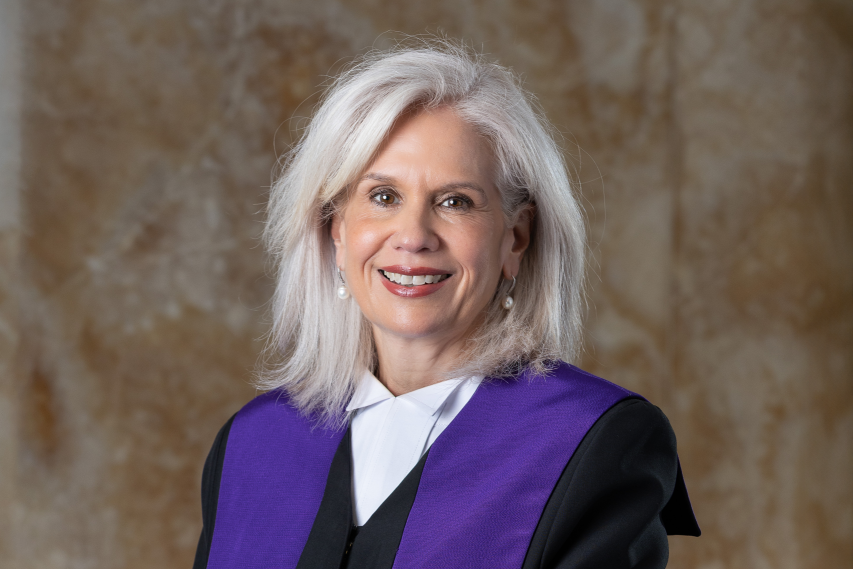
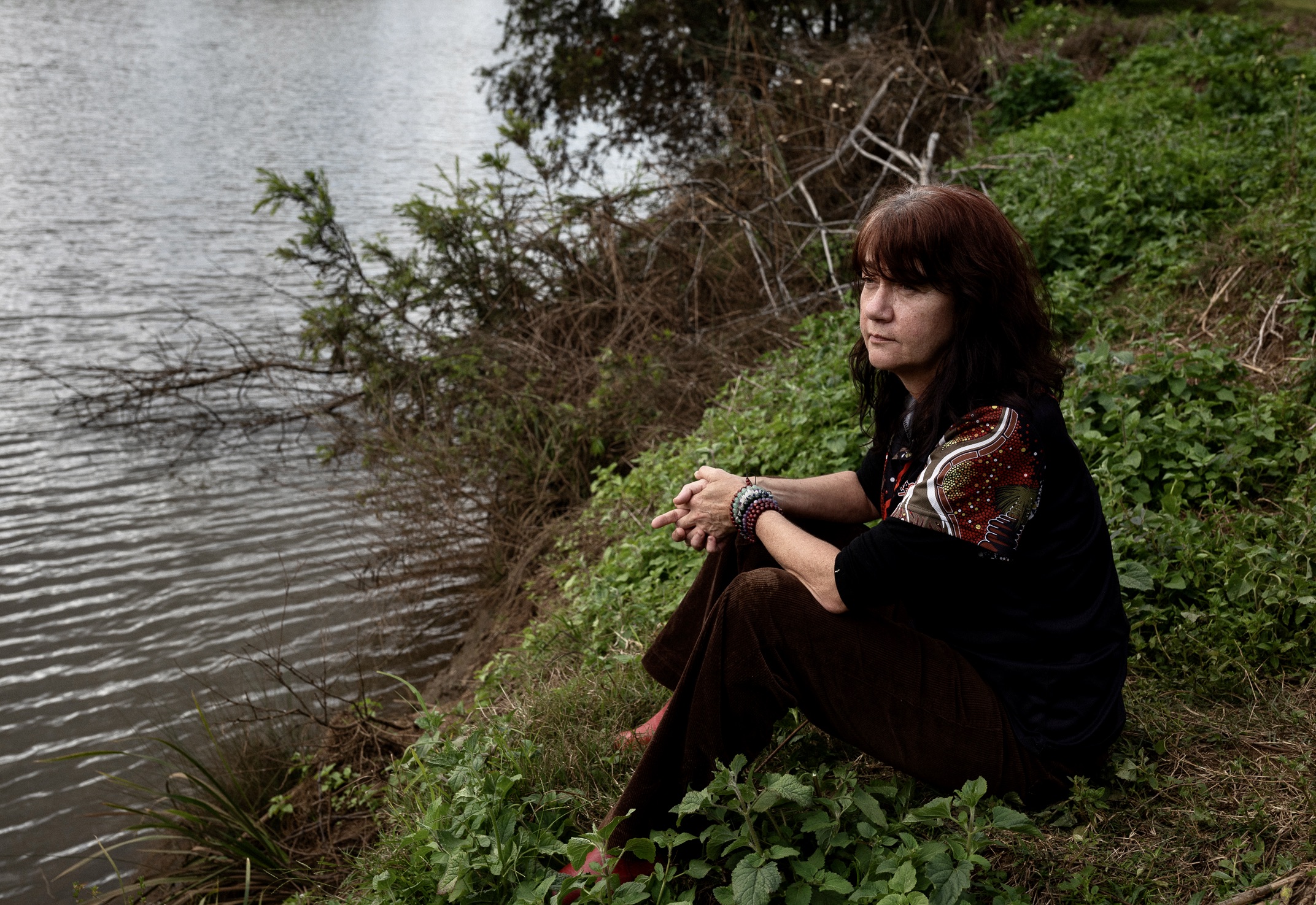
By Associate Professor Dr CARLIE ATKINSON
When the waters rose in Lismore in 2022, they did not just flood homes and businesses they flooded nervous systems, they flooded memories they flooded stories that many of our people have carried for generations.
In the movie Floodland, we see the physical devastation but what is less visible, but just as powerful, is the trauma that rippled through community long after the mud was cleared.
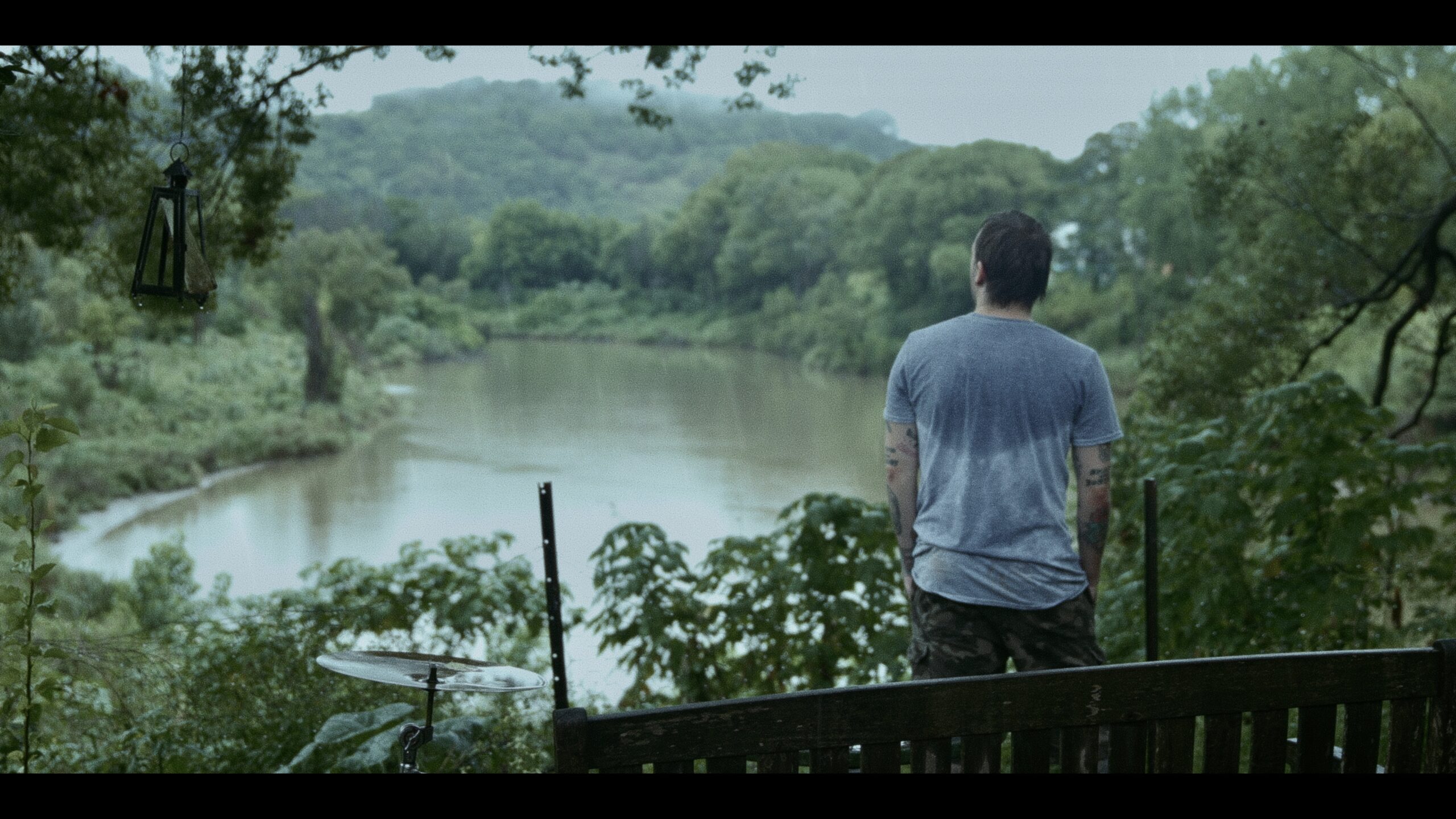
For First Nations communities, climate disaster does not arrive on empty ground, it lands on Country that already holds the imprint of invasion, displacement, policy violence and intergenerational trauma.
When the river rose, it did not just activate present-day fear it stirred historical memory. The body remembers removal, instability and when safety was not guaranteed.
Climate trauma and intergenerational trauma are not separate experiences – they intersect.
When Disaster Meets History
In Lismore, the floods exposed what many of us already knew, that inequality sits just beneath the surface. Those living in older housing, in lower-lying areas, without insurance, without savings, without secure employment, were hit hardest. Many of those families are First Nations peoples.
Disaster has the potential to compound what colonisation has already destabilised.
Western disaster responses often focus on infrastructure, logistics and short-term mental health interventions. These are important but they are not enough. Trauma is not only cognitive, it is embodied, relational and cultural.
You cannot simply “talk” a nervous system back to safety when the ground it stands on feels unstable.
A Different Frame: Culturally Informed Trauma Integrated Healing
At We Al-li, we work within what we call a Culturally Informed Trauma Integrated Healing Approach (CITIHA).
It is not a program layered onto Western psychology, it is a fundamentally different orientation.
Western trauma models often centre the individual nervous system. They ask: Are you regulated? Are your symptoms reduced? CITIHA asks different questions: Are you connected? Are you in relationship? Are you supported by culture, kin, and Country? Healing is not something done to a person. It is something held around them.
In the wake of the floods, we saw that what people needed was not just counselling rooms. They needed spaces to gather, to yarn, to sit quietly, to weave, to cry, to cook, to be witnessed without being pathologised. They needed their bodies to feel safe again.
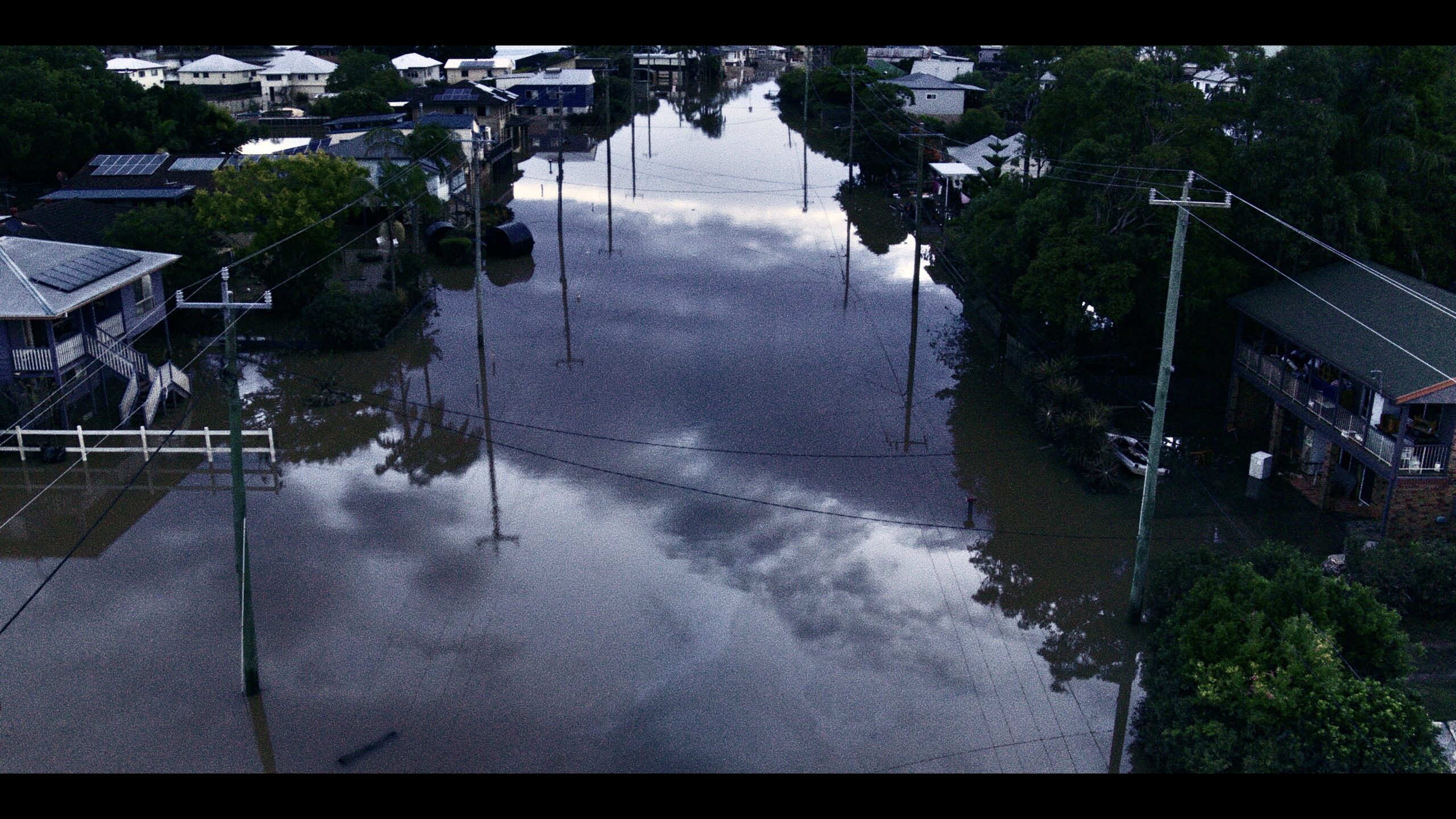
Lismore under water in 2022.
Country as Healer – Even When Country is Hurting
One of the most complex aspects of climate trauma for First Nations people is this: our primary source of regulation is Country. The river, the trees, the wind, the soil, these are not metaphors, they are relational anchors. When Country is devastated, part of our regulatory system is disrupted.
After the floods, people spoke of feeling untethered. The river that once soothed had become terrifying. The landscape that once grounded felt unstable. Healing, therefore, required a dual movement: grieving with Country and reconnecting to Country.
We gathered by the river not to deny what had happened, but to re-enter relationship. We held ceremony, we walked gentle, we listened and we allowed the land to hold us again even as we held her. This is not symbolic work, it is neurobiological. The body regulates in safe relationship.
For our people, Country is that relationship.
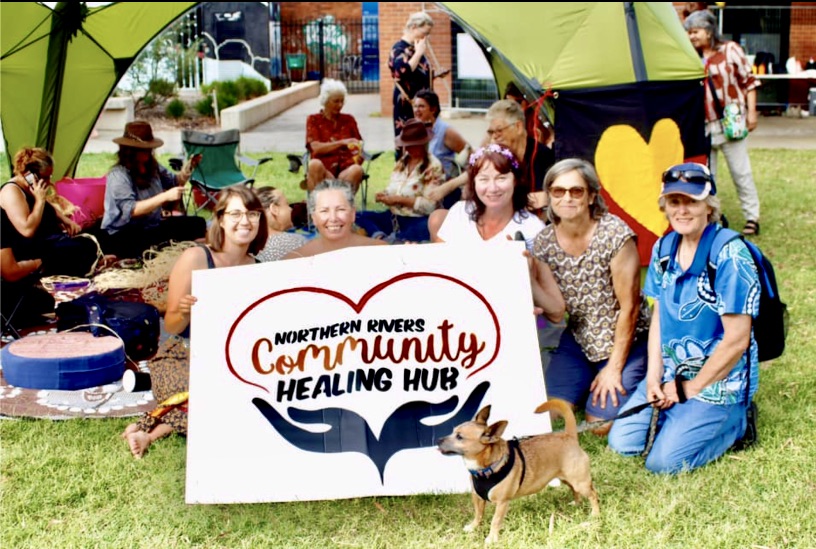
The Northern Rivers Community Healing Hub
Out of the mud and shock, the Northern Rivers Community Healing Hub emerged. It was not designed as a clinical service. It was designed as a relational space. A place where healing could happen in community, not in isolation. A place that was culturally held. It was essentially a de-clinicalised, de-formalised response.
The Hub became a model of what community-led disaster recovery can look like:
- First Nations practitioners guiding the healing frame
- Trauma-aware facilitators
- Creative and embodied practices
- Intergenerational participation
No cost barriers
We saw something profound: when people are offered culturally safe, trauma-integrated spaces, they do not need to be “fixed.” They remember how to connect and connection is what restores capacity.
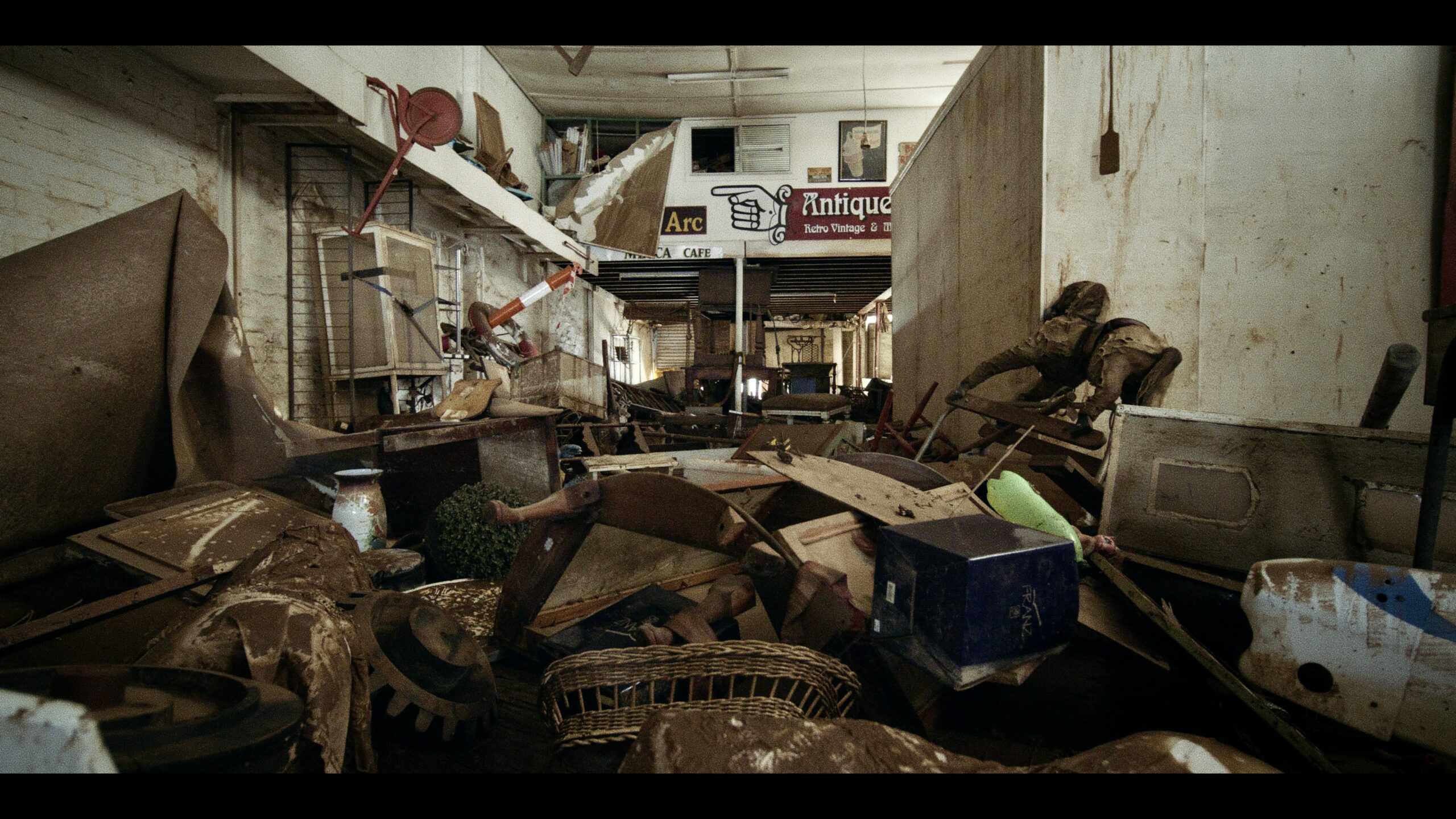
The economic cost of ignoring trauma is enormous.
The Cost of Ignoring Trauma
If trauma is not addressed in disaster response, it does not disappear. It surfaces later, in family violence, substance misuse, community conflict, burnout, withdrawal, and despair. The economic cost of ignoring trauma is enormous.
The social cost is even greater. We cannot continue to treat trauma as an afterthought to infrastructure repair. Roads can be rebuilt in months but nervous systems take longer. If we fail to centre healing, we risk compounding harm.
Climate Adaptation Must Be Culturally Led
As climate disasters intensify across Australia, preparedness cannot be limited to sandbags and evacuation routes. It must include culturally grounded trauma frameworks embedded into national planning.
First Nations knowledge systems understand cycles and they understand relational accountability. They also understand land management, collective governance, and embodied regulation. These are not optional cultural add-ons, they are essential intelligence.
Embedding Indigenous-led healing into disaster preparedness means:
- Permanent, accessible healing spaces in high-risk regions
- First Nations practitioners resourced and recognised as core responders
- Cultural governance embedded in recovery planning
- Trauma education integrated into emergency management
We cannot keep responding reactively, we must prepare relationally.
Lessons for the Nation
The lesson from Lismore is not simply that floods are devastating, it is that communities are resilient when they are supported in culturally meaningful ways. The lesson is that healing is not linear, it moves in cycles much like water.
The lesson is that Country must be part of the response and perhaps most importantly First Nations frameworks are not just relevant for Aboriginal communities they offer guidance for all Australians navigating an uncertain climate future. They focus on:
Relational safety. Community over isolation. Embodied awareness. Cultural continuity. Connection to land.
These are not abstract principles. They are protective factors.
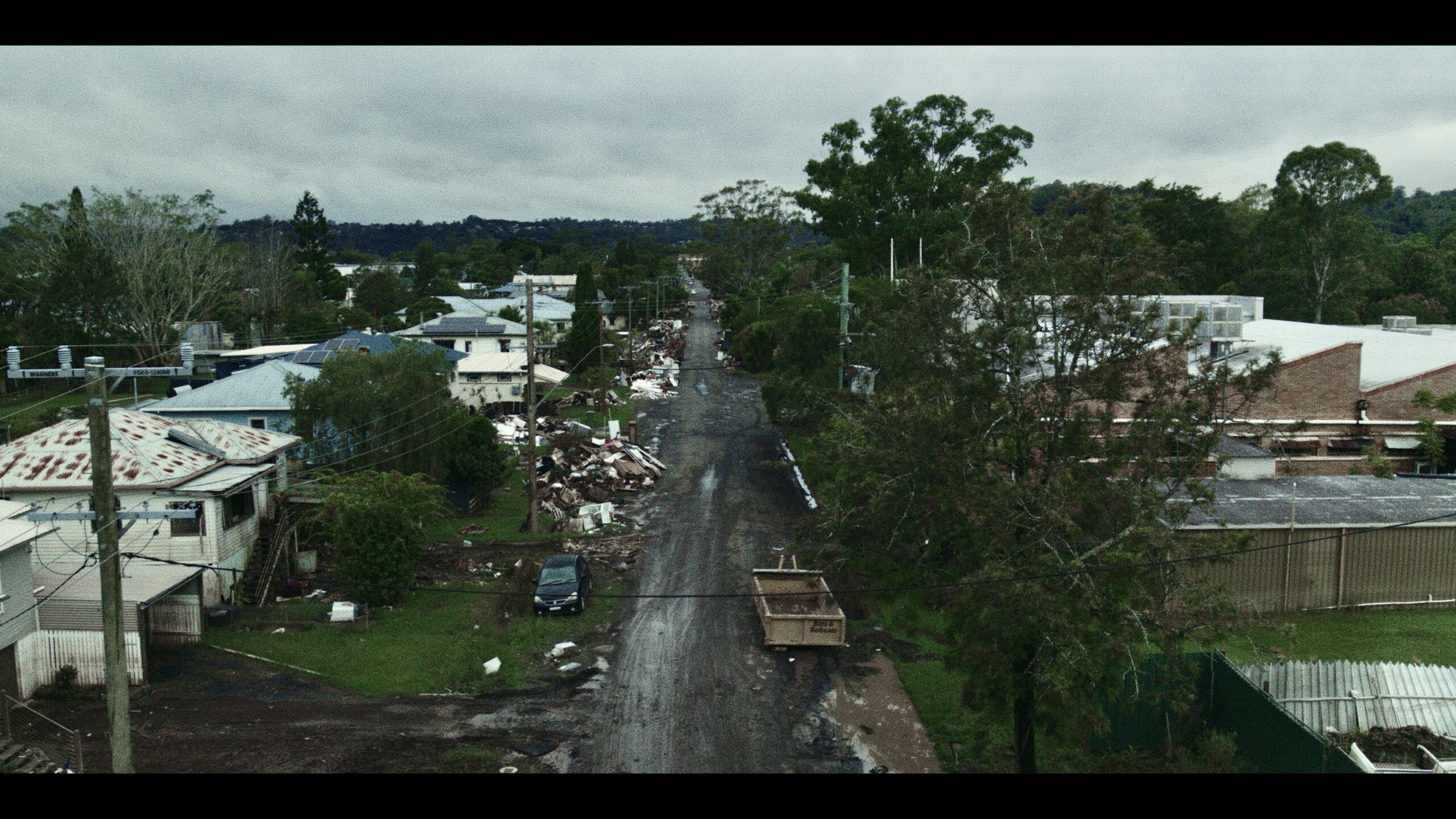
After the waters have subsided, the damage is still there.
A Vision Forward
What I hope people see in Floodland is not only devastation, but possibility. We have the knowledge, we have the frameworks, we have lived experience.
What we need now is structural recognition that Indigenous-led trauma healing must sit at the centre of national disaster preparedness, not consulted at the margins, not invited in after the fact – centred.
When the waters rise again, and they will, we must be ready not only with machinery, but with ceremony, not only with logistics, but with relational care. Healing is infrastructure too.
If we are serious about climate adaptation, we must invest in the nervous systems of our communities, we must invest in Country. We must invest in cultural leadership because when Country is hurting, and people are hurting, the path forward is not control it is connection.
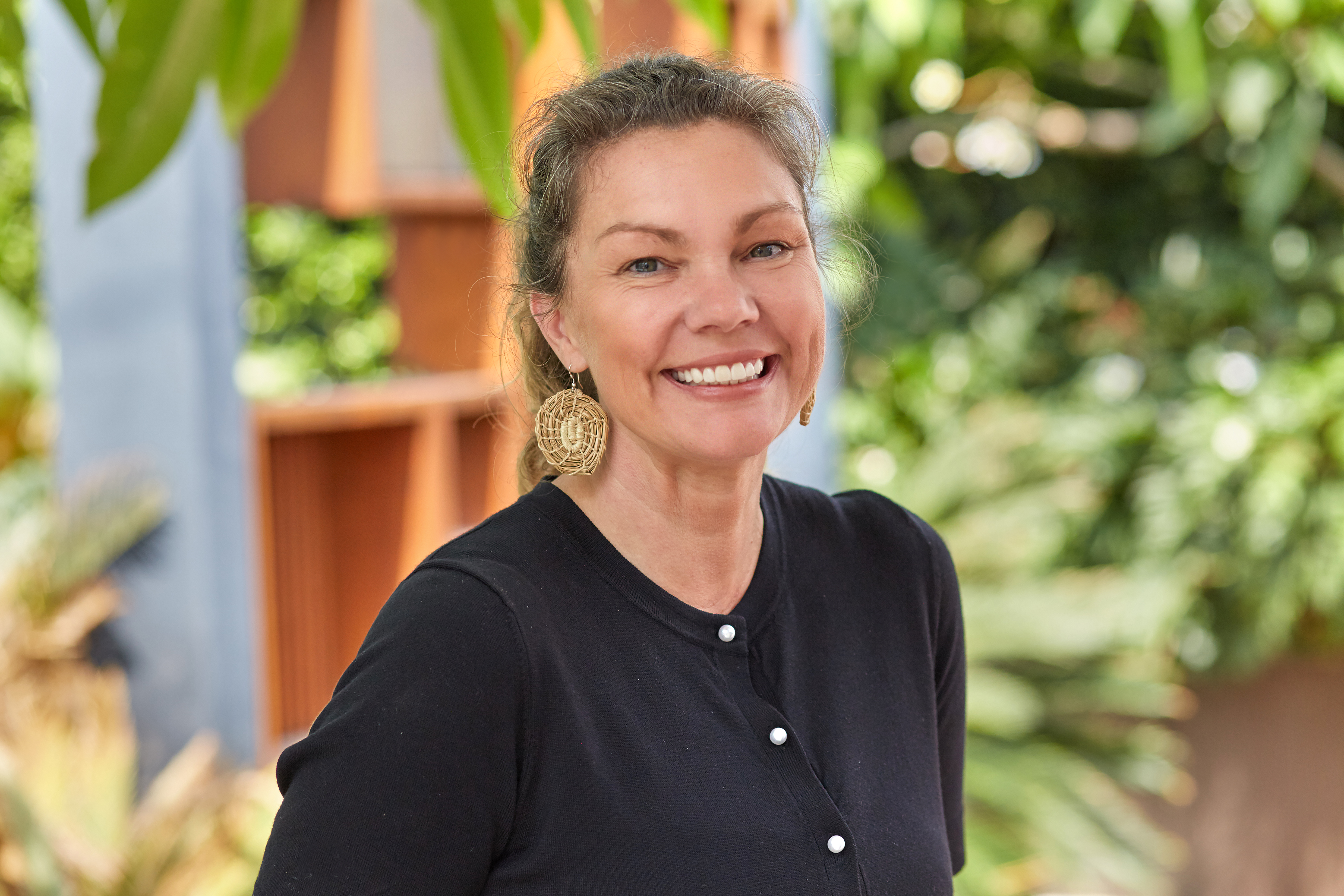
- Associate Professor Dr Carlie Atkinson is CEO of We Al-li, and founder of the Northern Rivers Community Healing Hub.
- Floodlands is released in cinemas on February 26.