My Predictions: 2026 Indigenous Economy
Melbourne Businessman ISAAC HARRISON shares his thoughts on what 2026 might have in store for the Indigenous economy.
Share the Love
This year, the Federal Government’s Indigenous Procurement Policy (IPP) turns 11. Initially set at a three per cent target to spend with majority Indigenous-owned businesses, it is set to increase to four per cent by 2030. This will flow on to State equivalent policies and local councils, not to mention the internal policies of large organisations across Australia, usually outlined in Reconciliation Action Plans (RAPs).
Out of the $12.6 billion spent since 2015 (across 80,000 contracts), just 18 Indigenous businesses or organisations were recipients. Everyone else was fighting over the crumbs.
Prediction: Government departments have matured their procurement strategies. Procurement teams increasingly include Indigenous staff who can support bids and properly vet new suppliers into the supply chain.
Large firms will struggle with the old “right place, right time” approach to winning contracts. Medium-sized Indigenous-owned businesses, however, will be able to compete more effectively on price while delivering a stronger social return.
Traditional Owner groups will also increase their business footprint, looking to break into the Indigenous economy beyond traditional cultural programs.
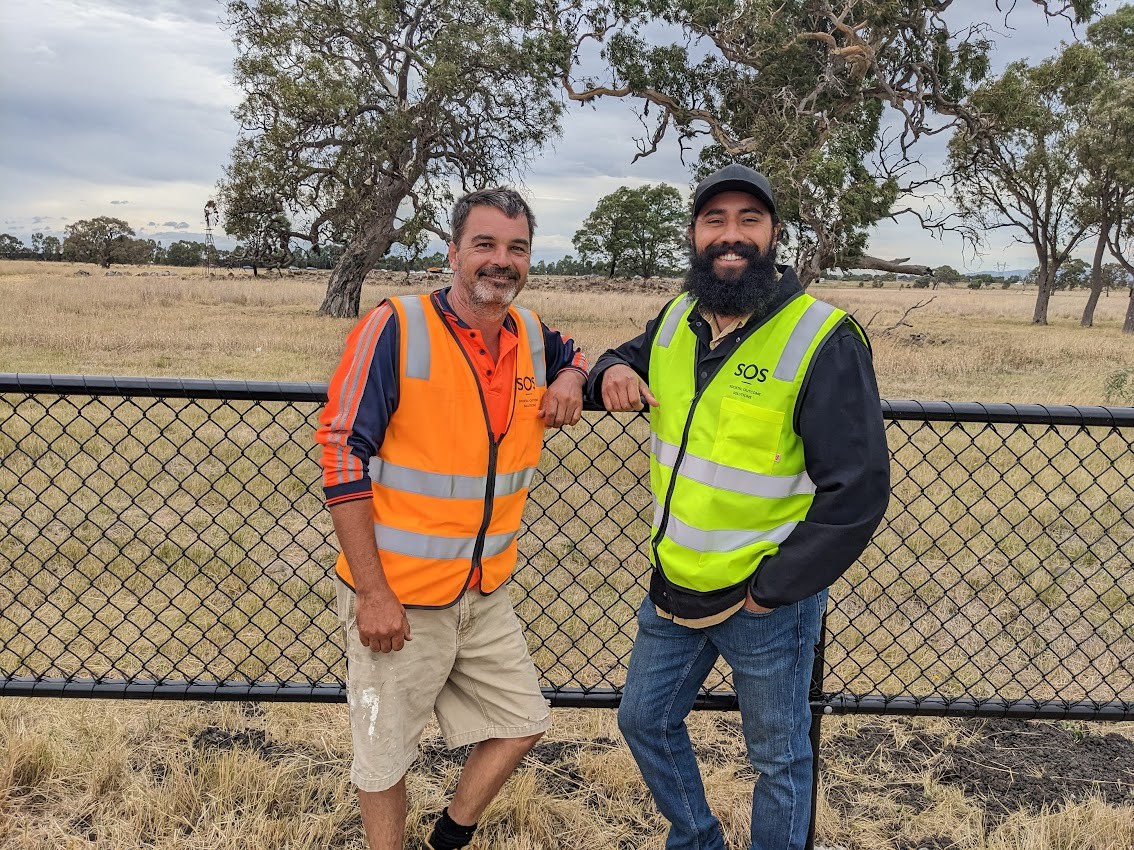
Gary from First Nations Temp Fencing onsite in Epping in Victoria.
Indigenous Economy Becomes Highly Specialised
As noted above, the IPP has been in full swing for over a decade. Organisations such as Supply Nation (Federally), and State chambers of commerce like NSWICC and Kinaway, have created physical and digital meeting places for Indigenous businesses to connect with government and corporates.
The challenge is that too many industries are often placed in the same room. If you’re a corporate whose core business is making planes, you probably don’t need an introduction to a boat repairer or an Indigenous small-goods supplier. It’s well intentioned, and yes, some chocolates or mugs might get sold — but meaningful commercial outcomes are few and far between.
By proxy, this has created a litter of “do-it-all” businesses selling socks, jocks, coffee, stationery, water, tea, RAPs, car leases and furniture — often funnelled through non-Indigenous shareholders.
Prediction: We’ll see the rise of industry-specific Indigenous groups that represent the genuine interests of their sector. For example, Indigenous food growers forming co-ops to negotiate collectively with markets and sending a single delegate who can represent the entire group at conferences and trade events.
There are already peak bodies moving in this direction. I expect their numbers to grow and their focus to become increasingly specialised.
This will create greater efficiency for government and corporates, while cutting through the noise for Indigenous businesses — particularly small and emerging players.
Where Your Mob From?
For some in our community, this has become the million-dollar question. A rewarding identity if played right — the irony being that 50 years ago, being a blackfella was a detractor.
Now we see a cohort of self-proclaimed Aboriginal Alan Bonds gallivanting around the country, setting up dozens of businesses through layers of trusts and questionable non-Indigenous partnerships.
But the question still remains: where are you from?
Did you grow up On Country? Have you done your initiation? Have you received your tribal name? What’s your totem? Can you share some of your language? What are the names of your rivers?
With the exception of those who were stolen, there is a cultural authority that simply can’t be acquired through a DNA test or a genealogy record.
There are levels to this. I’m continually astonished by the confidence of those who stand on stages speaking about Indigenous affairs while ticking none of the above. Respectfully, move aside for mob who have willingly carried the cultural burdens of their forebears — and who are not here for clout or happy snaps.
Prediction: Greater self-regulation from Indigenous leaders in positions of power. Exclusion of the “maybe” Aboriginals, and zero tolerance for those claiming a tribe without the receipts.
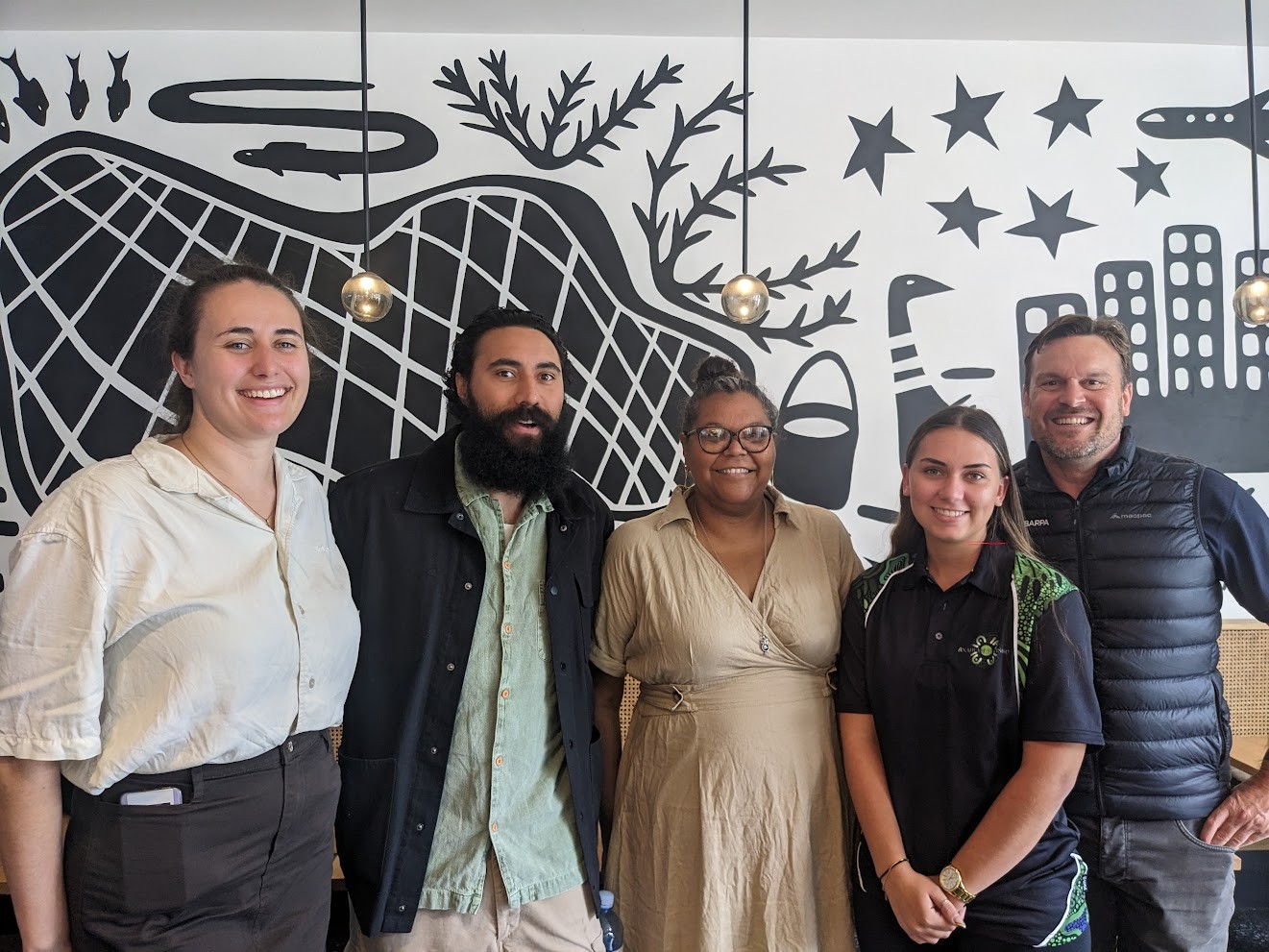
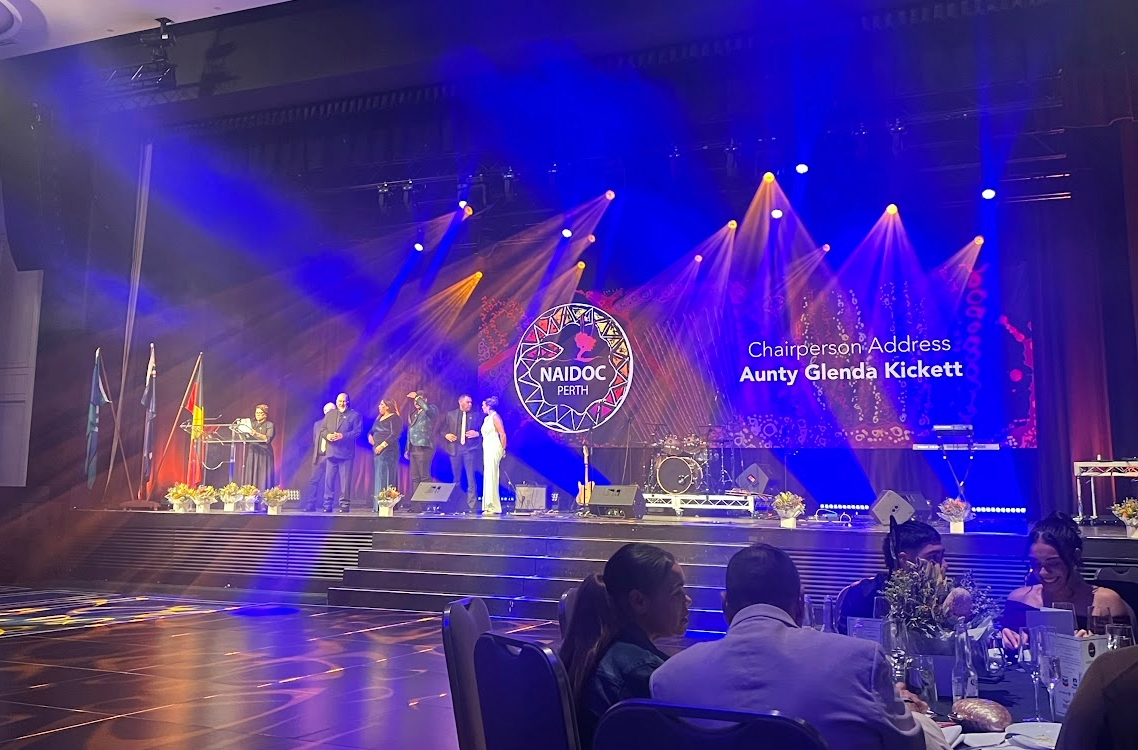
From Left to Right, Kianna Taylor, Myself, Jaynaya Winmar, Jordana Kelly and Jeremy Clarke.
Pass the Baton
Our Boomer and Silent Generation Indigenous leaders walked in a very different world. They fought for the fundamental right of existence for our mob within the Commonwealth system. It was survival.
Today, our mob is focused not just on survival, but on thriving — while staying grounded in Country. Many Gen X and Millennial mob have graduated, tested themselves, and are now ready to cement their place and build legacy.
With the last of the Boomers set to retire by 2031 — reflecting broader Australian population and workforce ageing trends — and the Indigenous Procurement Policy reaching four per cent by then, we are witnessing a symbolic changing of the guard for our people.
Prediction: More board and executive positions will be vacated by our elders and filled by mob who have been raised in activism, educated in the system, and cultivated in the economy. A new generation of leadership.
We’ll also see more Gen Z mob breaking through with bold and innovative approaches to Indigenous business — particularly in fashion, food, and cultural data banking.
International Indigenous Trade
If you’re an Indigenous entrepreneur in Australia, regardless of age, chances are you’re a first-generation business owner. That means learning on the run. My own mother was the first of ten siblings to purchase a house — and that only happened when I was in high school.
We’ve been excluded from the economy, and it shows. Here’s a simple example: the Chamber of Commerce and Industry of Western Australia was founded in 1890. Western Australia became a state in 1901. Care to guess how many Indigenous businesses were registered at that time?
Prediction: We’re living at the peak of the information age. Combined with the work of DFAT and export/import organisations, Indigenous entrepreneurs are now connecting with Indigenous business leaders overseas — particularly in the United States and Canada.
First Nations Americans and Canadians have simply had more time in the game. I expect deeper international collaboration, alongside an inflow of capital, expertise, and trade opportunities into Australia.
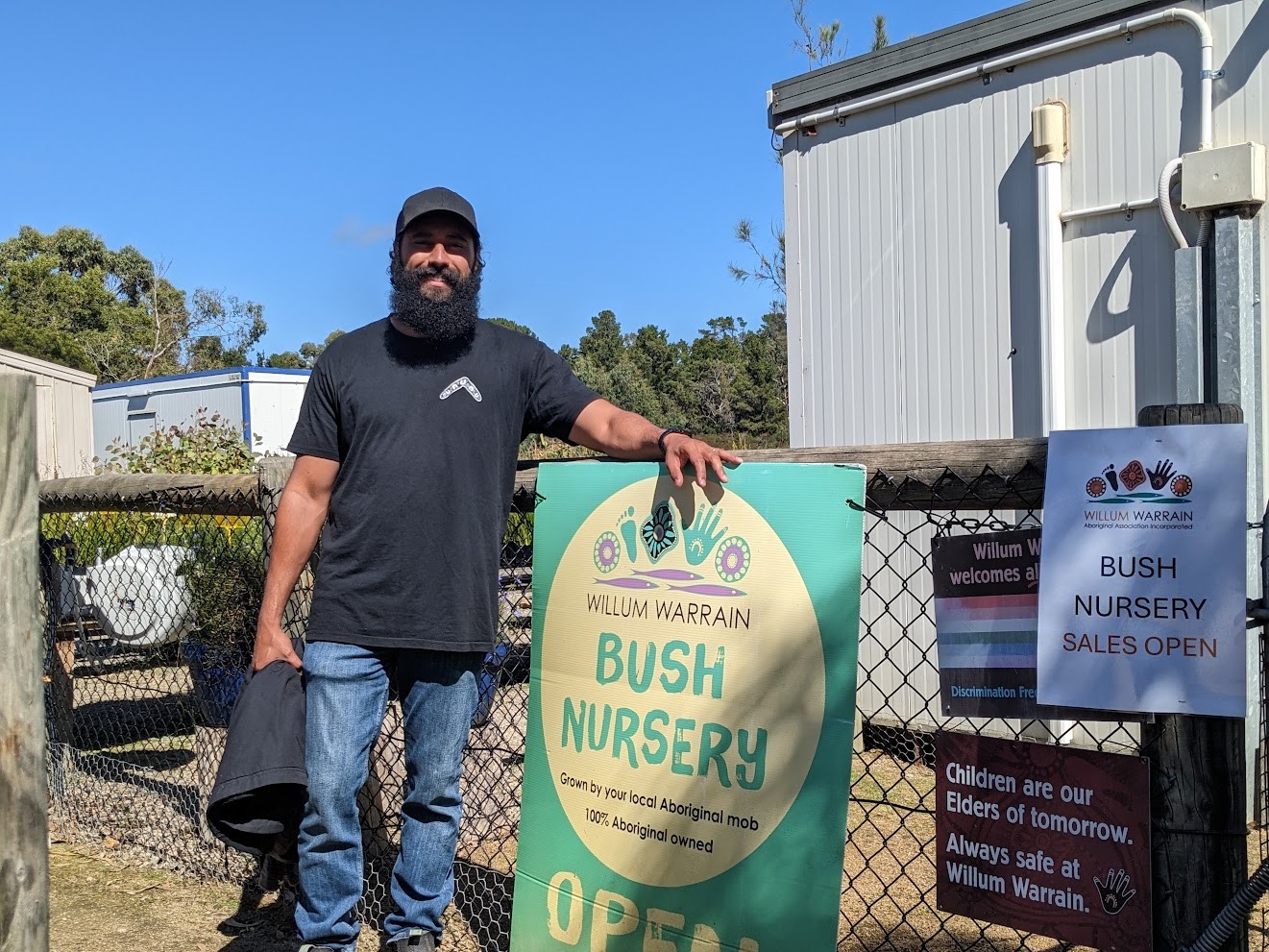
Indigenous Businesses such as Willum Warrain have been successfully servicing his local area.
In Summary
Thanks for reading this far. The Indigenous economy is only going to grow — and it’s no longer operating in isolation. We are now seeing a genuine overlap between Indigenous businesses and Traditional Owner groups, particularly through land access, infrastructure partnerships, and medium- to large-scale clean energy projects. This convergence has significantly accelerated economic opportunity for our people.
The next step, in my view, is the organic mingling of three worlds: the Indigenous business community, Traditional Owner groups, and the Australian mainstream economy. Not forced. Not performative. Just commercial, cultural, and strategic alignment done properly.
The real win will be when Indigenous business is no longer treated as a separate category — but simply as an Australian business. When all Australians are proud to see Indigenous products and services genuinely kicking goals. And when mob back mob, not out of obligation, but because the quality stacks up.
That’s when you know the economy has matured.
If you like what you’ve read and want to connect around advisory or consulting, feel free to reach out to me here on www.inbca.com.au
- Isaac Harrison is a Kabi Kabi/Birri Gubba man based in Melbourne. Father of four, he spends his time playing the Yidaki and coaching at his local soccer club. He is a Director for Towcha Technology, an Indigenous IT company and a co-owner of Jarrah Boy, an Indigenous Beer business that uses First Nation’s ingredients. Isaac is also a sought-after advisor to government and the corporate sector.