Wanted: First Nations firefighters – apply now
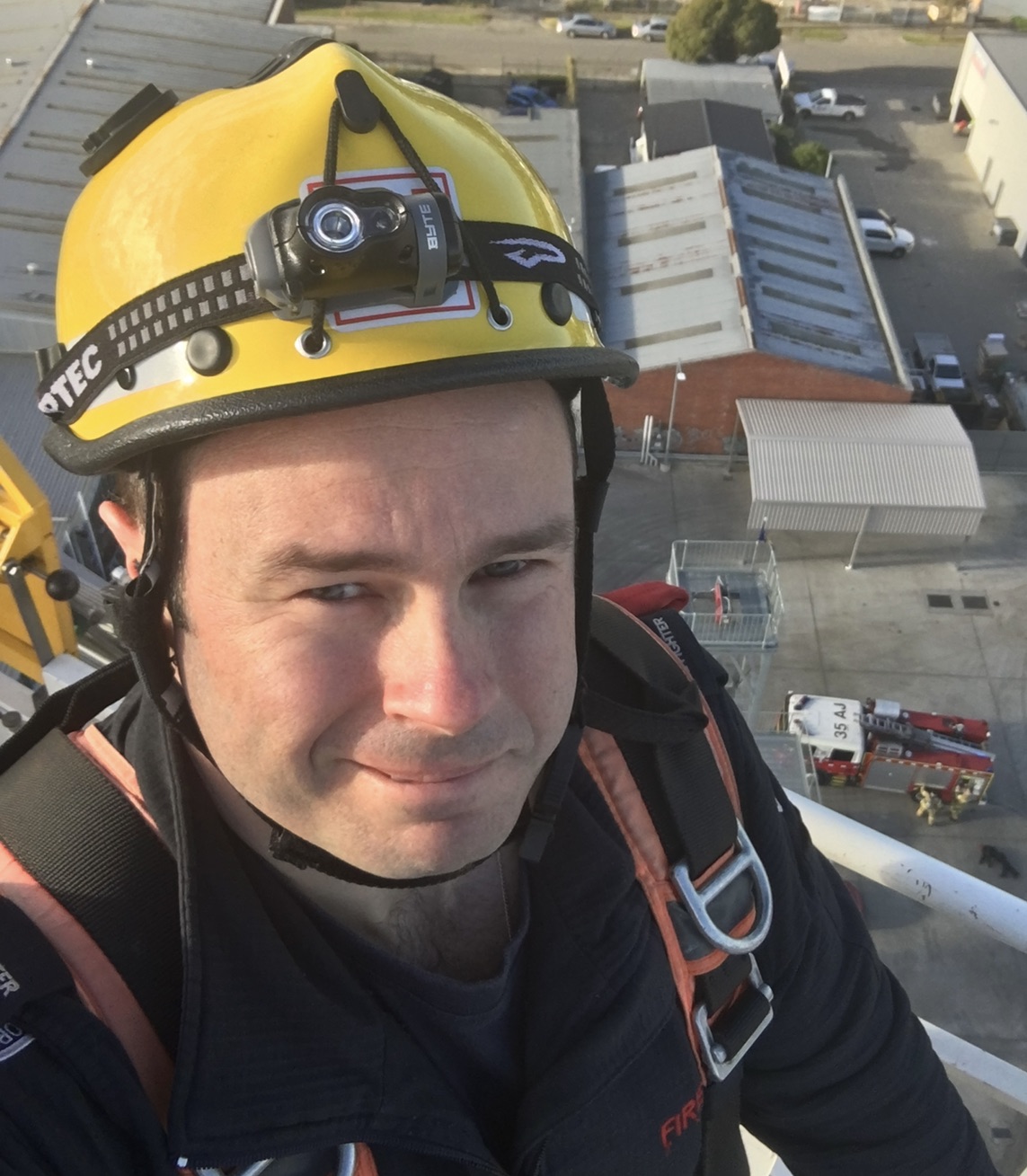
Aaron Felmingham has been a firefighter in Victoria for 13 years – one of just 20 Indigenous firefighters in a force that numbers over 4000.
Now Aaron is hoping to increase that number as Fire Rescue Victoria looks to attract more recruits.
“It’s a great career,” Aaron, who is the Aboriginal Engagement Officer for Fire Rescue Victoria, told First Nations News. “For both men and women. Serving community and representing mob.”
But it’s a tough selection process that can last up to eight months.
“It can seem daunting, but my advice is to keep going through the process,” Aaron, who is stationed at Dandenong, southeast of Melbourne’s CBD, said.
“Black fellas are very resilient, so I think it suits us as a career.
“It’s a tough job and challenging, but so rewarding.”
Starting pay beings at about $70k but you have to go through quite a few hoops before being accepted into the recruit training program.
And it’s not just fighting fires. There’s many aspects to the job. The science of fire, fire prevention in business and in the community and advanced CPR and medical skills that are almost on par with a paramedic.
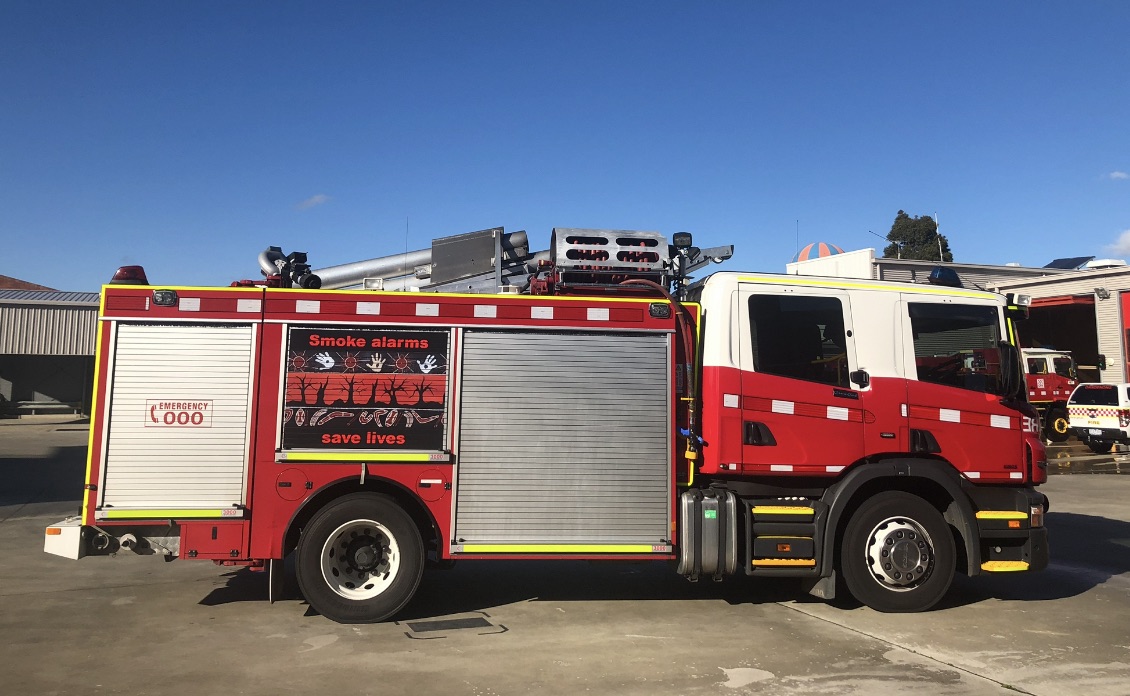
Plus of course, the chance to drive one those big red shiny fire trucks!
So where does one start with the application?
“Online – https://www.frv.vic.gov.au/become-firefighter.”
From that first expression of interest potential recruits are invited to a one-hour aptitude test, a numeracy/literacy test and a mechanical assessment.
Group interviews follow, presentations and one-on-one meetings to make sure the applicant is the right fit and that Fire and Rescue works for the applicant.
“There’s also other activities, like problem solving, and communication which is so important in our job,” Aaron said.
If selected, there’s a personality profile test and a fitness test.
What’s called a beep test. Firefighters have to be really fit for the job and Aaron suggested applicants get themselves to a really high level of fitness before they apply.
Once through the selection interviews and the physical aptitude test, which can involve using ladders and the like in timed activities, and a 70kg dummy to carry, replicating the potential saving of a human life in a fire, medical checks are all good, then an offer of employment would be made.
“It can take eight months minimum, sometimes a year or two,” Aaron said.
“It is a tough selection process, but once you are in, you tend to stay for life.”
And then the 18-week training course begins before a new recruit is assigned to a station – from Mildura to Ballarat to Geelong to the city – 85 stations in all across the State.
Firefighters work shift patterns, several day shifts, then nights, then days off.
And the ‘apprenticeship’ as Aaron calls it, takes four years to fully qualify.
For Aaron, it’s lifelong career, great mateship and a real connectivity with community.
Now assisting with recruitment of First Nations men and women, he is looking forward to welcoming more Indigenous firefighters to the job.