Kumanjayi Little Baby failed by child services
By ANDREW STAFFORD
A young girl abducted from a town camp and allegedly murdered was let down by multiple departmental system failures, an interim report has found.
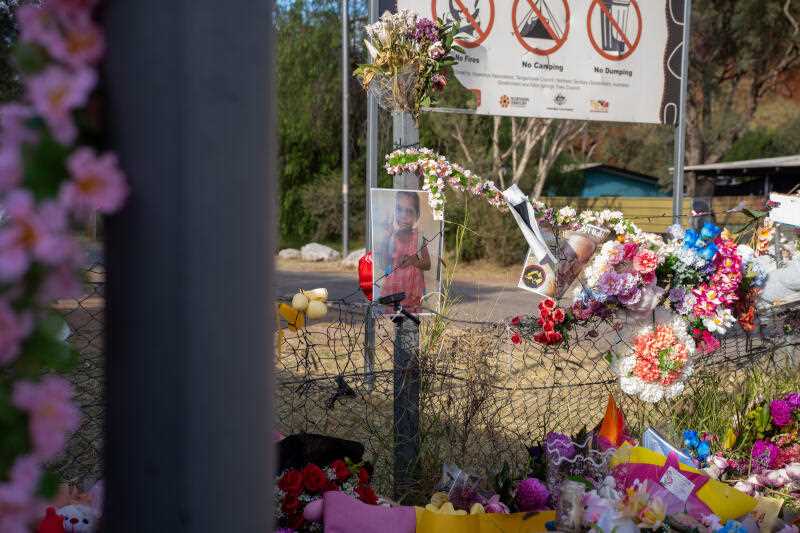
The five-year-old, known for cultural reasons as Kumanjayi Little Baby, was abducted from the Old Timers camp at Alice Springs on April 2025.
Her body was found five days later.
Jefferson Lewis, a man unknown to Kumanjayi Little Baby, was charged with her murder and is awaiting trial.
Risk assessment not undertaken
The case sparked a review of the Northern Territory’s child protection system, led by former NSW police commissioner Karen Webb and public servant Greg Shanahan.
In an interim report published today, they identified “systemic issues which have broader implications for the Department of Children and Family’s operations”.

Jefferson Lewis has been charged with murdering Kumanjayi Little Baby. (AAP)
They said a domestic and family violence risk assessment was not undertaken, despite documents identifying the presence of DFV across each referral received by the department.
“This limited DCF’s ability to identify and assess the cumulative impact of multiple reports, including the frequency, severity and escalation of DFV incidents over time,” the interim report said.
As a result, it said, an ongoing pattern of violence on the children and family environment was not fully recognised, with Kumanjayi Little Baby’s mother left to protect her children while experiencing violence herself.
The department had not adequately identified the risks posed by the perpetrator’s behaviour and the impact of the violence on the children, or responded to the threats with appropriate urgency, it said.
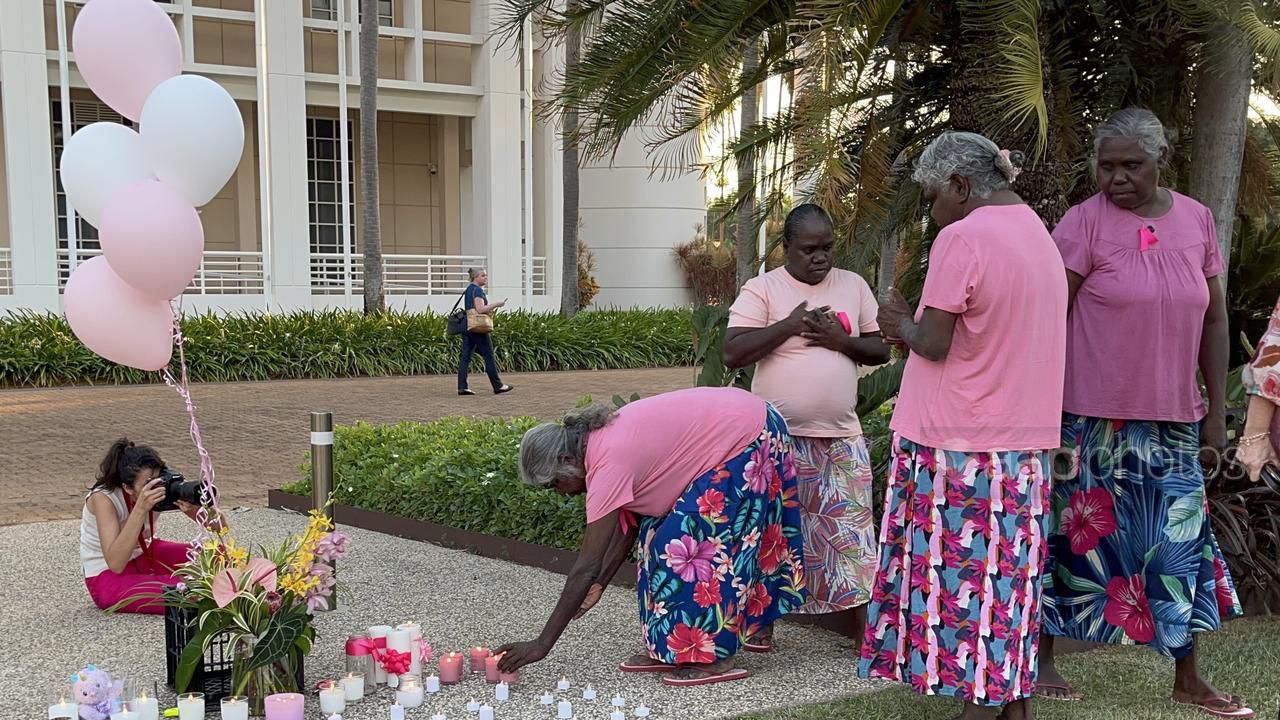
The case has raised concerns about the care and safety of Indigenous children in the NT. (Lloyd Jones/AAP PHOTOS)
Operational delays had been caused by a combination of high workloads and capacity issues, partly caused by retention and recruitment challenges in remote areas.
Delays were also a function of the department’s allocation processes, competing priorities and decision-making.
The review comes as Indigenous bodies and human rights organisations express concerns about the territory’s controversial child protection law, Every Child Matters.
Catherine Liddle, the CEO of the Secretariat of National Aboriginal and Islander Child Care, said the Territory was becoming a pariah state when it comes to the care and safety of Aboriginal children.
An independent review into the death of five-year-old Indigenous girl Kumanjayi Little Baby has found serious failures in the Northern Territory’s response to family violence, and ordered the child protection agency to overhaul how it handles high‑risk cases.”
WHAT DID THE REVIEW FIND?
- The review by former NSW police commissioner Karen Webb found the NT Department of Children and Families (DCF) failed to properly respond to repeated reports of violence involving Kumanjayi’s family
- It identified major shortcomings in risk assessment, safety planning and workforce capacity
WHAT ARE THE KEY RECOMMENDATIONS?
- Set up clear governance and accountability within DCF to drive reforms across workforce, practice, operating model and service delivery
- Develop an urgent workforce strategy to fill critical vacancies, retain experienced staff and ensure enough qualified practitioners are handling statutory child protection work
- Integrate child protection and domestic and family violence risk assessments so cumulative harm, coercive control and the impact of perpetrators on children are properly considered
HOW SHOULD THE SYSTEM CHANGE?
- Strengthen safety planning so it is evidence-based, clearly allocates responsibilities and includes proper monitoring
- Review and redesign service delivery, including the central call centre and regional frontline services
- Undertake a “comprehensive reset” of DCF’s operating model and introduce a new practice framework aligned with the Care and Protection of Children Act 2007
1800 RESPECT (1800 737 732)
Lifeline 13 11 14
Men’s Referral Service 1300 766 491
aap