UN warning on Australia’s treatment of Indigenous children
A United Nations committee has issued an urgent warning about Australia’s treatment of Aboriginal and Torres Strait Islander children in the criminal justice system, prompting calls for immediate, coordinated national action.
Commissioners responsible for First Peoples’ rights, children and racism at the Australian Human Rights Commission are urging all Australian governments to implement reforms addressing systemic discrimination and over-policing.
Key Points
- UN committee raises ‘grave concerns’ over Indigenous children’s treatment in Australia
- Indigenous children are around 65 per cent of detainees but 6.5 per cent of the child population
- Many children are held on remand and face harsh detention conditions
- Australian rights commissioners call for coordinated national justice and anti-racism reforms
- Commission urges raising criminal responsibility age to 14 in all jurisdictions
- National standards for treatment in child justice and detention are recommended
- Governments asked to endorse and implement the National Anti-Racism Framework
UN committee raises systemic concerns
The UN Committee on the Elimination of Racial Discrimination expressed “grave concerns” about the overrepresentation of Indigenous children in the criminal justice system and the use of harsh adult penalties on children as young as 10 years old.
According to the Committee, Indigenous children in Australia make up around 65 per cent of those in detention despite being only 6.5 per cent of the child population.

Most of these children have not been convicted and are being held on remand. The Committee also raised serious concerns about detention conditions for First Nations children, including prolonged solitary confinement, ill-treatment and the use of spit-hoods.
The Australian Human Rights Commission’s Commissioners for First Peoples’ rights, children and racism responded by calling for urgent government action at all levels. They urged a comprehensive response to the Committee’s recommendations and measures that address the drivers of overrepresentation and detention conditions.
Commissioners demand coordinated national response
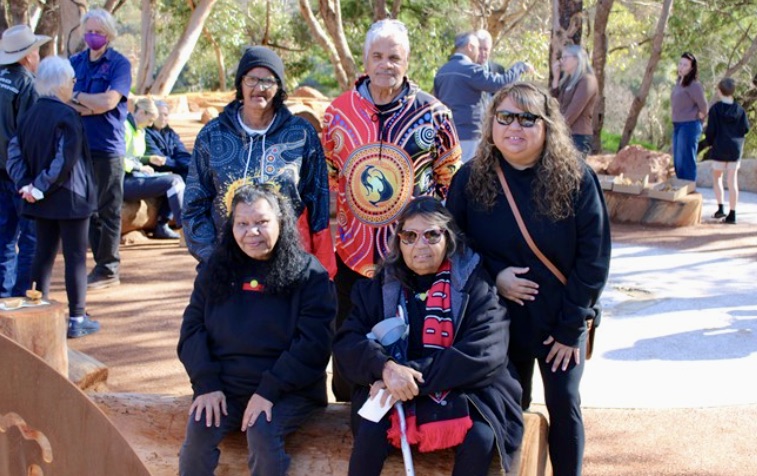
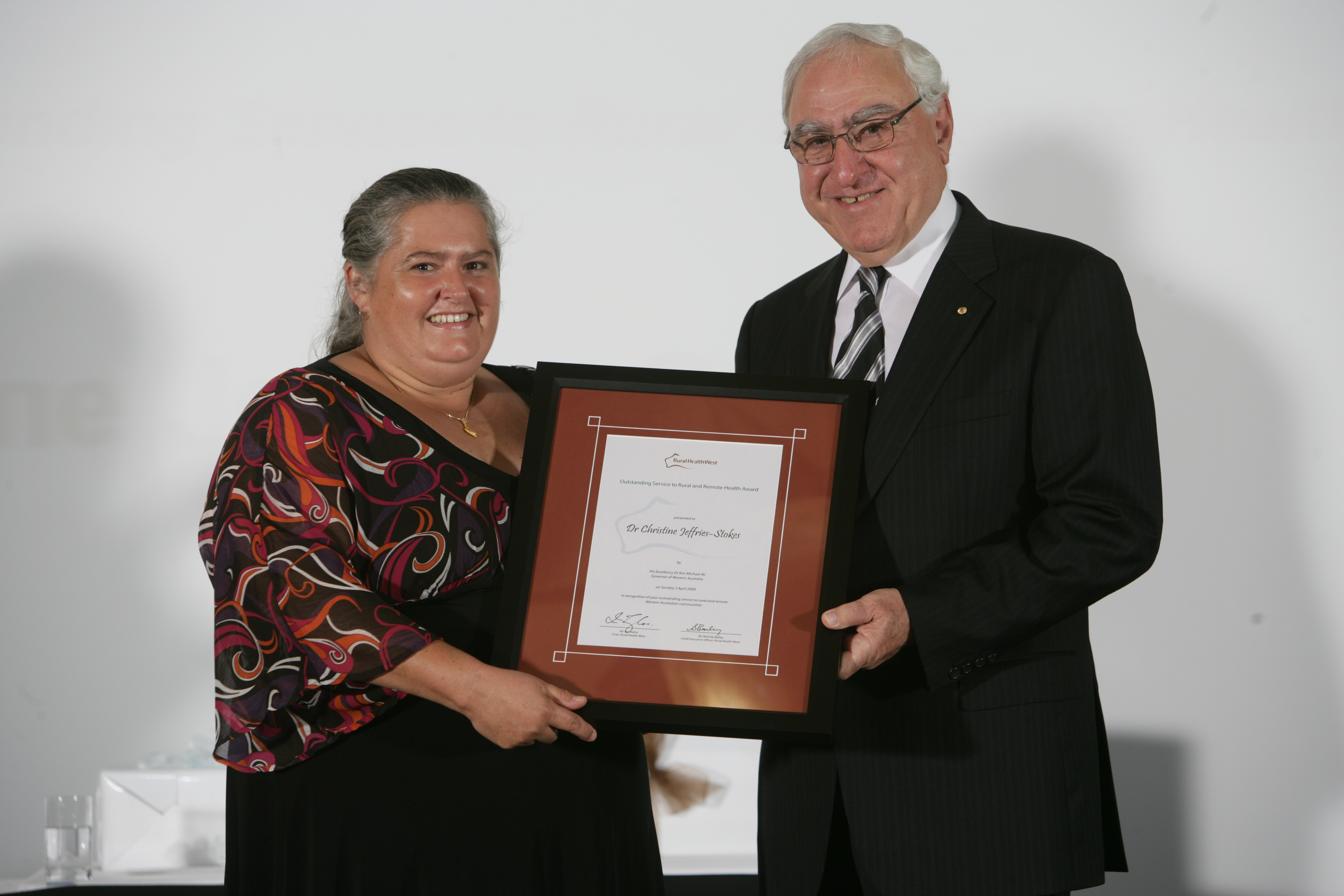
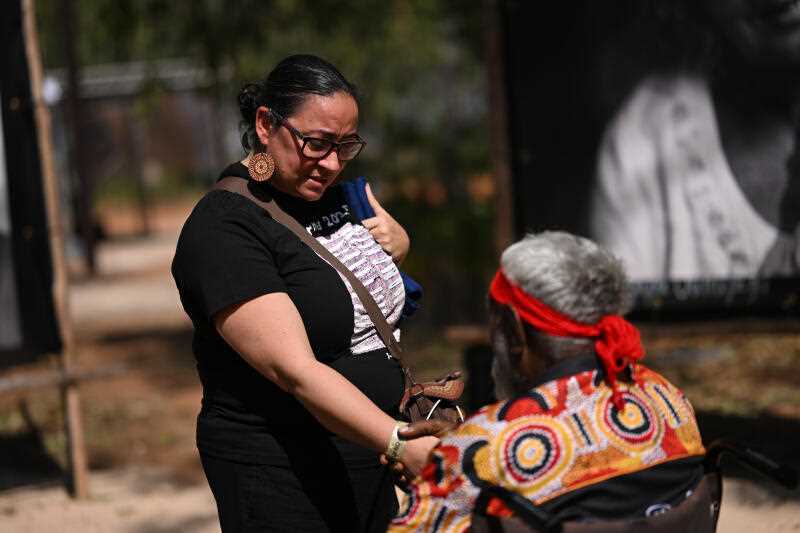
The Aboriginal and Torres Strait Islander Social Justice Commissioner, Katie Kiss, main photo; National Children’s Commissioner, Deb Tsorbaris; and Race Discrimination Commissioner, Giridharan Sivaraman, jointly pressed for a national approach to reform. Their immediate priorities include:
- All Australian governments to urgently respond to the Committee’s recommendations
- Implement the recommendations of the ‘Help Way Earlier’ report
- All Australian governments to endorse the National Anti-Racism Framework and implement the recommendations for the Justice sector
Ms Kiss said the findings align with longstanding concerns about racism in policing and justice systems and called for investments in prevention to stop First Peoples from entering the justice system. She argued that the current approach is harming children and undermining broader goals intended to reduce overrepresentation.
“But right now, our governments are allowing children as young as 10 years old – especially First Nations children – to be subjected to cruel and inhumane treatment in detention,” she said.
“These approaches are condemning First Nations children to a lifetime of abuse, deprivation and disadvantage. It also does nothing to “close the gap” and reduce the rate of Indigenous children in detention by at least 30 per cent by 2031.
Commissioners stressed that governments across Australia need to address the systems driving inequality so First Nations children have a better start in life, with improved health, education and economic opportunities that lead to brighter, not imprisoned, futures. They framed the moment as a test of national commitment to child safety, racial justice and the rule of law.
Pathways for reform identified
The Commission’s Human Rights Assessment 2026 identifies urgent steps the Australian Government could take now to better protect children in the justice system. It recommends:
- Raise the age of criminal responsibility to 14 years in all jurisdictions
- Set national standards for treatment in child justice and detention
- Legislate that children only be detained as a last resort
Commissioners also underscored the ‘Help Way Earlier’ report as a roadmap to transform the child justice system, and called for its recommendations to be implemented without delay.
National Children’s Commissioner Deb Tsorbaris argued that Australia is failing to protect children’s rights and wellbeing and urged investment in supports for children and families that tackle the causes of crime, including poverty, insecure housing, disadvantage, racism and intergenerational trauma.
“Our current approach to detention does not make children safer and contributes to more crime, not less,” she said.
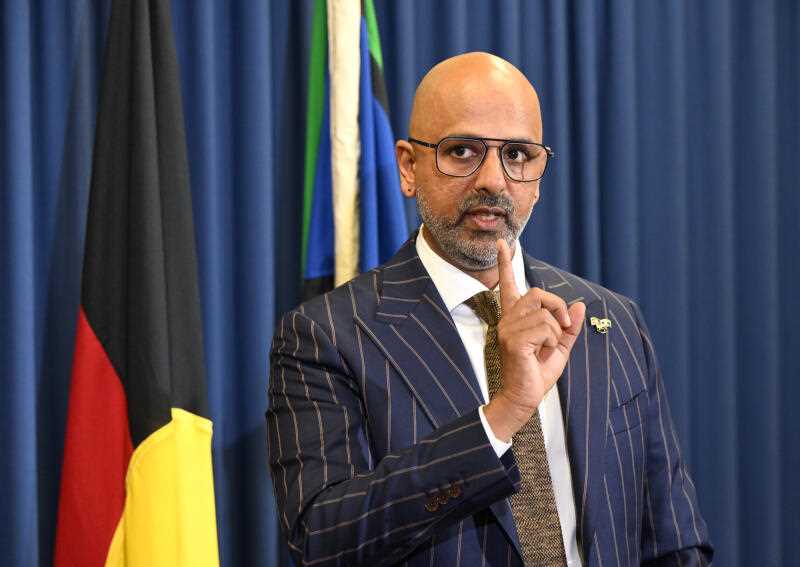
Race Discrimination Commissioner, Giridharan Sivaraman.
Giridharan Sivaraman said the overrepresentation of Aboriginal and Torres Strait Islander children in detention is the result of racial discrimination embedded in policing and justice systems.
He identified justice reform as a critical pillar of the National Anti-Racism Framework, which he noted has not yet been endorsed by any level of government, nor funded for implementation. He argued that discriminatory policies and entrenched inequality are driving current outcomes and called for coordinated national action.
Together, the commissioners framed the UN Committee’s intervention as a clear signal that change is both urgent and achievable. They emphasised that reforms must be comprehensive—coupling legal and policy changes with prevention, early support and a national commitment to anti-racism—if Australia is to reduce detention rates, improve conditions and ensure children’s rights are upheld.