UN Forum Highlights Indigenous Healthcare Issues
The UN Permanent Forum on Indigenous Issues opened in New York with a focus on ensuring Indigenous Peoples’ access to healthcare, including during conflict.
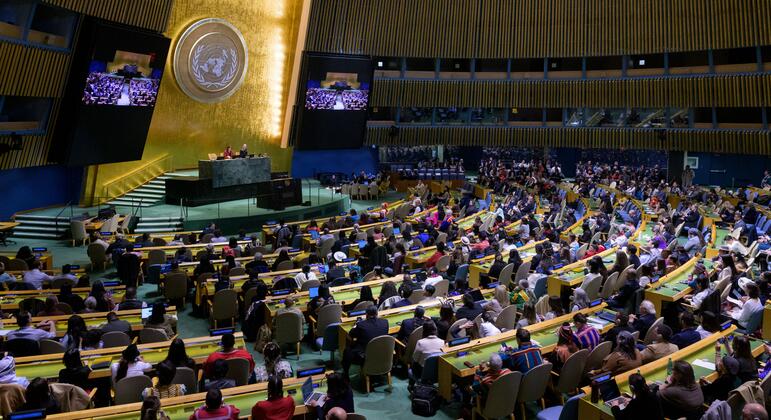
Delegates, many in traditional clothing, convened in the General Assembly Hall as Aluki Kotierk, an Inuit leader from Canada, was re-elected chair of the forum by acclamation. The gathering is the latest session of the UN Permanent Forum on Indigenous Issues (UNPFII), the platform that has placed Indigenous concerns at the centre of international debate for 25 years.
UN Secretary-General António Guterres praised the role of Indigenous Peoples worldwide and underscored that their participation in decision-making is urgently needed. He stressed that Indigenous rights are inseparable from lands, waters, languages, cultures and ecosystems, and that harm in any area reverberates across all.
Key Points
- UN forum opens in New York on Indigenous healthcare during conflict
- More than 1,000 participants expected at the session
- Inuit leader Aluki Kotierk re-elected chair by acclamation
- Indigenous People are 6 per cent of population, 19 per cent in extreme poverty
- Speakers cite shorter life expectancy and alarming suicide rates
- Guterres outlines four action priorities, including participation
“health and well-being is more than just physical and mental health.”
— Aluki Kotierk
Persistent inequities
Speakers highlighted enduring disparities. Although Indigenous People make up six per cent of the global population, they account for nearly 19 per cent of those living in extreme poverty. Communities continue to face discrimination, marginalisation and exclusion, with health inequities cited across regions.
Regardless of geography, Indigenous Peoples experience shorter life expectancy, increased likelihood of chronic illnesses and alarming suicide rates, according to interventions from the floor. Kotierk pointed to environmental degradation as a direct driver of poor outcomes, citing widespread reports of mercury contamination and climate change impacts affecting lands, territories and waters.
Emphasising a holistic view, Kotierk said health and well-being are bound to culture, spirituality, languages, lands and environment. She urged that health systems and understandings be decolonised to recognise this interconnectedness and to incorporate self-determined, holistic approaches defined by Indigenous Peoples themselves.
Conflict compounds vulnerabilities
Mr Guterres warned that conflict sharply escalates risks for Indigenous communities. He outlined how displacement from ancestral lands, loss of livelihoods, food insecurity, destruction of sacred sites and disruption of cultural traditions can all put health at risk.
He further recognised Indigenous Peoples as “bearers of cultures, knowledge, and ways of life that have sustained humanity for thousands of years,” and called for strengthened protection of Indigenous leaders and human rights defenders amid ongoing threats of violence.
Four priorities for action
Mr Guterres outlined four areas where immediate steps are needed to close gaps and safeguard rights:
- Member States should honour their commitments under the UN Declaration on the Rights of Indigenous Peoples
- The UN system and Member States must ensure the full, meaningful and direct participation of Indigenous Peoples at all levels, with adequate and sustained financing
- Societies should take immediate and concrete steps to protect Indigenous Peoples, their leaders and human rights defenders, and address the violence and risks they face
- Ensure Indigenous women and girls can participate meaningfully in decisions that affect their lives
Speakers reiterated that Indigenous Peoples’ insight and leadership are essential to sustainable, community-driven solutions, particularly in health services design and delivery. The forum called for financing mechanisms that enable long-term engagement, not short-term interventions.
Established in July 2000 as a high-level advisory body to the UN Economic and Social Council (ECOSOC), the UN Permanent Forum on Indigenous Issues has a mandate across six areas: economic and social development, culture, the environment, education, health and human rights. Over 25 years, it has served as a place for debate and for elevating Indigenous priorities internationally.
- ACT
- AFL / AFLW
- Arts
- Athletics and Olympics
- Business
- Conditions and Research
- Culture
- Elections
- Employment and Careers
- Enterprise and Startups
- Entertainment
- Events and NAIDOC
- Fashion
- Film and TV
- Food
- Government and Policy
- Grants and Funding
- Health
- Healthcare and Services
- Heritage and History
- International
- Language
- Legal and Justice
- Lifestyle
- Mental Health and Wellbeing
- Music
- National
- News
- NRL and Rugby League
- NSW
- NT
- Olympics
- Opinion
- Other Sports
- People and Profiles
- Podcast
- Politics
- Property and Land
- QLD
- SA
- Sports
- TAS
- Technology
- Travel
- Treaty and Truth-telling
- VIC
- Voice and Referendum
- WA