ACT youth detention rates worst in Australia
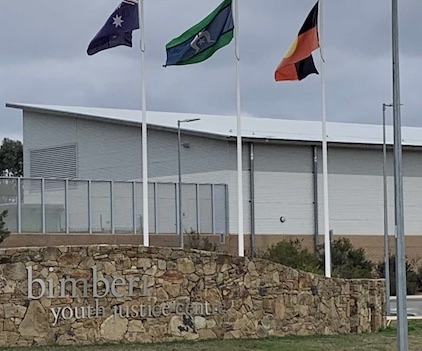
Productivity Commission data shows the ACT’s highest-in-Australia Aboriginal and Torres Strait Islander youth detention rate and significant gaps in health affordability and justice outcomes.
The annual reports, which provide detailed measures of service delivery and justice outcomes, reveal the poor outcomes being delivered by the ACT Government.
The most disturbing set of figures relates to the number of young people aged 10–17 years in detention, by indigenous status. The commission reported the detention rate per 10,000 young people who were Aboriginal and Torres Strait Islander, and the rate for non-indigenous youth.
Key Points
- ACT’s Aboriginal youth detention rate rose to 51.9 per 10,000 in 2024-25
- Non-indigenous youth detention in ACT increased to 3.5 per 10,000 in 2024-25
- About 12 per cent in ACT skipped a GP visit due to cost in 2024-25
- About 10 per cent did not obtain needed prescriptions due to cost
- Around 40 per cent of ACT prison discharges returned within two years
- ACT Magistrates Court guilty outcomes were about 65 per cent in 2023-24
- ACT had the lowest per-person police expenditure in 2024-25
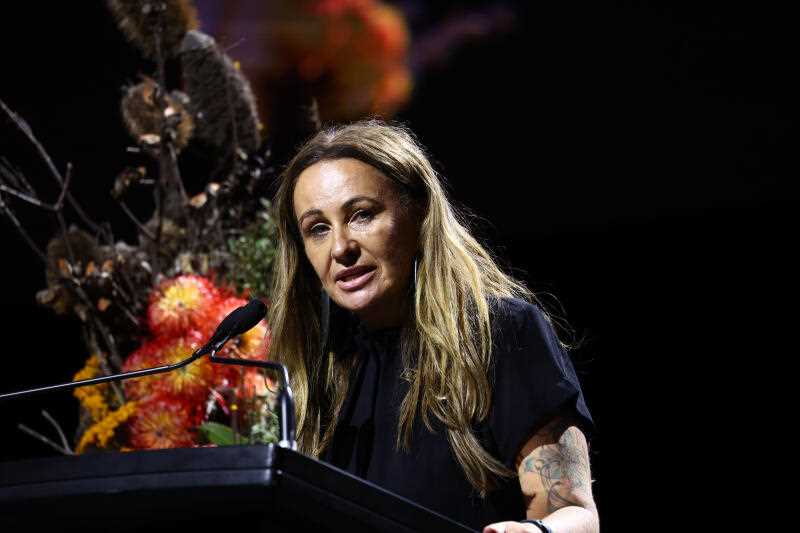
Indigenous advocate Julie Tongs said the over-representation of Aboriginal children in touch with the criminal justice system was “deeply troubling” and that over five years the number of Aboriginal children being incarcerated in Canberra has almost tripled and is now the highest rate in Australia.
The report’s ACT youth detention data show sharp increases over five years, with the jurisdiction reaching the highest Aboriginal and Torres Strait Islander youth detention rate in Australia in 2024–25. The commission’s rates per 10,000 young people are as follows:
- 2020–21: Indigenous rate 18, fourth highest in Australia; non-indigenous rate 1.4
- 2021–22: Indigenous rate 19.7, fourth highest in Australia; non-indigenous rate 1.7
- 2022–23: Indigenous rate 28.6, fourth highest in Australia; non-indigenous rate 2.3
- 2023–24: Indigenous rate 39.2, third highest in Australia; non-indigenous rate 2.7
- 2024–25: Indigenous rate 51.9, the highest rate in Australia; non-indigenous rate 3.5
Justice system indicators
Adult reoffending
About 40 per cent of adults discharged from prison in the ACT in 2022–23 returned to prison or corrective services within two years, according to the report.
Magistrates Court outcomes
Nationally, in 2023–24, 97.2 per cent of Magistrate Court decisions resulted in a guilty outcome for defendants—a figure unchanged over the past four years. In the ACT in 2023–24, only about 65 per cent of Magistrates Court decisions resulted in a guilty outcome—about 30 per cent fewer than the national average.
Imprisonment and community corrections: national context
The commission’s national measures underline ongoing disparities between Aboriginal and Torres Strait Islander and non-indigenous populations:
- Crude imprisonment rate: The national age-standardised imprisonment rate per 100,000 Aboriginal and Torres Strait Islander people in 2024–25 was 2112.6, compared with 146 for the non-indigenous population. Nationally, the rate for Aboriginal and Torres Strait Islander populations is 14.5 times greater than for the non-indigenous population.
- Community corrections rate: The national crude community corrections rate in 2024–25 for the Aboriginal and Torres Strait Islander population was 3440 offenders per 100,000 of the relevant adult population, compared with 281 offenders for the non-indigenous population—12.2 times greater for the Aboriginal and Torres Strait Islander population.
Youth diversion practices
On youth diversion, the ACT had, in 2024–25, by far the lowest rate of diversion of Aboriginal and Torres Strait Islander youth offenders from court to a non-court action, with only 7.6 per cent of Aboriginal youth offenders diverted. For comparison, the diversion rate of indigenous youth in WA, Queensland, NT and Victoria was more than 50 per cent.