Australia’s forgotten super fruit returns
Most Australians have never heard of Burdekin Plum.
Yet researchers have found the little-known native Australian fruit contains almost five times the antioxidant activity of blueberries, one of the world’s most celebrated superfoods.
Now, a limited seasonal harvest is helping reintroduce Burdekin Plum to chefs, food producers and consumers, shining a spotlight on an ancient bush food that has sustained Indigenous Australians for thousands of years.
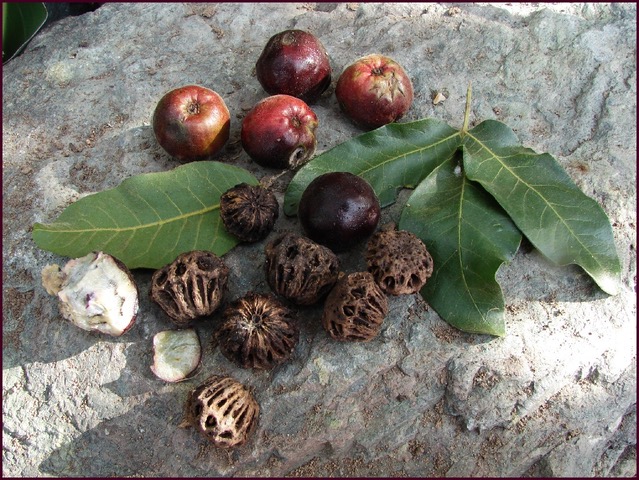
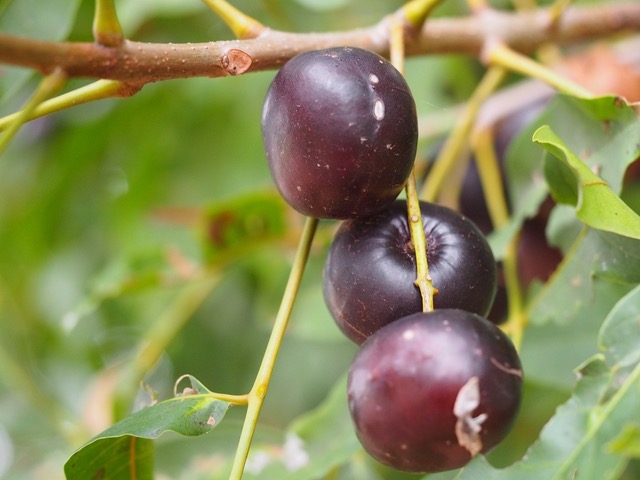
Native to northern Australia, Burdekin Plum (Pleiogynium timoriense) grows naturally across tropical regions of Queensland, the Northern Territory and Western Australia. Despite its rich history, remarkable nutritional profile and distinctive sweet-tart flavour, it remains largely absent from mainstream Australian diets.
Fast Facts
• Native to northern Australia
• Scientific name: Pleiogynium timoriense
• Traditionally consumed by Indigenous Australians for thousands of years
• Research has found antioxidant activity almost five times higher than blueberries
• Rich in naturally occurring anthocyanins and polyphenols
• Source of dietary fibre and vitamin C
• Available only in limited seasonal quantities
Terri-Anne “Tezzi” Daniel, founder and CEO of Cooee Native Superfoods, believes Burdekin Plum is one of Australia’s most overlooked food treasures.
“Australians know blueberries, raspberries and imported superfoods from around the world, yet many have never heard of Burdekin Plum despite it growing here and being enjoyed for thousands of years,” Ms Daniel said.
“It’s one of the most exciting native ingredients we work with. The flavour is incredible, the colour is extraordinary and the science is helping shine a light on what Indigenous communities have known for generations, that this is a remarkable fruit.”
Australia is home to more than 6,000 edible native plant species, yet only a small fraction have entered mainstream food culture. Daniel said native ingredients like Burdekin Plum offered an opportunity to celebrate uniquely Australian flavours while supporting Indigenous knowledge, harvesting practices and supply chains.
Interest growing
“If we want a truly Australian food culture, we need to embrace more of the ingredients that have been growing here for thousands of years,” she said.
“Every native ingredient carries a story. They connect us to Country, culture and some of the oldest food traditions on Earth.”
Interest in Burdekin Plum is also growing among chefs seeking distinctive local ingredients that offer both flavour and provenance.
“Burdekin Plum is one of those ingredients that immediately captures people’s attention. The colour is extraordinary, the flavour has a beautiful sweet-tart complexity, and it allows us to create dishes that are distinctly Australian,” Ms Daniel said.
“Chefs are always looking for ingredients that tell a story. Burdekin Plum connects us to thousands of years of Indigenous knowledge while delivering something genuinely unique on the plate.”
“When people learn Burdekin Plum contains almost five times the antioxidant activity of blueberries, they’re usually amazed they’ve never heard of it.
“These fruits have been part of Australia’s food story for thousands of years. The more Australians discover native ingredients like Burdekin Plum, the more we begin to understand the richness of the food culture that’s always existed here.”
The current seasonal release has also been supported by naturalist, adventurer and Venture North Safaris Head Tour Guide David McMahon, who has spent years exploring and documenting native foods throughout northern Australia.
A great source of dietary fibre
Filmed beneath a towering Burdekin Plum tree on Kuku Yalanji Country in Far North Queensland, McMahon said the fruit deserved far greater recognition among Australians.
“These beautiful bush fruits should be part of our cultural heritage of this country. We should be eating far more of them,” McMahon said.
Recent scientific research has identified Burdekin Plum as possessing exceptionally high antioxidant activity, driven by naturally occurring anthocyanins and polyphenols. The fruit is also a source of dietary fibre and vitamin C.
Available in limited quantities as a freeze-dried powder, Burdekin Plum can be used in desserts, pastries, sauces, glazes, cocktails, smoothies and contemporary native-inspired dishes.
With supply dependent on seasonal conditions and wild harvest availability, the current release is expected to be extremely limited.