Thorpe exits heated estimates after genocide claim
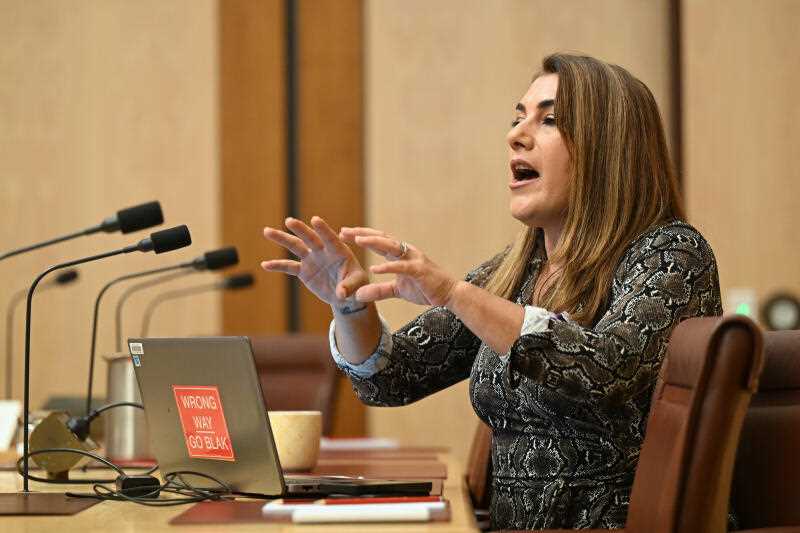
Independent Senator Lidia Thorpe stormed out of a Senate Estimates hearing in Canberra on Tuesday after accusing the Albanese government of ‘genocide’ on National Sorry Day.
The clash involved senior officials and Indigenous Australians Minister Malarndirri McCarthy and centred on child removals and the failed 2023 Voice to Parliament referendum.
Key Points
- Lidia Thorpe accused the Albanese government of ‘genocide’ at estimates
- Exchange occurred on National Sorry Day, which is May 26
- Thorpe cited 24,000 Indigenous children in out-of-home care
- NIAA chief Julie-Ann Guivarra said states hold child protection powers
- Thorpe attacked the failed 2023 Voice referendum and $411 million cost
- Malarndirri McCarthy defended holding the vote and thanked Yes voters
- Thorpe left the hearing after a heated exchange, saying ‘Have a nice day’
Senator Thorpe referred to the Bringing Them Home report, the 1997 inquiry that found the removal of Indigenous children breached human rights and could amount to genocide under international law.
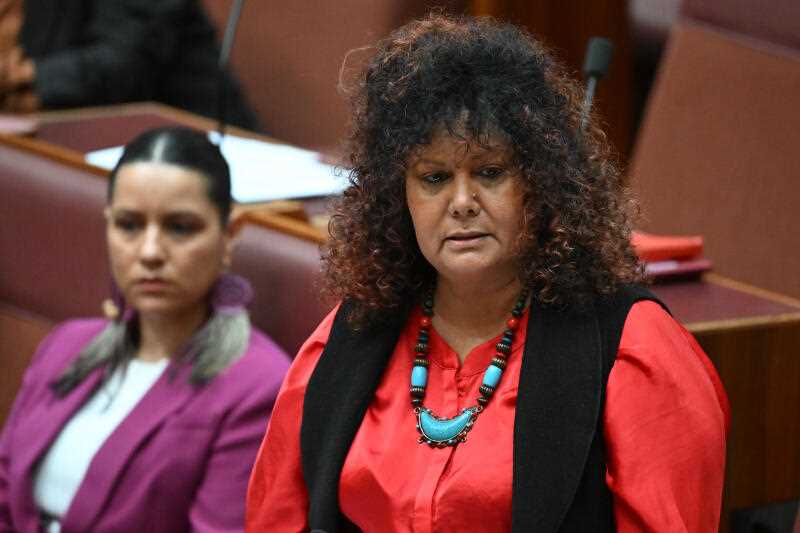
Indigenous Australians Minister Malarndirri McCarthy.
Thorpe challenged officials during the hearing, saying it was unacceptable that large numbers of Indigenous children remain in out-of-home care. She demanded immediate action rather than further discussion, arguing that words from the government and its agencies had not translated into change for First Nations families.
“That is completely inaccurate and very disrespectful,”
— Malarndirri McCarthy, Indigenous Australians Minister
Senator McCarthy called her comments “completely inaccurate and very disrespectful” after Senator Thorpe accused her of “doing the job of the coloniser” during a heated escalation. The minister told the committee she expected dignity and respect in its proceedings.
Senator Thorpe pressed officials on the current scale of child removals, asking why there are 24,000 Aboriginal and Torres Strait Islander children in out-of-home care. She argued that the issue persists despite the historical lessons of the Bringing Them Home report and the symbolism of National Sorry Day.
National Indigenous Australians Agency chief executive Julie-Ann Guivarra told the hearing that child protection is “largely a jurisdictional responsibility”, pointing to state and territory governments.
She said the Commonwealth works with the Department of Social Services and with states and territories through the “Safe and Supported” framework and the Closing the Gap initiative, but emphasised the final say on child protection rests with the states and territories.
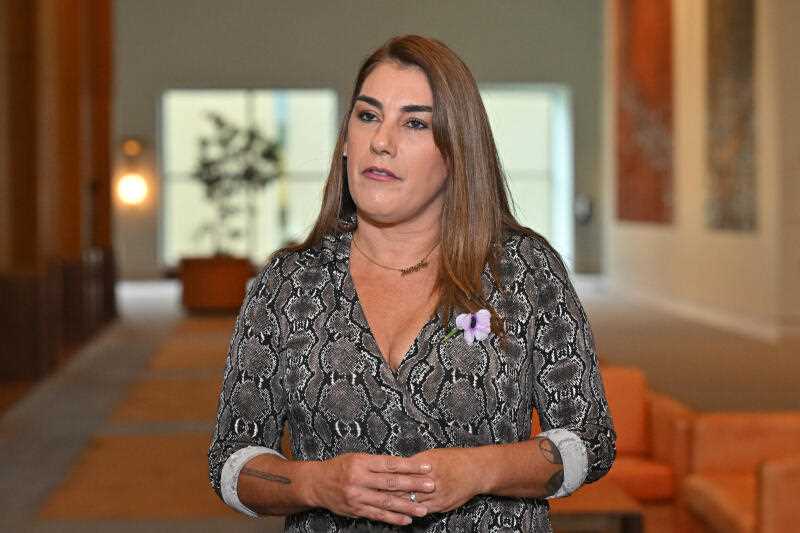
Senator Thorpe cited the cost of the referendum at $411 million.
Senator Thorpe rejected that response, accusing the government of “handballing” responsibility to other jurisdictions and avoiding accountability. She said communities have consistently raised concerns about removals and deaths in custody without seeing results, and that those pleas have not led to meaningful change.
She said she did not want to return to estimates next year asking the same questions. She argued that her communities want practical action, not additional statements, frameworks, or processes from Canberra.
Voice referendum flashpoint
The hearing also turned to the failed 2023 Voice to Parliament referendum, which Senator Thorpe has long opposed. She called the referendum expensive and damaging, saying it had set back progress and emboldened racism. The referendum was easily defeated, with just under 40 per cent of voters backing the proposal and 60 per cent voting against it. None of the States or Territories except the ACT supported the proposal by a majority.
Senator Thorpe cited the cost of the referendum at $411 million and questioned what it achieved. She argued that truth-telling about Australian history should have come first and said it was a mistake to ask Australians to endorse the change without that step. She said asking opponents to approve any form of First Nations voice would predictably fail and carry harmful repercussions.
Senator McCarthy defended the government’s decision to hold the vote. She thanked those who supported the proposal and said the referendum responded to First Nations people who gathered at Uluru and wanted the question put to Australians. She added that losing a referendum is part of the democratic process.
In response to the critique, Senator McCarthy noted that Senator Thorpe campaigned against the referendum.
The exchange intensified when Senator Thorpe told Senator McCarthy she was “doing the job of the coloniser.” Senator McCarthy rejected the characterisation and pressed for respectful conduct in the committee. After further interjections, Thorpe left the hearing, calling out as she departed.