‘This is serious’: respiratory disease outbreak spreads
By LLOYD JONES
An outbreak of a potentially deadly respiratory disease has spread from the Northern Territory into three adjacent States, with a dip in vaccinations blamed.
The National Notifiable Disease Surveillance System reports 133 notifications of the disease in the Northern Territory since the outbreak began in March.
It has since spread to Western Australia where 79 cases have been reported plus another six in South Australia and up to five in Queensland.
NT health authorities are also awaiting results from an autopsy report about a possible diphtheria-related death in a remote territory community.

Health Minister Mark Butler described the diphtheria outbreak across multiple states as “serious”. (Mick Tsikas/AAP PHOTOS)
Federal Health Minister Mark Butler described it as the biggest diphtheria outbreak in Australia for decades.
“There’s no question this is serious”, he told ABC Radio on Tuesday.
Almost all the cases involved Indigenous Australians so health authorities were working with Aboriginal agencies to try to curb the outbreak, including provision of vaccines, the minister said.
Diphtheria can spread person to person
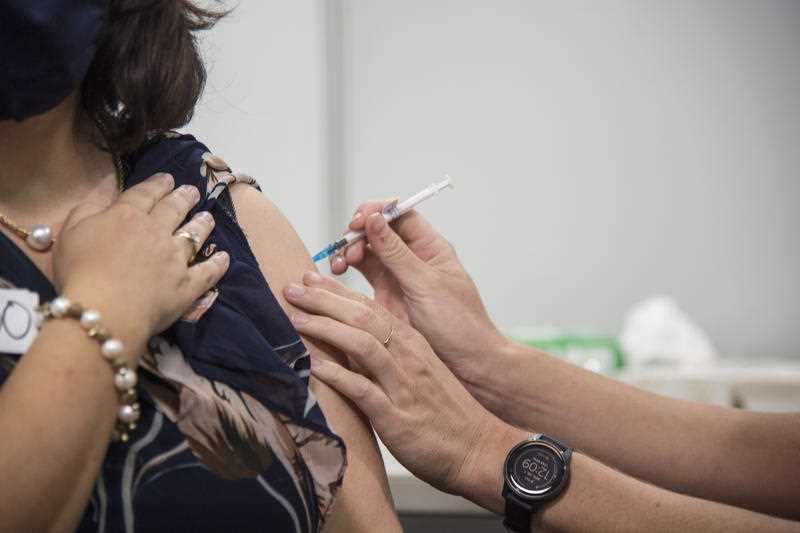
NT Health said it was working with community organisations to undertake a territory-wide vaccination program, focusing on vulnerable people and at-risk areas.
“Vaccination remains the most important measure for preventing, protecting and reducing transmission,” it said in a statement.
Diphtheria can easily spread person to person through inhalation of respiratory droplets when an infected person coughs or sneezes.
Respiratory diphtheria symptoms can include a sore throat, mild fever, loss of appetite and in severe cases, trouble breathing, in some cases leading to death if untreated.
Diphtheria was a feared childhood disease and common cause of death in children until the 1940s, when vaccines were rolled out.
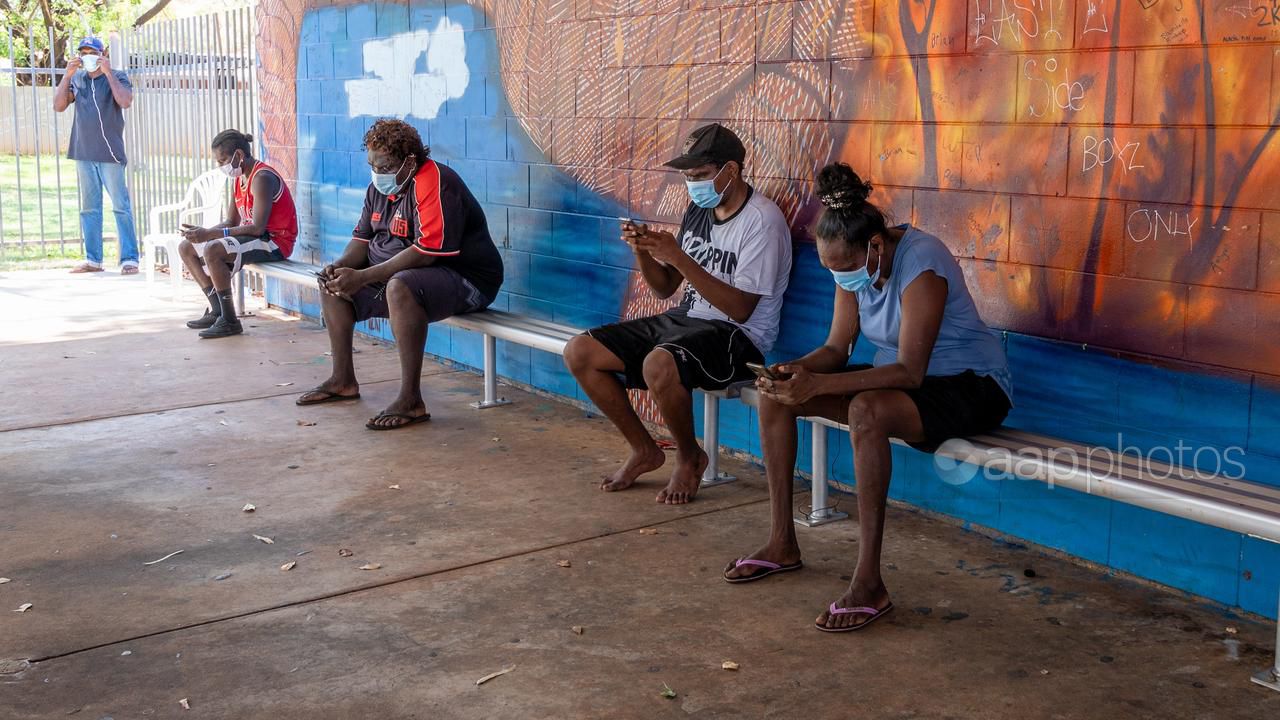
A territory-wide diptheria vaccination program is underway for vulnerable people and at-risk areas. (Katherine Morrow/AAP PHOTOS)
Milena Dalton, an immunisation expert with the Burnet Institute in Melbourne, said the outbreak highlighted how quickly vaccine-preventable diseases could re-emerge when there were immunity gaps.
“Diphtheria remains rare in Australia because vaccination works,” Dr Dalton said in a statement.
“Vaccination and boosters remain our best protection against severe disease, hospitalisation and death, and they are especially urgent in communities where people face barriers to healthcare.”
Vaccination push
John Boffa of the Central Australian Aboriginal Congress health service said he hoped infection rates would drop as more people were vaccinated in communities where there had been “very good vaccine acceptance”.
The less harmful strain of the disease is cutaneous diphtheria, spread by direct skin contact on lesions of infected people, with symptoms including sores or ulcers and slow-healing wounds.
Vaccination is free under a national program for children aged six weeks to two months, four months, six months, 18 months, four years and 12 years.
Pregnant women from 20 weeks of pregnancy are also eligible and adults are encouraged to get a booster vaccine every 10 years.
DIPHTHERIA OUTBREAK IN THREE STATES AND ONE TERRITORY:
* The National Notifiable Disease Surveillance System reports 133 notifications of the disease in the Northern Territory since the outbreak began in March
* It spread to Western Australia, where 79 cases have been reported plus another six in South Australia and up to five in Queensland
* NT health authorities are awaiting results from an autopsy about a possible diphtheria-related death in a remote territory community
* Federal Health Minister Mark Butler has described it as the biggest diphtheria outbreak in Australia for decades
* The outbreak has been put down to a dip in vaccination rates, with vaccines making the disease preventable
* Health authorities are working with Aboriginal leaders and agencies to try to curb the outbreak, which has largely impacted Indigenous communities
* Diphtheria was once a leading cause of childhood death globally, according to the National Centre for Immunisation Research and Surveillance Australia
* Between 1926 and 1935 it killed more than 4000 Australians
* Diphtheria was almost eradicated by the 1950s after vaccination started in Australia in the 1930s
* It is an infection caused by a toxin from a bacteria
* It requires prompt antibiotic treatment to clear the organism and limit transmission
* Diphtheria easily spreads person to person through inhalation of respiratory droplets when an infected person coughs or sneezes
* Respiratory diphtheria symptoms can include a sore throat, mild fever, loss of appetite and in severe cases, trouble breathing, in some cases leading to death if untreated
* The less harmful strain of the disease is cutaneous diphtheria, spread by direct skin contact on lesions of infected people, with symptoms including sores or ulcers and slow-healing wounds
* Vaccination is free under a national program for children aged six weeks to two months, four months, six months, 18 months, four years and 12 years
aap