AFL ‘out of touch’ over Indigenous participation
A Swinburne University of Technology expert says the AFL is out of touch with the communities and pathways it is seeking to rebuild.
With concern mounting across the AFL community, Swinburne’s Pro Vice-Chancellor Indigenous Engagement, Professor John Evans, says the AFL’s recently announced $300,000 allocation to increase Indigenous participation reflects a disconnect between the scale of the problem and the league’s strategy.
He has argued that attrition at the elite level mirrors broader issues in talent pathways, cultural safety and long-term support.
Key Points
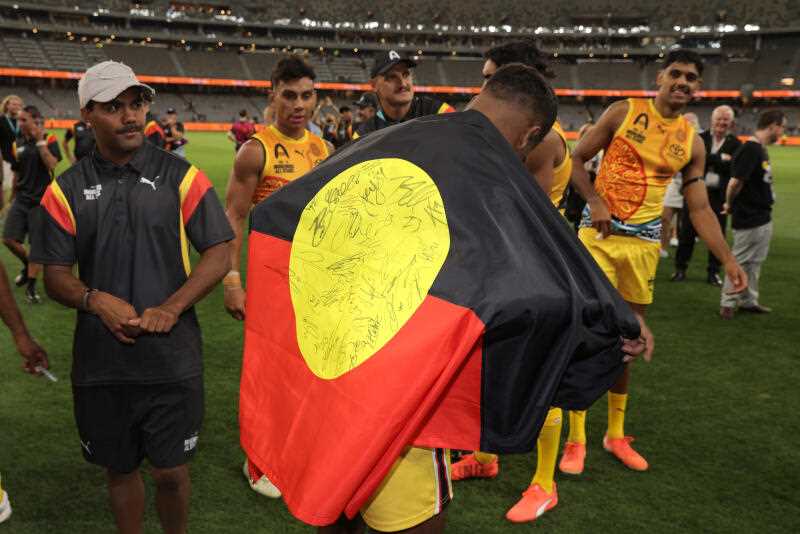
- Indigenous AFL players have declined from 87 in 2020 to 71 this season
- Swinburne’s Professor John Evans says the AFL is out of touch
- AFL pledged $300,000 to increase Indigenous participation
- Evans argues the commitment is misaligned with the issue’s scale
- Concerns span talent pathways, cultural safety and long-term support
- Evans cites lack of Indigenous representation in key subcommittee
- Calls for Indigenous-led decision making and community partnerships
“The recent offer by the AFL clearly demonstrates it has lost touch with the issue of Indigenous participation,” Professor Evans said.
According to Professor Evans, many Indigenous communities have become disengaged from AFL systems that were once regarded as robust pathways into elite sport. He said the trend was not confined to top-tier recruitment; it pointed to fragility in development structures that historically connected community football to professional opportunities.
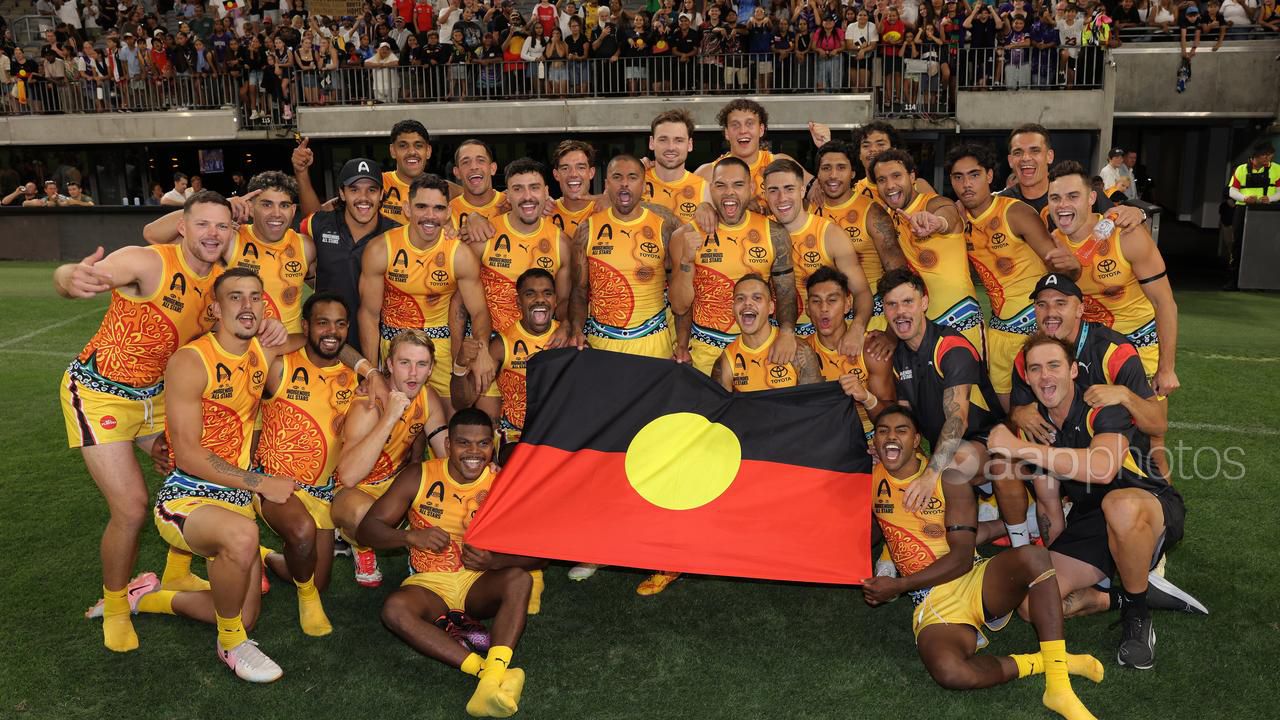
Experts within the football community have also cautioned that reversing this trajectory requires more than near-term measures. The focus, they suggest, must include cultural safety within clubs and competitions, sustained support for athletes and families, and rebuilding trust with communities who have felt distanced from decision-making.
Concerns over strategy and governance
Professor Evans has criticised both the scale and design of the AFL’s current approach. He says the funding does not reflect the level of investment required to make a meaningful difference across the competition.
He also highlighted governance concerns, pointing to Brad Hill’s observation about the lack of Indigenous representation on a subcommittee formed to boost Indigenous player numbers, and argued that this absence signals a fundamental misreading of community expectations.
In his view, decision-making structures that set priorities for recruitment and participation should be led by Indigenous voices and grounded in community partnerships. He warns that failing to embed Indigenous leadership in the strategy risks repeating past mistakes and further eroding confidence in formal pathways.
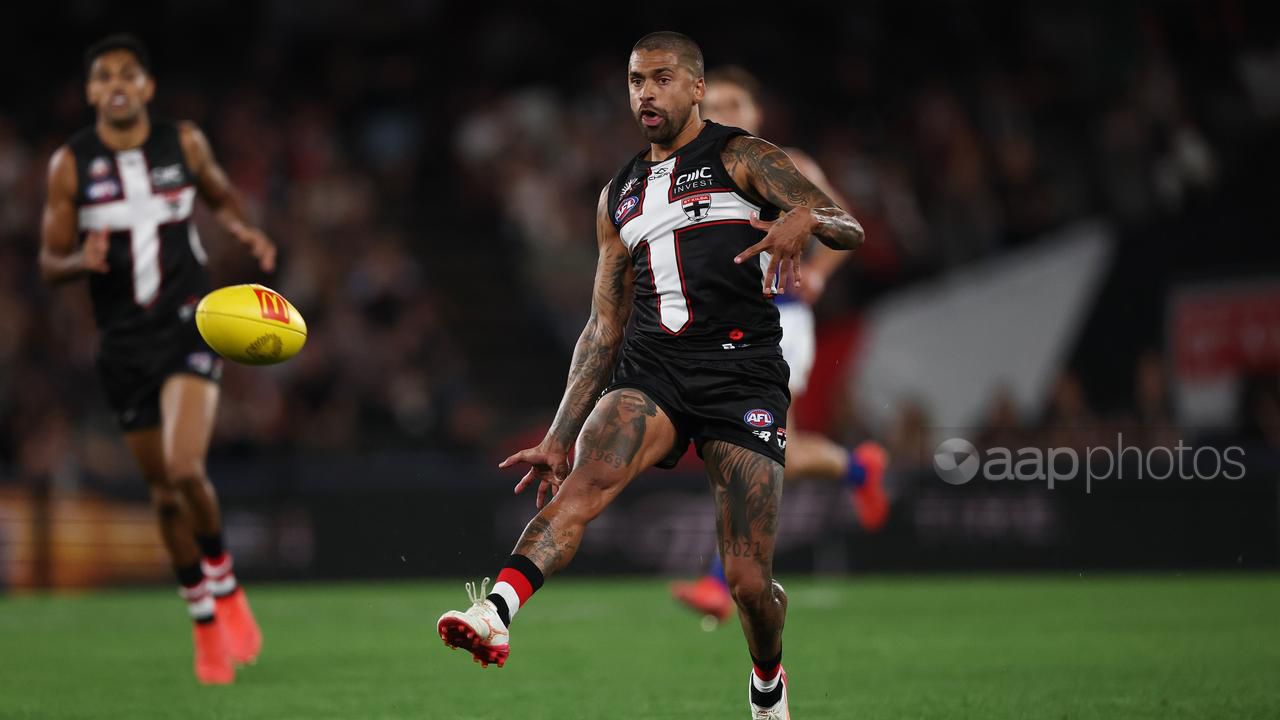
“Three hundred thousand dollars works out to be just over $16,000 per club. That is not a commitment nor an attempt to rectify the poor representation of Indigenous players,” Prof Evans said.
The criticism centres on alignment: if the objective is to rebuild links between communities and the elite game, the investment must be scaled to support comprehensive initiatives. Without that scale, Professor Evans suggests, well-intentioned measures may spread thinly and fail to deliver sustainable improvements in participation or retention.
Rebuilding trust through long-term partnership
Professor Evans has called for long-term investment, Indigenous-led decision making and genuine partnerships with communities to address the decline and re-energise participation at every level. He says the response must be organised around rebuilding trust, ensuring cultural safety, and strengthening the pathways that connect community football to elite opportunities.
Professor Evans has emphasised that the path forward depends on Indigenous leadership in shaping policy, programmes and accountability measures. He says communities must be engaged as partners in defining priorities and approaches, and that measurable, sustained investment is necessary to realise change.
- Strengthening talent pathways that connect community football to the elite level
- Embedding cultural safety within clubs and development systems
- Providing long-term support that extends beyond initial recruitment
- Ensuring Indigenous leadership in decision-making structures
- Building genuine partnerships with communities to rebuild trust
The current decline in Indigenous player numbers has underscored the urgency of a recalibrated strategy. While the AFL has made an initial financial commitment to improving participation, Professor Evans said it falls short of the comprehensive, Indigenous-led approach required to rebuild trust and deliver meaningful outcomes.
He said that success would be determined by whether the league can work in partnership with communities to re-establish strong pathways and ensure that the game is culturally safe and genuinely supportive at every stage.