NT communities urged to get flu shots
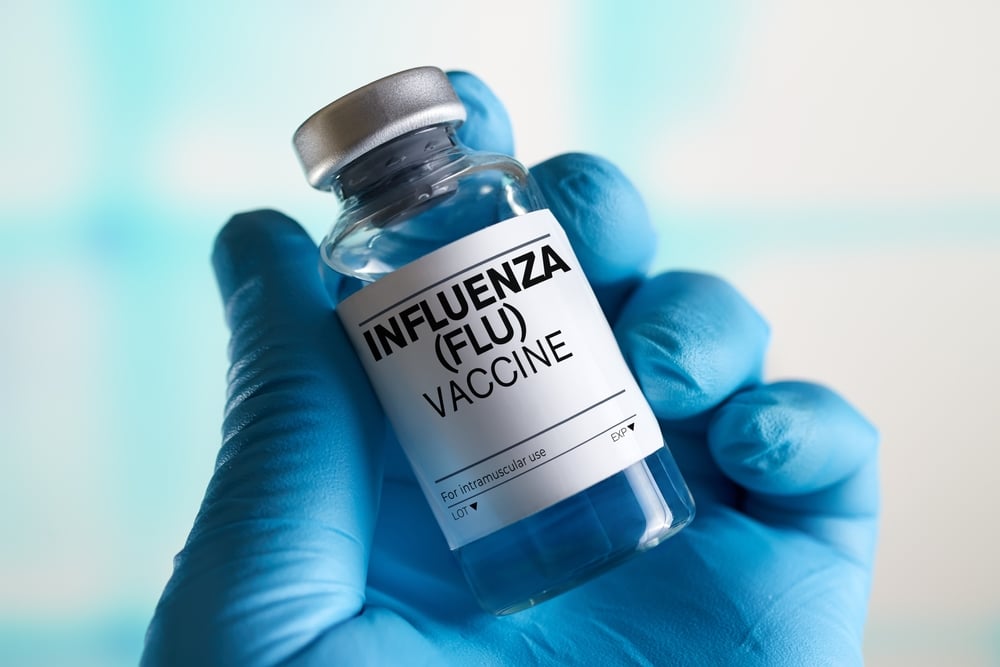
Communities in the Northern Territory are being encouraged to get flu vaccination shots to protect themselves from getting sick.
The 2026 flu vaccine is now available throughout the Territory and communities can access the vaccine from their GP, health clinic (including remote health clinics) and participating pharmacies.
Flu vaccination is recommended annually as the Territory enters the Dry season in the Top End, and winter in our southern parts.
During this period, flu case numbers peak across Australia.
Minister for Health Steve Edgington has urged all Territorians over the age of six months to get the flu vaccine.
More than 531 cases
“Flu strains change every year—getting your annual vaccine is the best way to stay protected,” Mr Edgington said.
“Getting the flu shot protects you—and helps stop the spread to others. No one wants to get sick at any time, but as the dry season and tourist season approaches in both the Top End and Central Australia, we want Territorians out and about enjoying our unique lifestyle, so I encourage everyone to get their flu shot.”
Since the beginning of 2026, there have been more than 531 cases confirmed, mostly in the Top End, Katherine and East Arnhem regions. There has also been 166 reported hospitalisations in the NT due to the flu.
There were 5,487 cases recorded in the NT in 2025, and 1,367 reported hospitalisations. There were 3,302 cases in 2024, and 2,869 in 2023.
“Flu cases are on the rise in the Territory—getting vaccinated is your best protection against serious illness,” Mr Edgington said.
The following people are more at risk of complications from influenza and are eligible to receive a free influenza vaccination under the National Immunisation Program:
- All children aged 6 months to under 5 years
- All adults aged 65 years and over
- Pregnant women at any stage of pregnancy
- Aboriginal and Torres Strait Islander people aged 6 months and over
- People aged 6 months and over with certain medical conditions that increase their risk of severe influenza.
Territorians who are not eligible to receive a free influenza vaccination can access the influenza vaccine from their GP, health clinic (including remote health clinics) and participating pharmacies.
Many workplaces provide influenza vaccines to employees at no cost.
Influenza is a very contagious illness that can make people quite sick, and it can affect anyone. It spreads easily from person to person, usually when someone coughs or sneezes.
Fever-line symptoms
You can help stop it spreading by staying home when you’re sick, washing your hands often, and keeping your distance from others where possible.
Flu usually comes on quickly, with symptoms like fever, tiredness, headache, chills, sore throat, loss of appetite, cough, runny nose and sneezing.
Most people can look after themselves at home by resting, drinking plenty of fluids, and taking paracetamol or ibuprofen for fever and pain. If you’ve got the flu, stay home until you’re feeling better, or at least 24 hours after your fever has gone.
- People who are concerned about their influenza symptoms should contact their pharmacy, GP or call healthdirect on 1800 022 222.