Art symbolises Indigenous leader’s steely resolve
By ABE MADDISON
The fierce tenacity and gentle humanity of Lowitja O’Donoghue has been celebrated at the unveiling of a statue of the Indigenous rights trailblazer.
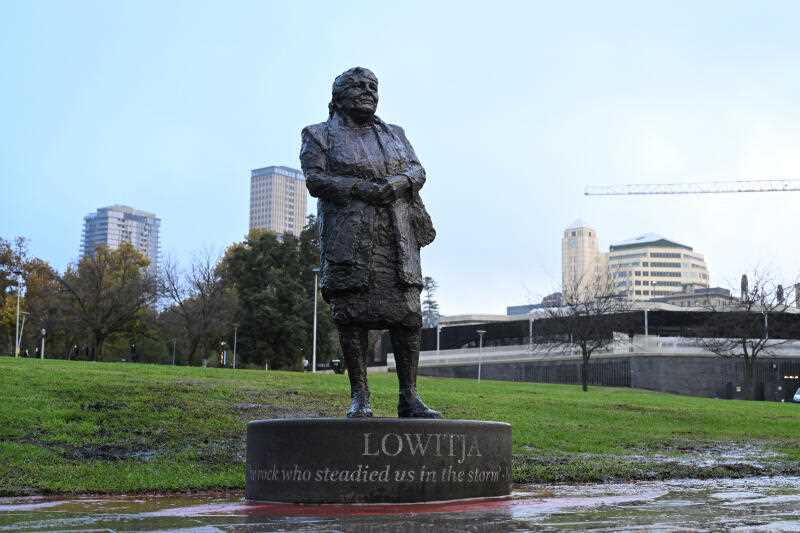
The bronze monument, created by Robert Hannaford, was revealed in Adelaide on Tuesday, the first of six statues to memorialise prominent Aboriginal South Australians.
Dr O’Donoghue played a key role in the 1967 referendum, lobbied the Keating government to recognise Indigenous land ownership through native title laws and advised on the apology to the Stolen Generations.
She was a member of the Stolen Generations, taken from her mother at two and put in a children’s home.
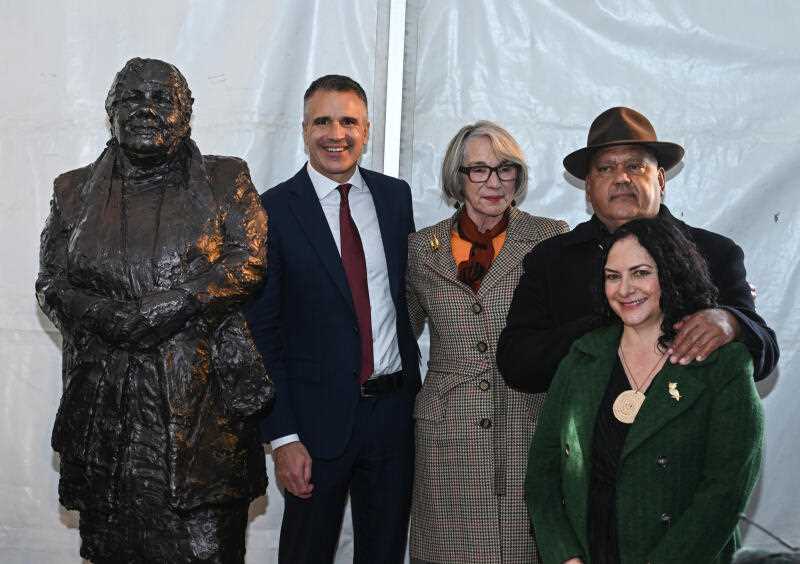
“It is hard to imagine a more tragic and unjust start to anyone’s life,” Premier Peter Malinauskas told guests at the unveiling.
“Yet here we are today to unveil a permanent monument to one of the most exceptional women that this country has ever known.
“A woman with a voice that refused to be silenced and a generosity of spirit undiminished by the deprivations of her childhood – that tenacity and resilience has become the stuff of legend.”
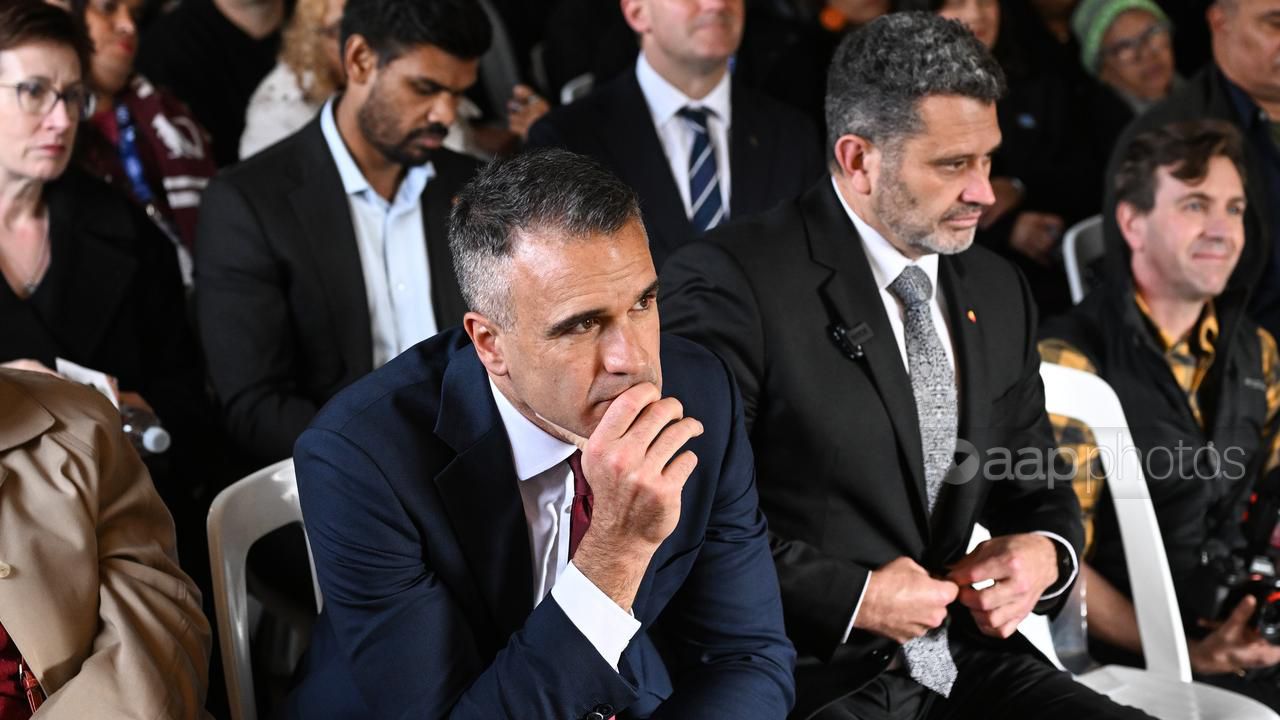
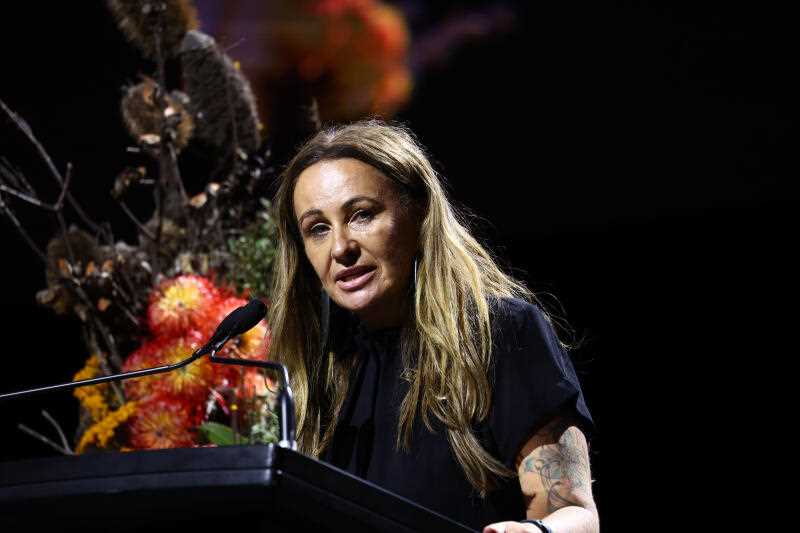
Peter Malinauskas says Lowitja O’Donoghue was one of the most exceptional women in Australia. (Michael Errery/AAP PHOTOS)
The statue, on the southern bank of Karrawirra Parri (River Torrens), is a short distance from St Peter’s Cathedral, where Dr O’Donoghue’s funeral service was held in 2024 after she died aged 91.
Deb Edwards, Dr O’Donoghue’s niece and the head of the Lowitja Foundation, said the statue was a monument that “symbolises Black excellence, courageous leadership, and unrelenting willpower to make and create change”.
“Lowitja will be seen … and we will be seen, not erased, not kept out of sight,” she said.
“She stepped up, stepped forward, and every time she did, she considered: ‘how can I help my people by making this decision, and how can I be of service to our communities?'”
The Lowitja Foundation was set up in 2022 to continue her legacy by creating opportunities for advancement and change for Aboriginal and Torres Strait Islander peoples.
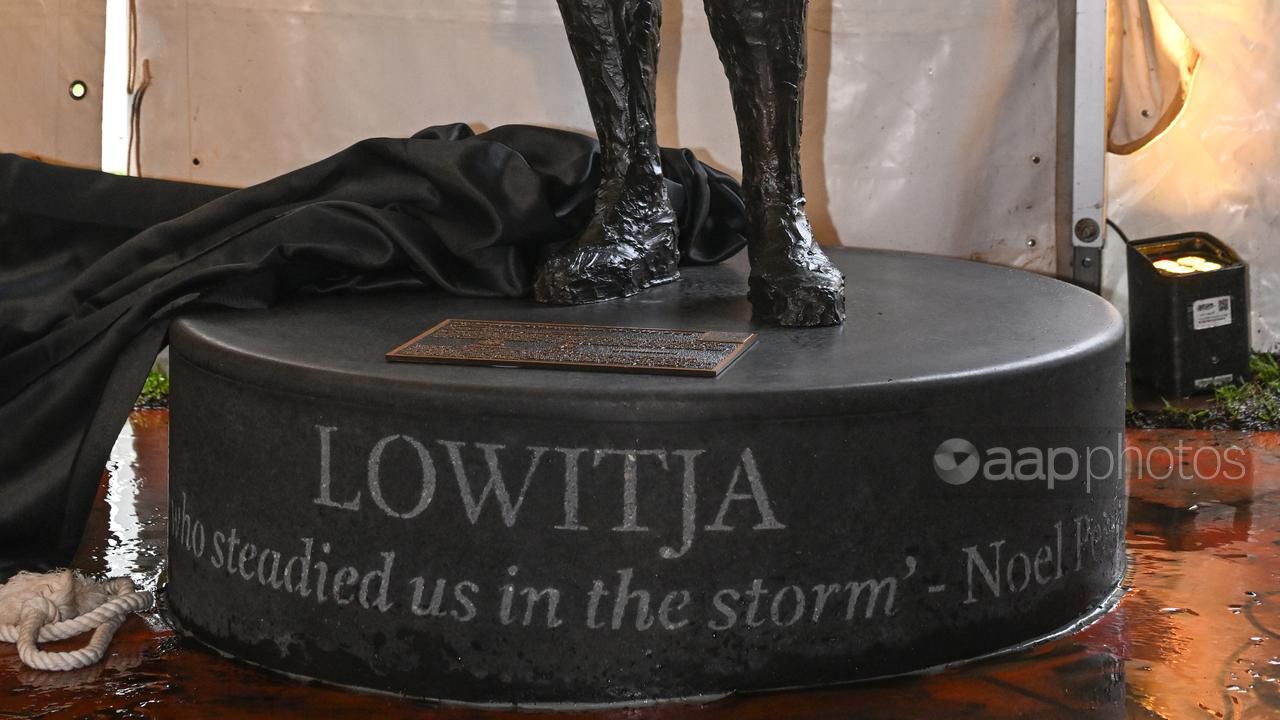
The quote on the statue’s base was apt as heavy rain flooded the marquee erected for the ceremony. (Michael Errery/AAP PHOTOS)
Dr O’Donoghue gained prominence after becoming the first Aboriginal person to train as a nurse at Royal Adelaide Hospital in 1954.
After being denied the opportunity because of her Indigenous heritage, she successfully lobbied then-premier Thomas Playford to win her right to admission, setting her on a lifelong path of fighting for equality.
SA Aboriginal Affairs Minister Kyam Maher said that as a young Labor staffer, he was “absolutely terrified” of “this remarkable human being”.
“If you look (at the statue) from one angle, you can see that staunch, steely resolve, that gaze that made her so formidable … from different angles, it captures that gentle, compassionate humanity.”
Work is now under way on the next statue, with the government committing $1 million to six statues, celebrating the lives and legacies of Dr O’Donoghue, David Unaipon, Gladys Elphick, Garnett Wilson, Alice Alitya Rigney and Yami Lester.
aap