More aboriginal burial sites likely found on Wadjemup/Rottnest
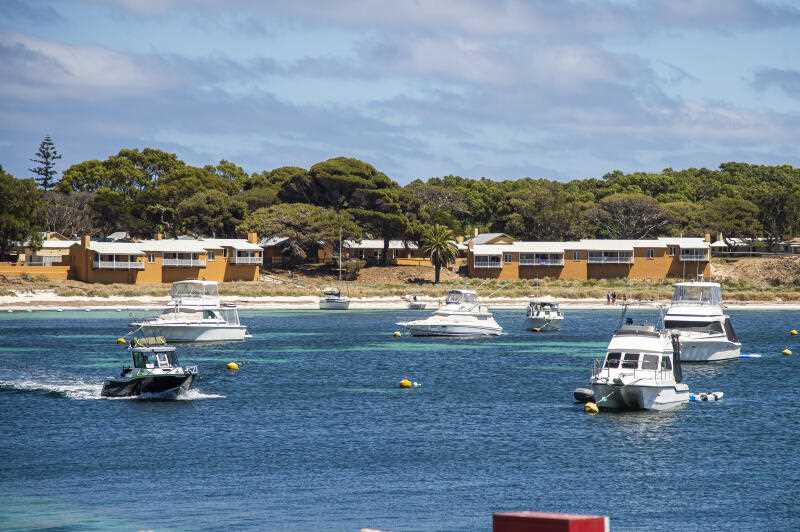
Authorities say a ground-penetrating radar survey has identified 12 potential burial sites on Wadjemup / Rottnest Island following the recent discovery of human remains during construction works.
Remains consistent with Aboriginal ancestry were discovered on April 8 during works to expand the main bus stop at a construction site on the holiday island off the coast of Western Australia.
ABC News has also reported bones were discovered earlier this month amid construction work near a church on the island.
Construction works on the island have been cancelled and are likely to scrapped after the discovery.
Key Points
- GPR detected 12 potential “burial like anomalies” on Rottnest Island
- Remains consistent with Aboriginal ancestry found on April 8
- Discovery occurred during works to expand the main bus stop
- RIA and WAC met Elders on April 13 to guide cultural process
- Further archaeological work required before burials are confirmed
- Whadjuk Noongar monitors will continue to oversee the site
- Bones found amid construction near a church, believed Indigenous
Discovery and immediate response
The Rottnest Island Authority and Whadjuk Aboriginal Corporation have worked together since the discovery to ensure cultural protocols are followed and to make respectful decisions regarding the site’s protection and ongoing management.
RIA and WAC met with senior Whadjuk Elders and respected Aboriginal representatives on April 13 to seek cultural advice on the appropriate process moving forward.
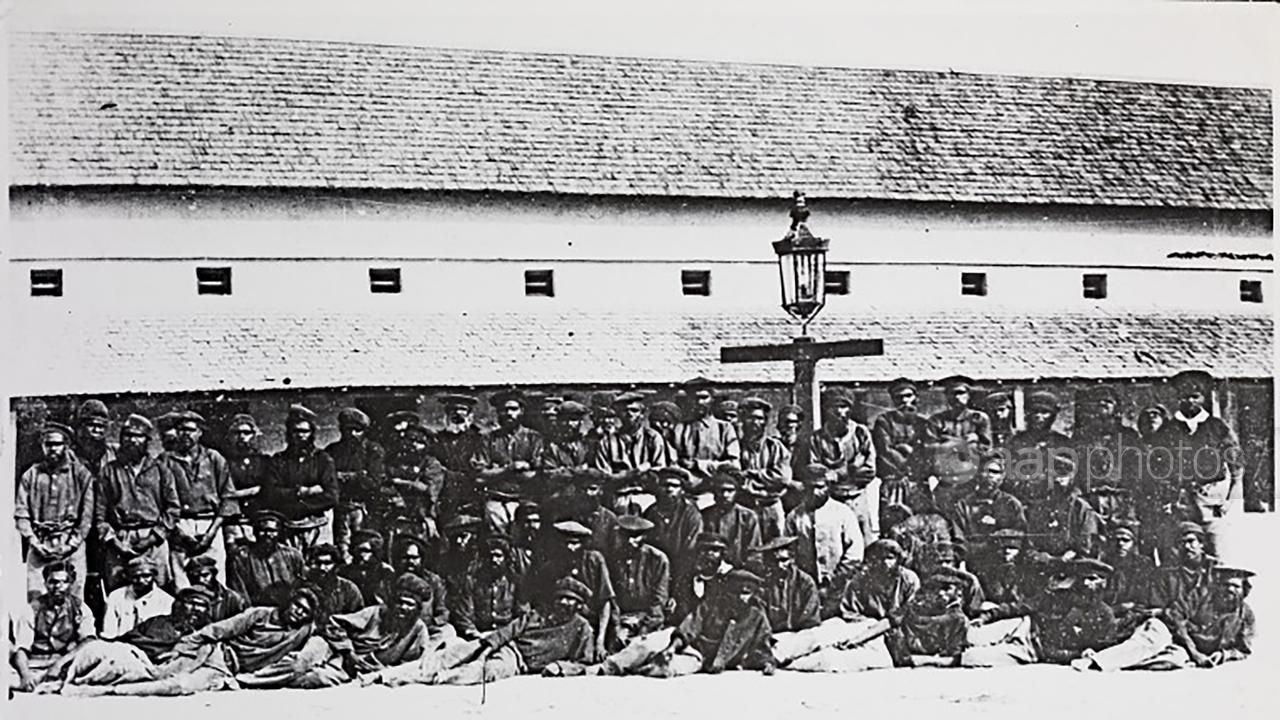
Rottnest Island once had 3700 Aboriginal males imprisoned there, who were buried in unmarked graves.
At that meeting, participants agreed to undertake anthropological and archaeological work to provide further cultural and historical context, and to conduct a GPR survey of the works site to identify whether other burial sites are present.
“The GPR survey has identified a further 12 potential burial like anomalies”
— Rottnest Island Authority
Survey findings and verification
The authority said additional archaeological investigation is required before any burial sites are confirmed.
RIA stated that the findings would be formally briefed to WAC, senior Whadjuk Elders, and respected Aboriginal representatives, with discussions to determine the next steps. Whadjuk Noongar monitors will continue to oversee the site.
WAC and RIA have indicated that decision-making around protection and ongoing management will continue to follow cultural protocols set out in consultation with senior Whadjuk Elders and respected Aboriginal representatives.
The organisations said they will come together with Elders and representatives today to be briefed on the findings and to discuss and determine next steps.
Cultural oversight
As part of that process, anthropological and archaeological work has been undertaken to provide cultural and historical context for the discovery and the detected anomalies.
The approach reflects an attempt to balance urgent site protection with methodical investigation. Whadjuk Noongar monitors remain on-site to ensure cultural oversight and to observe ongoing works and investigations.
Authorities reiterated that the identification of potential burial-like anomalies via GPR does not, in itself, confirm burials. The stated process requires additional archaeological investigation before any determination is made. The emphasis from RIA and WAC remains on cultural respect, careful verification, and ongoing oversight while decisions are taken about protection and management.

- ACT
- AFL / AFLW
- Arts
- Athletics and Olympics
- Business
- Conditions and Research
- Culture
- Elections
- Employment and Careers
- Enterprise and Startups
- Entertainment
- Events and NAIDOC
- Fashion
- Film and TV
- Food
- Government and Policy
- Grants and Funding
- Health
- Healthcare and Services
- Heritage and History
- International
- Language
- Legal and Justice
- Lifestyle
- Mental Health and Wellbeing
- Music
- National
- News
- NRL and Rugby League
- NSW
- NT
- Olympics
- Opinion
- Other Sports
- People and Profiles
- Podcast
- Politics
- Property and Land
- QLD
- SA
- Sports
- TAS
- Technology
- Travel
- Treaty and Truth-telling
- VIC
- Voice and Referendum
- WA