Indigenous-led wetland restoration backed with $15m commitment
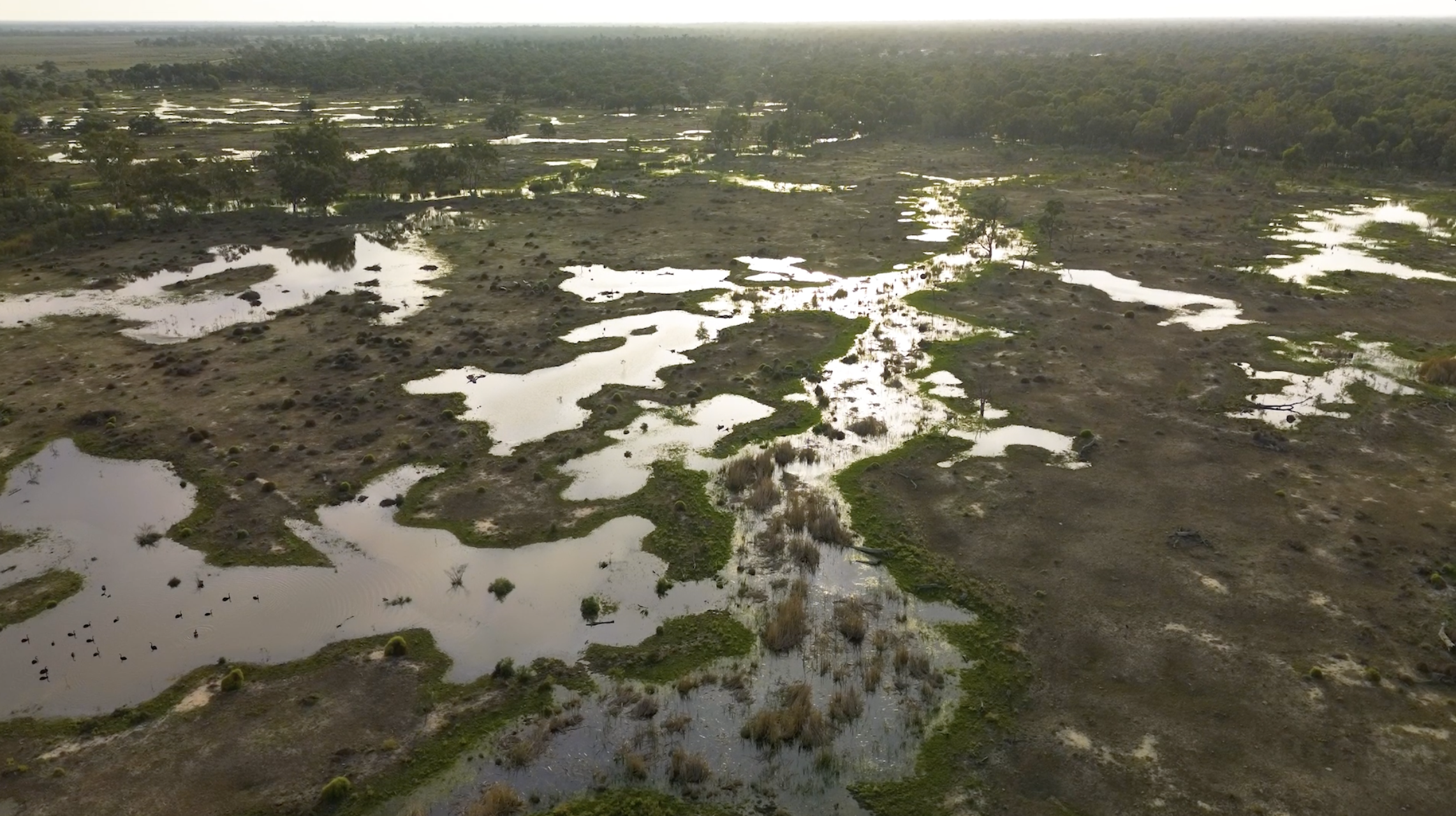
The Clean Energy Finance Corporation has committed $15 million through Bank Australia to back the Nari Nari Tribal Council (NNTC) to restore The Great Cumbung through the acquisition of Juanbung and Boyong Stations, helping to strengthen Indigenous leadership in land and water management.
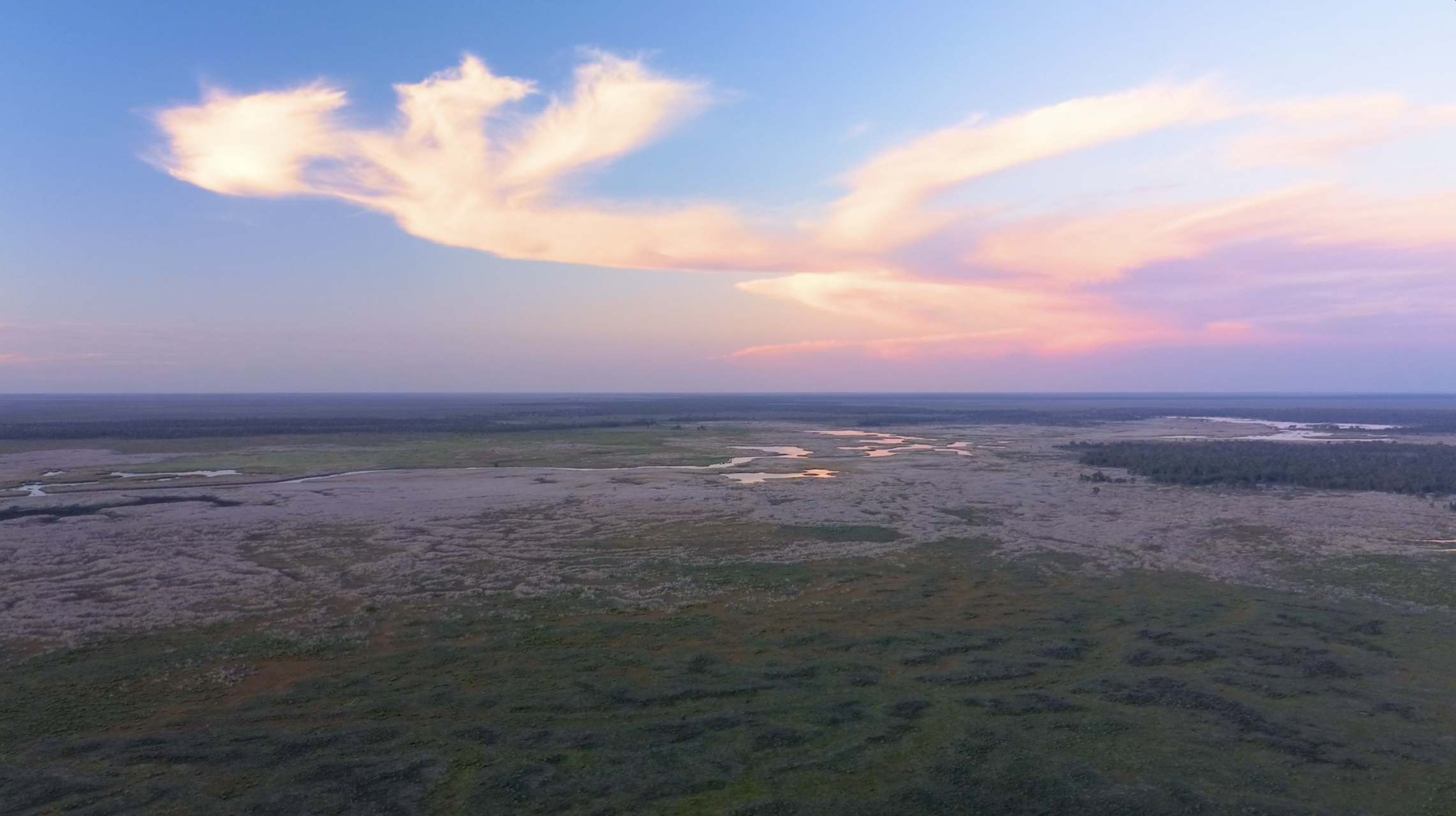
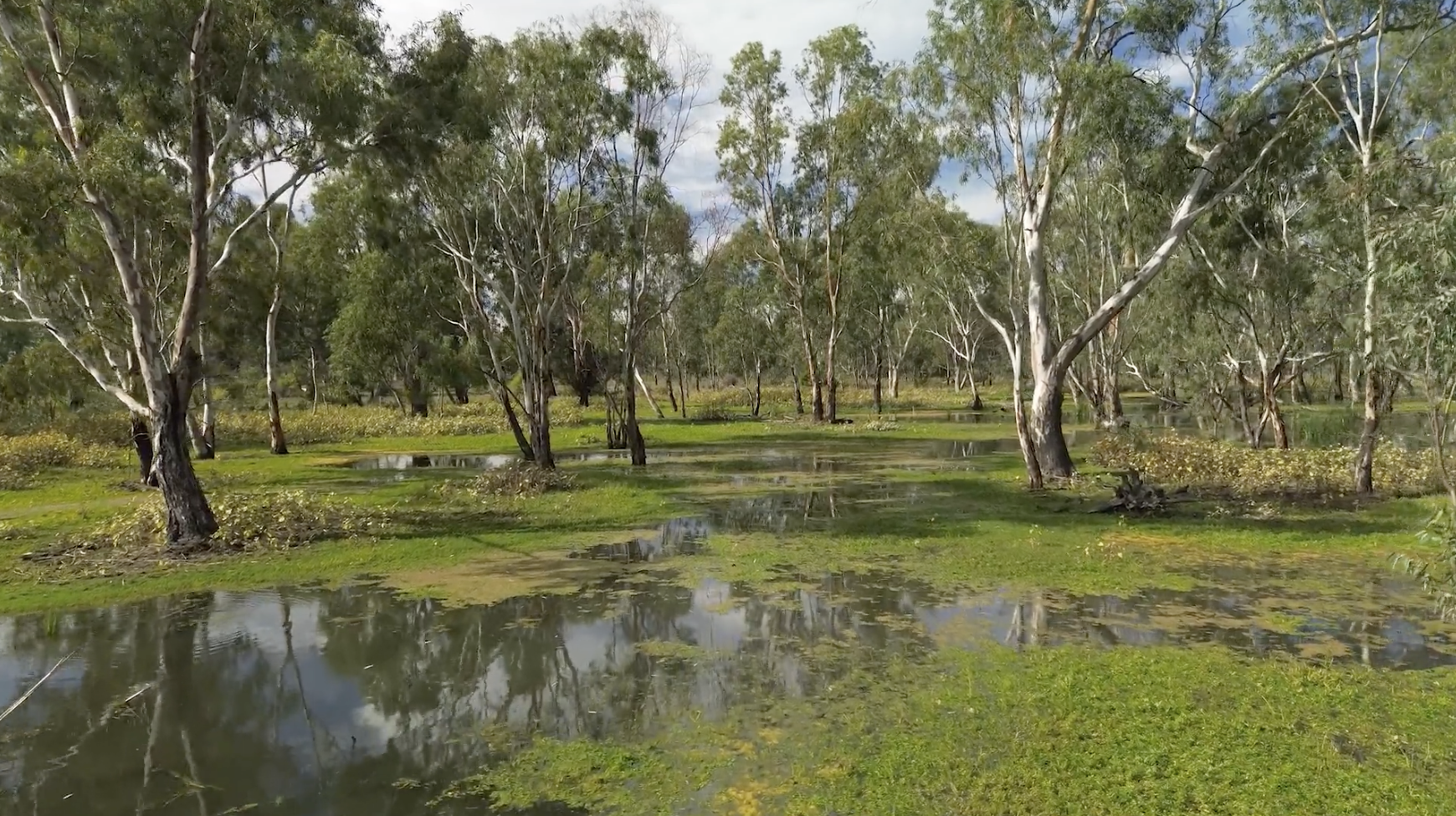
The project encompasses some 34,000 hectares in south-west New South Wales, and will help restore one of Australia’s most significant freshwater wetland systems, delivering measurable carbon sequestration and long-term biodiversity benefits by rehabilitating freshwater wetlands, which play a critical role in storing carbon and regulating greenhouse gases.
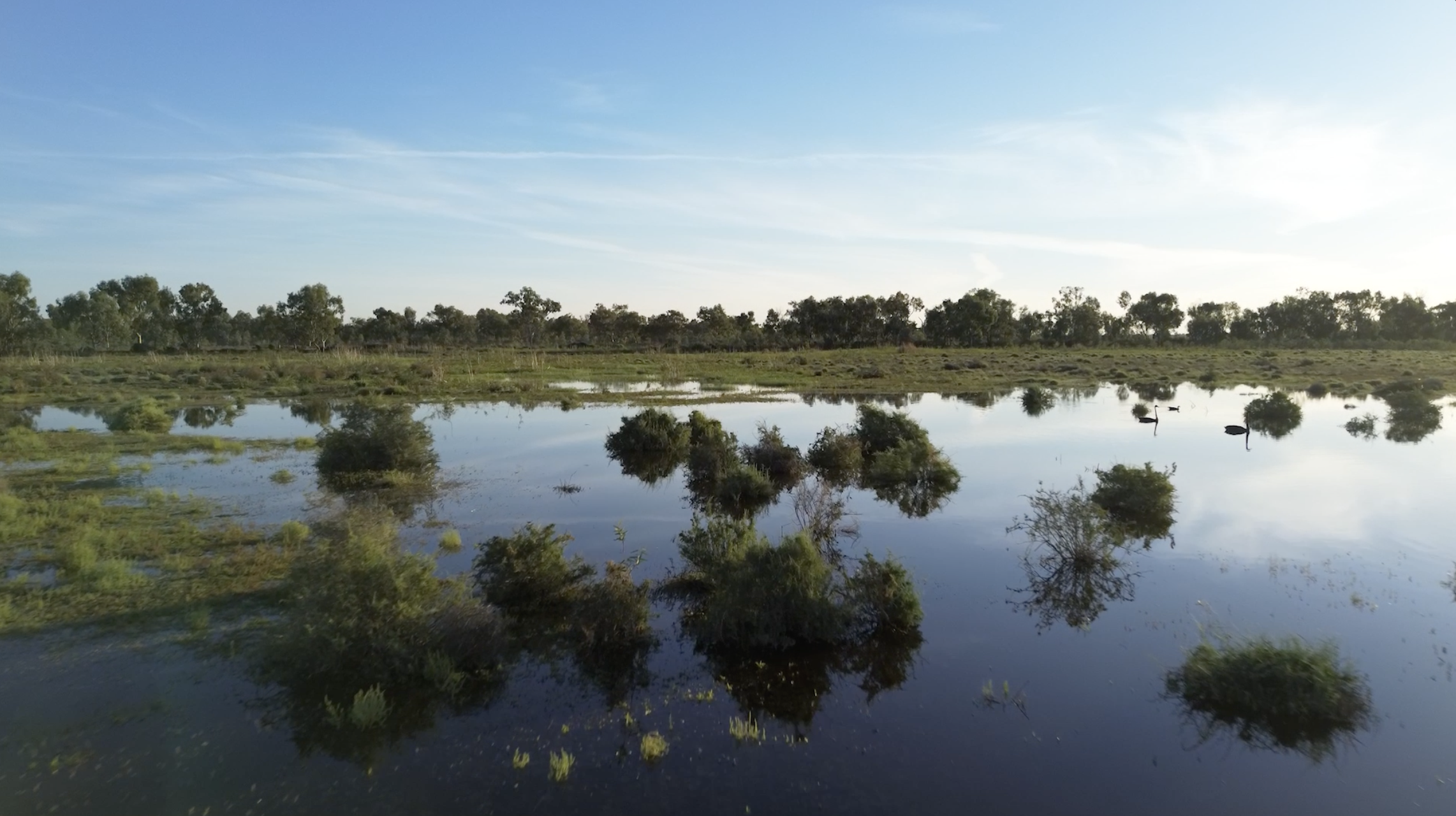
Located at the junction of the Murrumbidgee and Lachlan Rivers in the Murray-Darling Basin, The Great Cumbung is home to threatened species, including birds like the Australasian Bittern and the Australian Painted Snipe. Restoration works will focus on removing floodplain barriers and regenerating native wetland and woodland systems, including river red gum, black box and mallee species, alongside selected grazing, to enhance biodiversity outcomes.
Securing long-term conservation value
In a significant step for environmental protection, the commitment will also allow the NNTC to ensure that native forest within the area is retained and protected, further securing its long-term conservation value.
“Guided by the NNTC, this project demonstrates the vital role Traditional Owner groups play in Australia’s net zero transition. With CEFC backing, the NNTC can focus on restoring this critical wetland and delivering long-term stewardship of Country. We’re proud to work with Bank Australia on a project that supports one of the nation’s most biodiverse landscapes.”
Jamie Woods, NNTC Chair said the commitment had great significance for the Nari Nari people.
Bank Australia Head of Impact Lending, Tim Von Ess said it was an outstanding milestone for NNTC, who held a deep cultural connection to this landscape, and will now embark on a significant program of long-term conservation works.
“The importance of this acquisition extends well beyond the transaction itself. It marks a major step forward for First Nations leadership in landscape scale conservation, cultural restoration and long term environmental stewardship. It is also a significant moment for Bank Australia, representing a proud partnership with the CEFC, and is deeply tied to our impact areas. It’s the kind of outcome the whole of Bank Australia is proud to have supported,” he said.
The Great Cumbung adjoins Gayini, a 90,000-hectare property already owned and managed by the NNTC. Together, the sites represent a major expansion of Indigenous-led stewardship of Country.
Major investments
Wetlands play a complex but vital role in natural ecosystems. While they are a natural source of methane, they also store significant carbon stocks, support biodiversity and contribute to healthier ecologies and water systems. Globally, wetland environments are at risk of biodiversity loss.
Since inception, the CEFC has committed more than $900 million to the broader natural capital sector since inception, with investments ranging from large-scale, including a $50 million commitment to creating a specialised scaled agriculture and carbon platform, and a $200 million commitment to support discounted finance for on-farm emissions reduction activities.