First Nations stories belong in everyday classroom learning
As schools across Australia mark NAIDOC Week, Oxford University Press Australia is encouraging educators to think beyond one-off classroom activities and consider how First Nations stories, voices and perspectives can be embedded in everyday learning throughout the year.
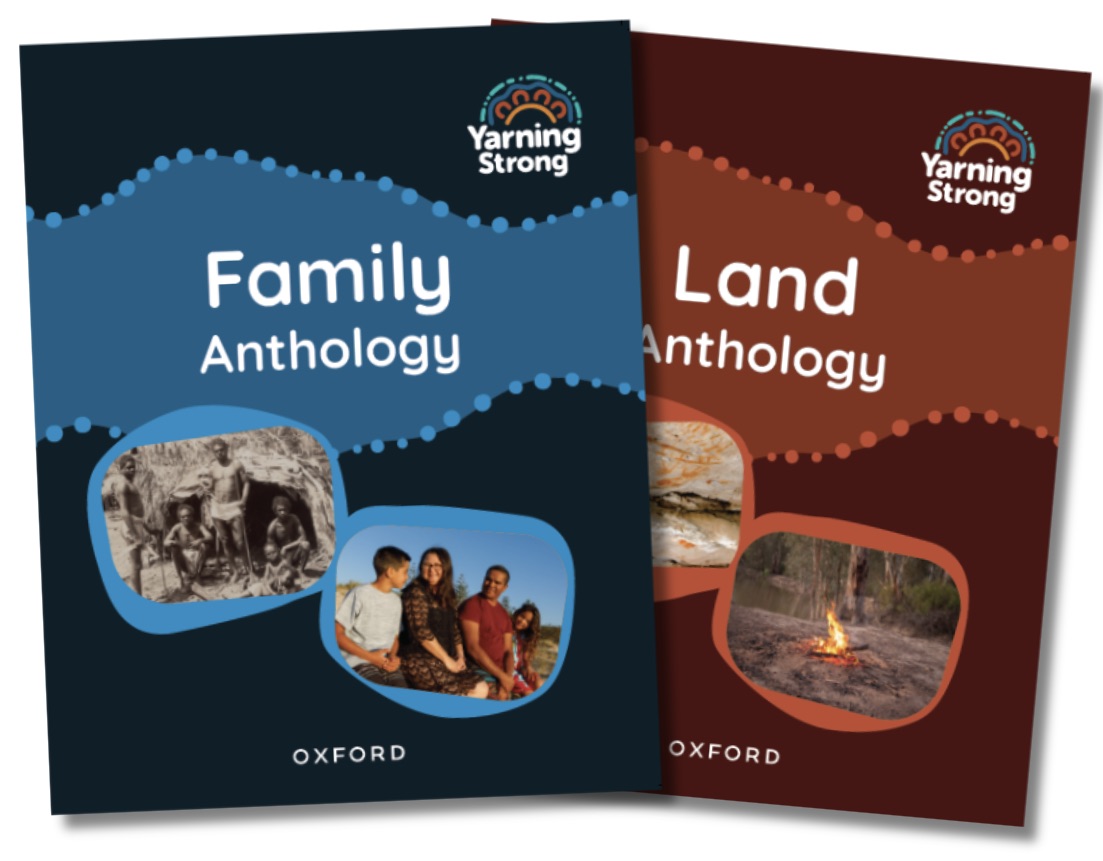
The new edition of Yarning Strong is a collection of classroom texts written by First Nations authors and creators, designed to support primary schools to bring Aboriginal and Torres Strait Islander perspectives into Years 3–6 learning.
The collection of novels, graphic novels and four non-fiction Anthologies are written by First Nations Australians, including Gayle Kennedy, Anita Heiss, Bruce Pascoe and Jared Thomas.
The series supports teachers to use First Nations stories as part of English and Humanities curriculum teaching, while also helping students engage with themes including Family, Identity, Land and Law.
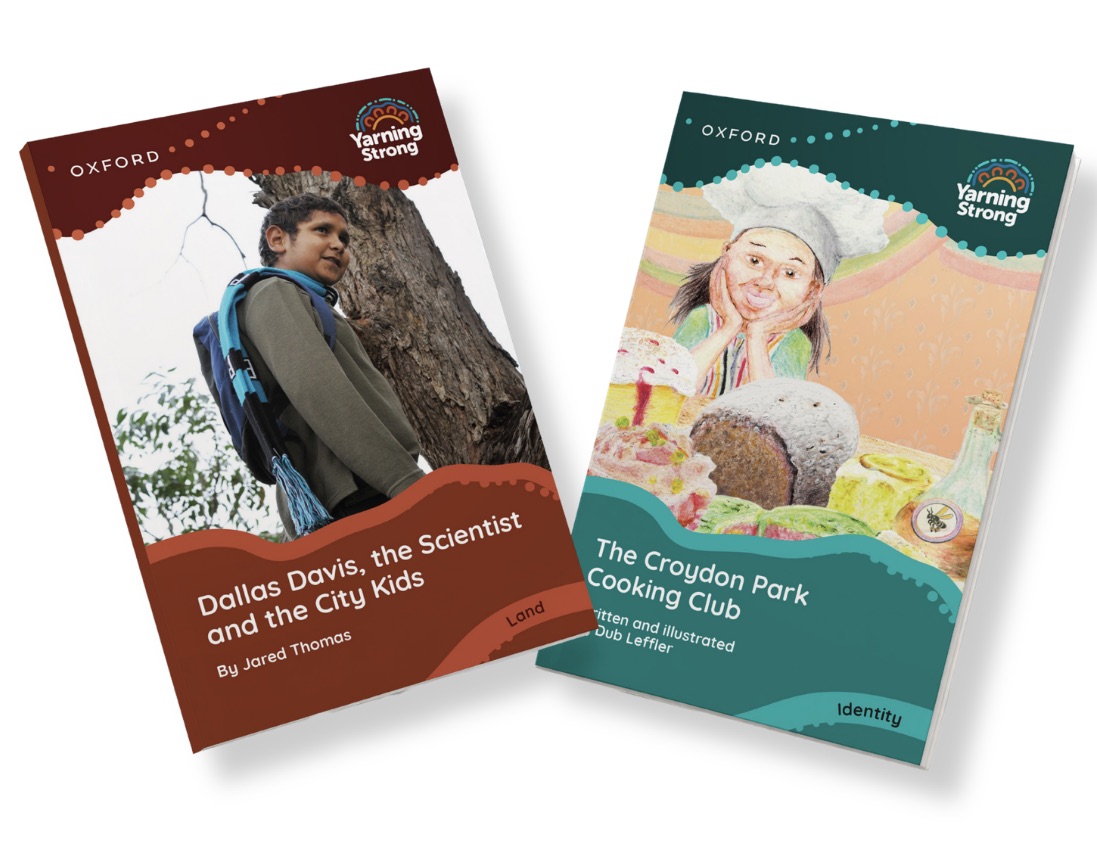
For some non-Indigenous teachers, teaching Aboriginal and Torres Strait Islander perspectives can feel challenging when they do not have lived experience. Yarning Strong provides a practical way for schools to prioritise First Nations-authored texts and support teachers to approach this work in a more informed, respectful and meaningful way.
Rather than treating First Nations texts as something separate, seasonal or only relevant during significant dates, Yarning Strong provides educators with resources and lesson plans that support explicit teaching, independent student work and discussion that can be incorporated into the curriculum and across the year.
Building understanding, respect and connection
Bigambul and Mandandanji author and illustrator Dub Leffler said NAIDOC Week was an important time to celebrate Aboriginal and Torres Strait Islander stories, but these stories belonged in classrooms throughout the year.
“NAIDOC Week gives schools a wonderful opportunity to celebrate First Nations cultures and stories, but our stories shouldn’t only be brought out for one week of the year,” Mr Leffler said.
“Children learn about the world through the stories they read, the pictures they see and the voices they hear in the classroom. When First Nations stories are part of everyday learning, Aboriginal and Torres Strait Islander students can see themselves reflected, and all students have the chance to build understanding, respect and connection.

Bigambul and Mandandanji author and illustrator Dub Leffler.
“That is what makes a resource like Yarning Strong so valuable. These are strong classroom texts that can sit alongside any other books being used to teach reading, writing and discussion, while also bringing First Nations voices and perspectives into that learning.”
Oxford University Press Australia Senior Learning Designer for Primary Product Geraldine Corridon said the series reflected OUP’s commitment to supporting schools with trusted, curriculum- relevant resources.
“One of the best things about working on this series has been receiving the contributions from people across Australia, which means the series includes amazing new material from First Nations peoples: new artworks, songs, poetry, stories and reflections as well as traditional tales and events from history. It is such a great way to learn more about our shared history and about where we live from the original story tellers of this country,” Ms Corridon said.
New content on important topics
Yarning Strong is a series of fictional novels, graphic novels and factual anthologies written by First Nations writers and creators from across the country. The novels are stories that explore everyday experiences of First Nations Australians that may not be understood or seen by their non-Indigenous peers.
The resources are designed to support primary teachers to embed Aboriginal and Torres Strait Islander perspectives in a way that is connected to curriculum learning, including English.
Yarning Strong has been refreshed this year to be updated with new content on important contemporary topics, such as the Voice to Parliament Referendum and Treaty in Victoria.
NAIDOC Week provides an important moment to celebrate First Nations cultures, stories and achievements, but meaningful engagement with Aboriginal and Torres Strait Islander perspectives should continue throughout the school year.
 About Yarning Strong
Yarning Strong is a collection of classroom texts written by First Nations authors and creators for primary students. The series supports schools to bring Aboriginal and Torres Strait Islander stories, voices and perspectives into everyday classroom learning.
Yarning Strong supports the English and Humanities curriculums for Years 3–6. It provides culturally relevant content and supports teachers to meet curriculum requirements through accessible, high-quality materials. The novels can be used as mentor texts to teach English.
Yarning Strong includes full lesson plans and background articles that provide information on topics such as the Stolen Generation and land rights, which share facts and perspectives to support teachers to facilitate a safe dialogue in the classroom.