First Nations health graduates building careers that change lives
Two First Nations graduates are turning opportunity into impact, building meaningful careers in healthcare and inspiring the next generation of Aboriginal and Torres Strait Islander health professionals across Queensland.
Josiah Little and Michael Woods began their journeys in regional communities with uncertainty about their future.
Today, both are working in the primary healthcare sector with Gold Coast Health, using their skills, cultural knowledge, and lived experience to support stronger health outcomes for their communities.
Josiah, a proud Bandjin and Djakunda man and South Sea Islander, first stepped into healthcare through a traineeship opportunity in Bundaberg in 2019, an experience that set him on a path toward a purpose-driven career.
Multiple qualifications
Through TAFE Queensland, he completed multiple qualifications across Aboriginal and Torres Strait Islander primary healthcare, building the confidence and capability to progress into further study and professional practice.
“The training I gained from TAFE Queensland unlocked job opportunities and further education,” Josiah said.
Now a qualified Aboriginal and Torres Strait Islander Health Practitioner and credentialed Diabetes Educator, Josiah has worked across Queensland, from Bundaberg and Cherbourg to Yarrabah and the Sunshine Coast, before continuing his career on the Gold Coast.
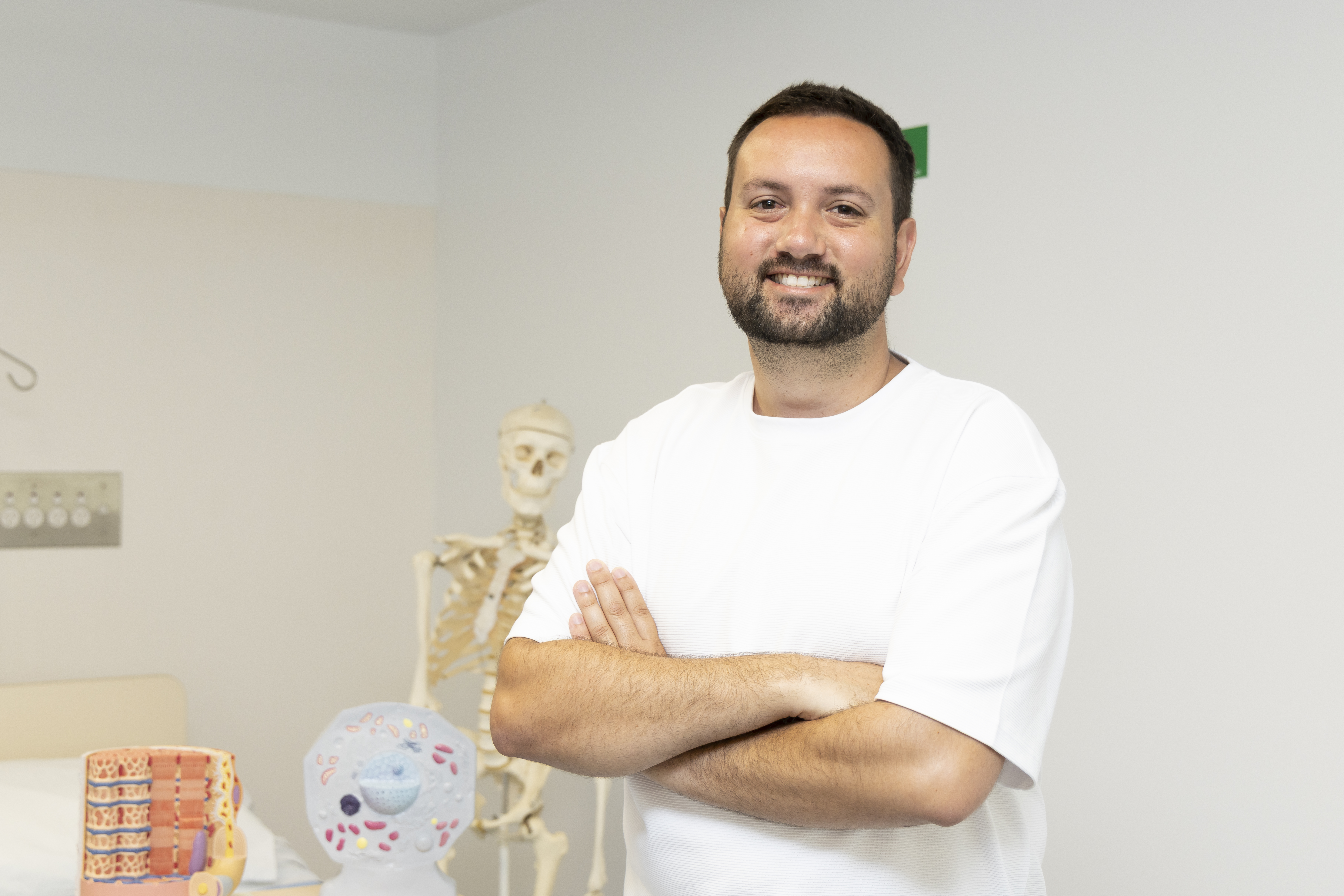
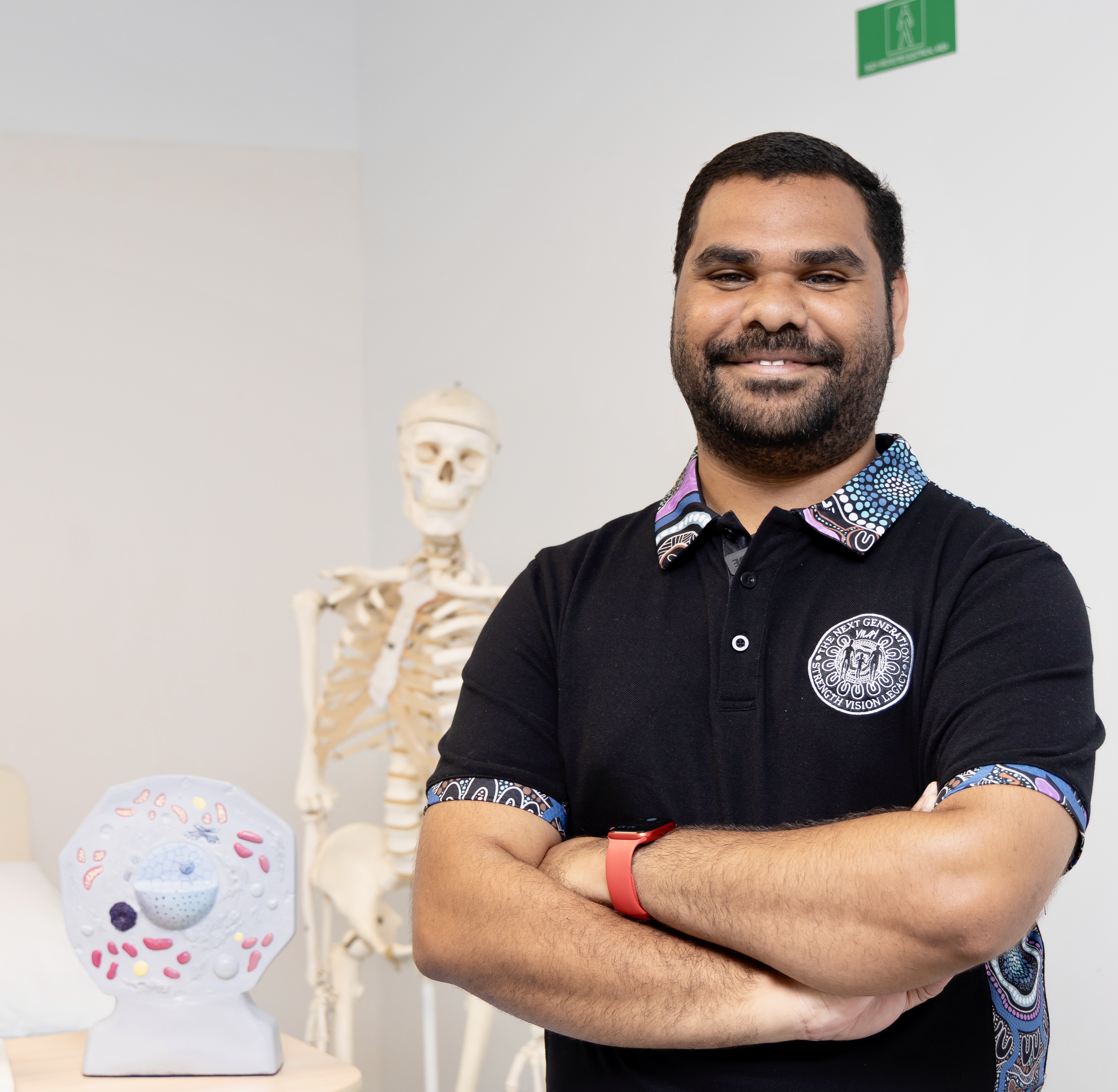
Michael Woods, and main picture, Josiah Little.
Reflecting on his journey, he said overcoming self-doubt was one of his biggest achievements.
“I didn’t think I was good enough,” he said.
“People had strong opinions that I was average or wouldn’t amount to anything, but that became my motivation to prove them wrong.”
Josiah said the culturally safe and supportive learning environment at TAFE Queensland played a key role in his success.
“My favourite part was the support. The teachers were incredible and took me under their wing,” he said.
“TAFE Queensland created a culturally safe and flexible environment where students could work at their own pace. It made my dreams possible.”
A career in health
During his studies, Josiah met fellow First Nations student Michael, an experience that would go on to shape both their careers.
Growing up in regional Kingaroy, Michael said he hadn’t always seen a clear pathway for himself after finishing school.
Originally planning to study business, Michael said a conversation with Josiah shifted his perspective and led him toward a career in health.
“Josiah explained what the course was about and how rewarding the work could be,” he said.
“That conversation really shifted things for me.”
Michael enrolled with TAFE Queensland, beginning a training journey that saw him complete multiple qualifications in Aboriginal and Torres Strait Islander primary healthcare.
Growing demand for culturally safe pathways
Now working in child and youth mental health on the Gold Coast, Michael is passionate about contributing to longterm change across the health system.
“I want to help build a strong Aboriginal and Torres Strait Islander health workforce, particularly through leadership, workforce development and policy,” he said.
“We have an opportunity now to be part of the system and make real change.”
In 2025, more than 120,000 students chose to train with TAFE Queensland, including 7,700 First Nations students, highlighting the growing demand for accessible, culturally safe pathways into industries like healthcare.
General Manager of TAFE Queensland’s South West region, Kate Venables, said stories like Josiah and Michael’s highlight the importance of accessible, culturally safe training pathways into highdemand industries.
“We know that increasing the number of Aboriginal and Torres Strait Islander health professionals is critical to improving health outcomes, particularly in regional, rural and remote communities,” she said.
“By ensuring our training is accessible to students from all walks of life and locations, we are empowering more people to step into these roles and make a meaningful difference in their communities.”
She said vocational training, including traineeships, continues to play a vital role in creating pathways into the health workforce.
“We are committed to providing culturally safe learning environments and supporting Aboriginal and Torres Strait Islander students to achieve their goals,” Ms Venables said.
Connected with likeminded people
“With strong demand for skilled health professionals, these pathways are not only transforming individual lives, but strengthening the future of healthcare across our regions.”
Both Josiah and Michael hope their journeys will encourage others to explore a career in health.
“Give it a go. You never know what opportunities will open,” Josiah said.
Michael also encouraged others to take the first step and connect with their community.
“My top tip is to find your people,” he said.
“When you’re connected with likeminded people, it feels supportive instead of hard.”
First Nations community members can take the first step towards a career in Indigenous primary healthcare with the Certificate III in Aboriginal and/or Torres Strait Islander Primary Health Care (HLT30121).