First Nations face energy poverty in Australia
First Nations-led research has warned that energy poverty persists across Australia despite nearly universal access to electricity, with the most severe impacts falling on renters and remote Indigenous communities.
High costs, poor housing quality, and extreme weather, rather than a lack of infrastructure, are driving hardship and frequent disconnections.
Australia stands out as a country with nearly universal physical access to electricity but more energy poverty than expected for a high‑income nation.
A recent national survey revealed that between 10-15 per cent of Australian households — nearly 1.8 million — experience energy hardship, including an inability to adequately heat or cool homes or pay energy bills.
Key Points
- Global electricity access reached 92 per cent in 2023, but gaps persist
- Australia has near-universal access yet widespread energy poverty and bill distress
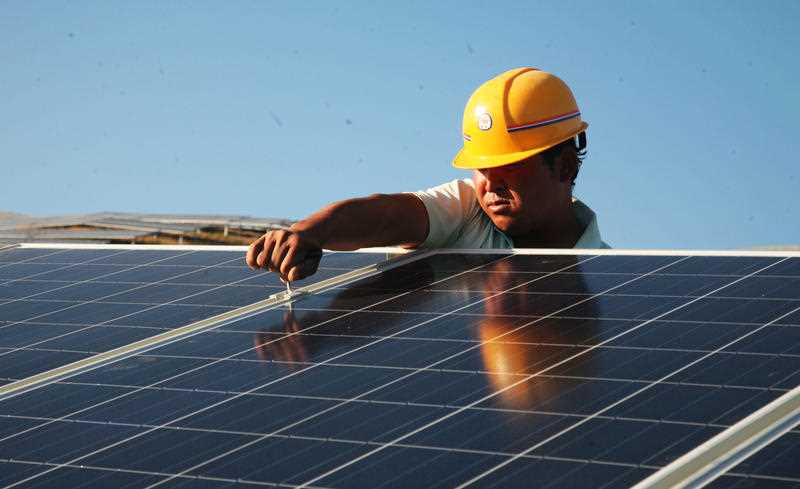
- Rooftop solar saves billions, but renters and First Nations miss out
- Right to Power reports average 49 prepayment disconnections annually per household
- Queensland isolated networks restrict solar capacity in Indigenous communities
Vulnerable groups include low‑income households, renters, single‑parent families, older Australians, and those living in poorly insulated homes. Despite increasing adoption of renewables such as solar, wind, and pumped hydro, the high up‑front investment and network expenses have doubled retail electricity prices from 2009-10 to 2024-25, to an average of $0.29/kWh.
Energy poverty is “particularly severe” in remote Indigenous communities despite near‑universal access. The Right to Power report found that over 65,000 First Nations households rely on prepayment electricity systems, experiencing an average of 49 disconnections per household per year because of affordability issues. Disconnections more than doubled during heatwaves, underscoring the compounding risks from extreme heat.
Reforms have tweaked billing structures, but the ex‑post approach — charging after consumption — continues to expose households to bill shocks and distress. While operating costs for renewables are low, household bills reflect fixed costs in building and maintaining assets recovered through average charges.
Cost, housing conditions, and climate extremes — not grid connection — are identified as the primary drivers of hardship. Most Indigenous housing is public, and barriers to installing solar PV are not solely about income. The research describes how monopoly providers, especially in former missions and remote areas, often restrict rooftop solar installations.
Barriers, regulation, and isolated networks
Prepaid meters are frequently cited by incumbent providers as technical obstacles to solar and storage integration. The research argues the core issues are administrative and commercial. Technical limitations — such as so‑called weak, isolated grids, diesel microgrids, hosting capacity, and voltage control — are used as pretexts, rather than the prepaid mechanisms themselves. Even so, prepaid meters interact with these constraints and restrict household access to solutions like solar power and battery storage, as outlined in the First Nations Clean Energy Network report.
In Queensland, the monopoly provider manages 33 Isolated Networks, 30 of which serve Aboriginal and Torres Strait Islander communities. Strict limits are placed on solar PV capacity, and the provider retains final approval over any third‑party installations. Regulatory bodies like the AER and ACCC have not deemed this policy or regulatory structure problematic, leaving communities reliant on monopolies and exacerbating energy poverty.
In remote Torres Strait communities, families are resorting to burning wood to heat water and cook because electricity and gas costs are prohibitive.