Federal Court to rule on Yindjibarndi compensation
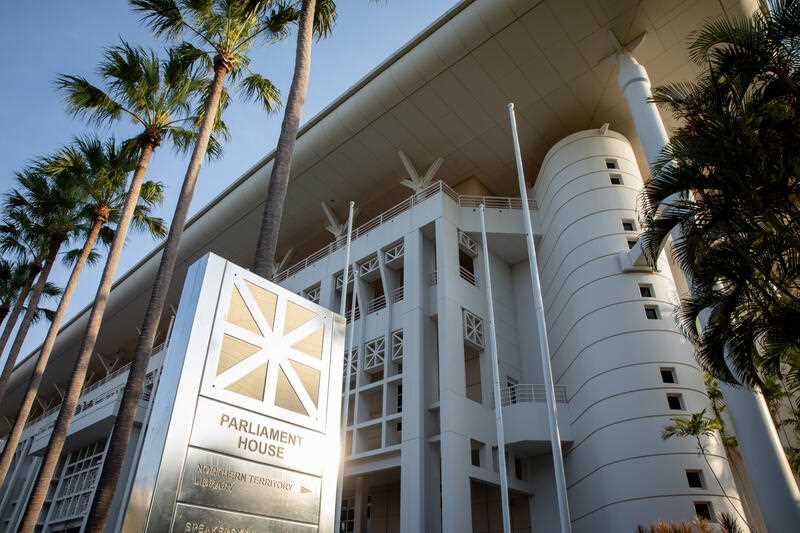
The Federal Court will hand down a landmark compensation ruling at 2pm WST tomorrow that could set a national benchmark for native title damages, deciding how much the Yindjibarndi will receive over Fortescue Metals Group’s mining on their country without agreement since 2013.
Justice Stephen Burley’s decision is expected to clarify both the quantum and who must pay—Fortescue Metals Group (FMG) or the state government—which could shape mining and government conduct across Australia for decades.
Key Points
- Federal Court to deliver compensation decision at 2pm WST Tuesday
- Case concerns FMG mining on Yindjibarndi country without agreement since 2013
- Yindjibarndi won exclusive native title over 2,700 square kilometres in 2017
- YAC seeks one per cent of production value profit plus cultural loss
- Claim includes damage to around 250 cultural sites on country
- Andrew Forrest backed a rival Yindjibarndi group during negotiations
- Decision could set a new benchmark for native title damages
The Yindjibarndi Aboriginal Corporation (YAC), led by Michael Woodley, is seeking one per cent of the production value profit from FMG mines on Yindjibarndi country, along with compensation for the loss of around 250 cultural sites. The claim could exceed $1 billion.
This will be only the third damages determination of its kind. It follows a February ruling that the Northern Territory government pay more than $54 million in compensation to the Gudanji, Yanyuwa, and Yanyuwa-Marra peoples after Glencore’s McArthur River mine was built on their country.
A central question in Tuesday’s ruling is who is liable to pay any award. The court will also grapple with how compensation should be assessed—by royalty-style payments, land value, or other measures that capture intangible cultural loss.
Years-long dispute
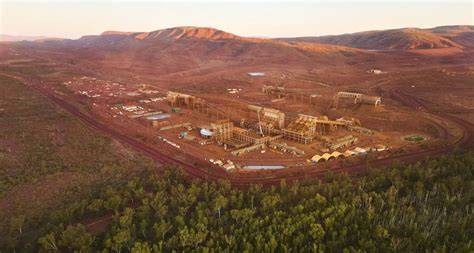
FMG’s Solomon Hub was built on Yindjibarndi country without their agreement. Negotiations with YAC began in 2007, with Yindjibarndi leaders seeking a heritage agreement to protect culturally important sites. No deal was reached.
Andrew Forrest then backed a breakaway group, the Wirlu-Murra Yindjibarndi Aboriginal Corporation, and offered $4 million a year in royalties—far below the five per cent YAC sought, which would have amounted to about $68 million a year at the time.
In 2013, the Federal Court ruled YAC was the only body authorised to sign land use agreements in the area. That same year, FMG began mining at its Firetail operation on Yindjibarndi country after securing government approvals. The division caused by the rival group has not healed, with evidence in the compensation case detailing ongoing anguish within the community.
Recognition of Yindjibarndi rights came in 2017, when a court awarded exclusive native title over a 2,700-square-kilometre area. FMG fought the claim through multiple appeals and later sought to challenge the native title decision all the way to the High Court, which was ultimately refused. Despite the determination, no land use agreement was reached.
History and cultural loss
Aboriginal occupation of the Pilbara stretches back about 50,000 years, with archaeological sites and rock carvings across the region underpinning the native title determination. Contact with white settlers began in the early 1860s, more than 30 years after the Swan River colony was established at what is now Perth. Violent confrontations followed, including the Flying Foam Massacre at the Burrup Peninsula, as colonisation advanced and the resources industry developed.
Pastoral stations were carved out across Yindjibarndi country and Aboriginal people were rounded up for indentured labour. The British dispossessed the Pilbara’s native people under the doctrine of terra nullius—an assumption extinguished by the High Court’s 1992 Mabo judgement, which recognised Aboriginal prior rights to land. The Yindjibarndi lodged their native title claim in 2003; by then, FMG had begun clearing ore-rich land across the claim area and destroying ancient heritage sites as it moved to develop a series of mines.
Other miners in the region, including Rio Tinto, negotiated Indigenous land use agreements with traditional owners—arrangements that included compensation—although those agreements did not prevent the destruction of Juukan Gorge. Against that backdrop, and in the absence of an agreement with YAC, FMG’s mining operations continued after 2013.
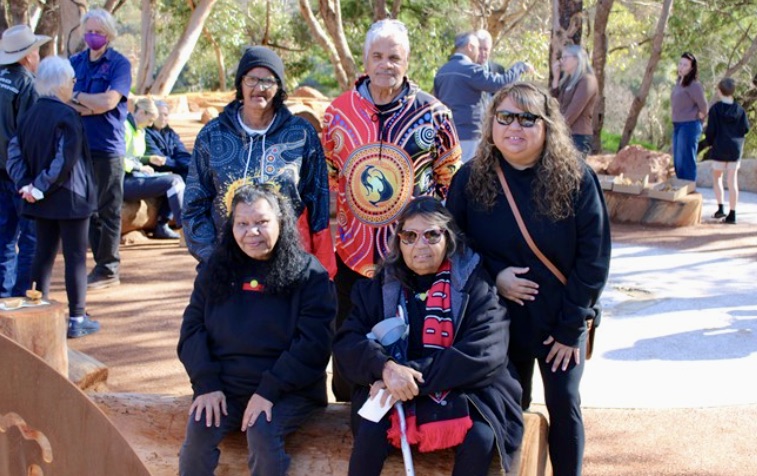
As the community awaits the court’s decision, Yindjibarndi families have emphasised continuity of cultural responsibility across generations, alongside hopes that the ruling will honour the legacies of elders and address losses to country and culture.