Deadly, dedicated and educated: Oorala celebrates 40 years
On April 20 the Oorala Centre at the University of New England will celebrate its 40th birthday.
The centre in Armidale, NSW has offered services, programs and facilities of a nationally recognised standard to Aboriginal and/or Torres Strait Islander students who have chosen to study at UNE for four decades.
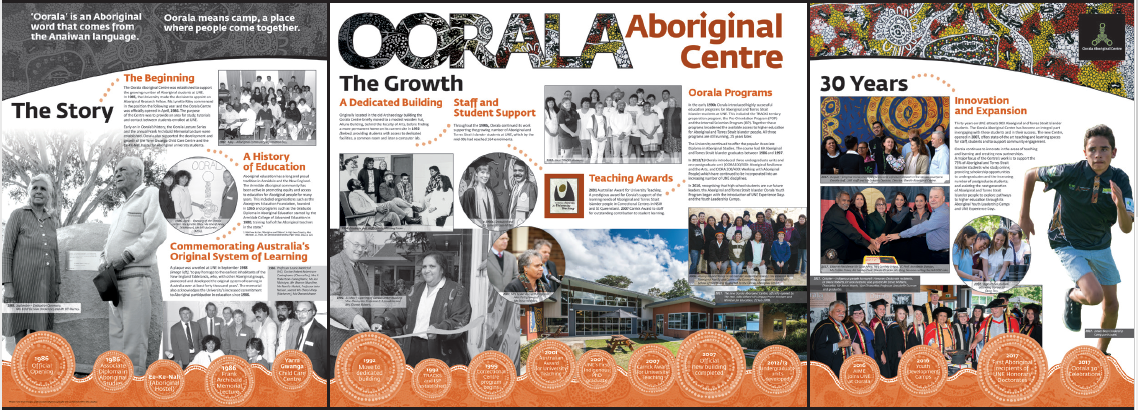
The name Oorala was chosen by Indigenous students enrolled at UNE when the Centre first opened in 1986. It was chosen based on a local Aboriginal word meaning “a camp” or “a place where people come together”.
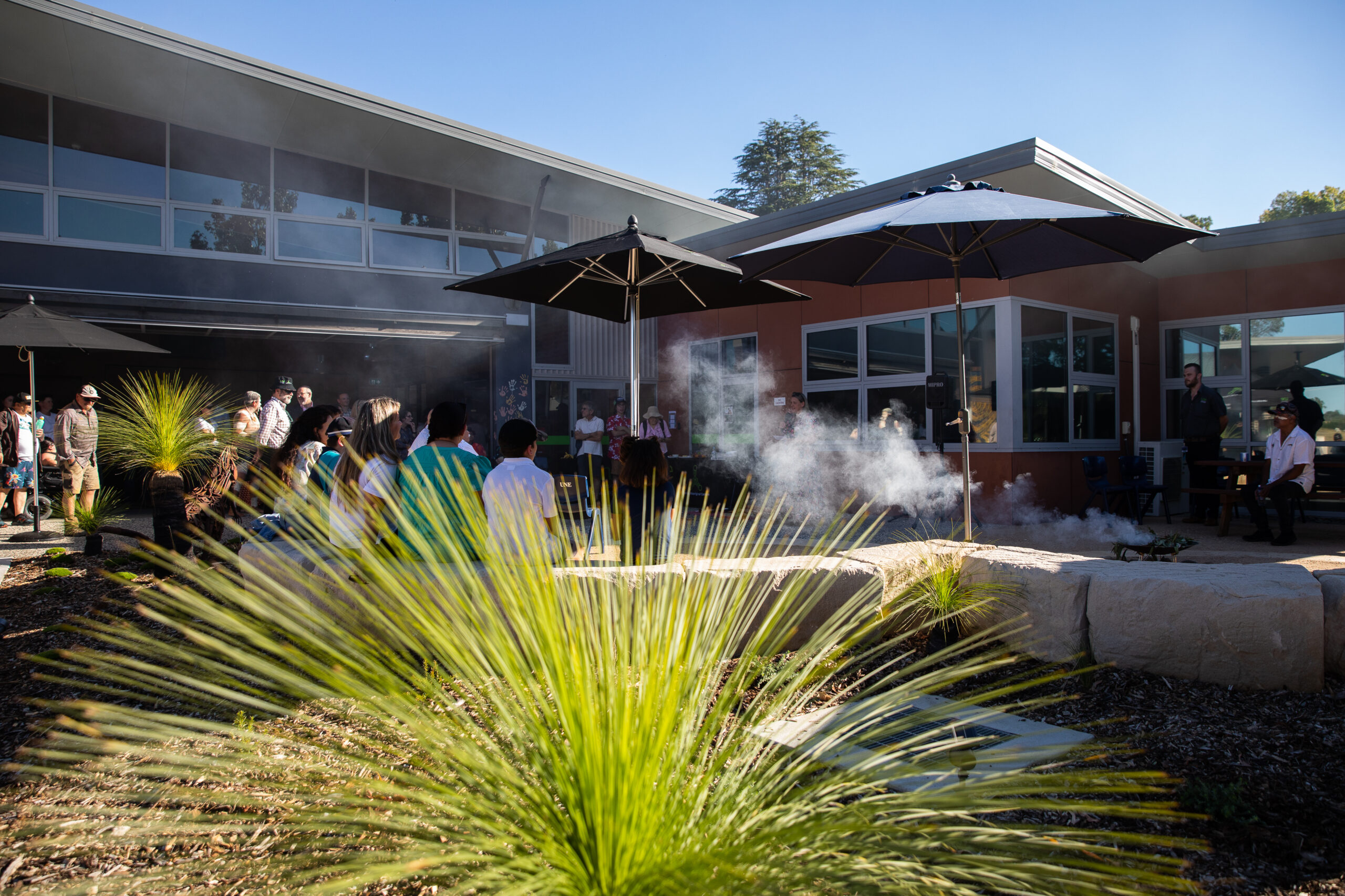
This unique milestone positions the centre as one of the oldest continuously operating Aboriginal and Torres Strait Islander universities in Australia.
The name reflects the historical significance of the site and its connection with the local community. The name also highlights the Centre’s significance as a place that draws together First Nations students from right across Australia.
Key points
- The Oorala Aboriginal Centre (originally known as the Aboriginal Resource Unit) was established to support the growing number of Aboriginal students at UNE. In 1985,
- The University made the decision to appoint an Aboriginal Research Fellow. Lynette Riley commenced in the position the following year and the Centre officially opened in April, 1986.
- The purpose of the Centre was to provide an area for study, tutorials and contact between students enrolled at UNE.
- The new Oorala Aboriginal Centre was officially opened on 22 July 2008 by The Hon. Julia Gillard, MP, former Deputy Prime Minister and Minister for Education.
- In 2012/13 Oorala introduced three undergraduate units and one post-graduate unit.
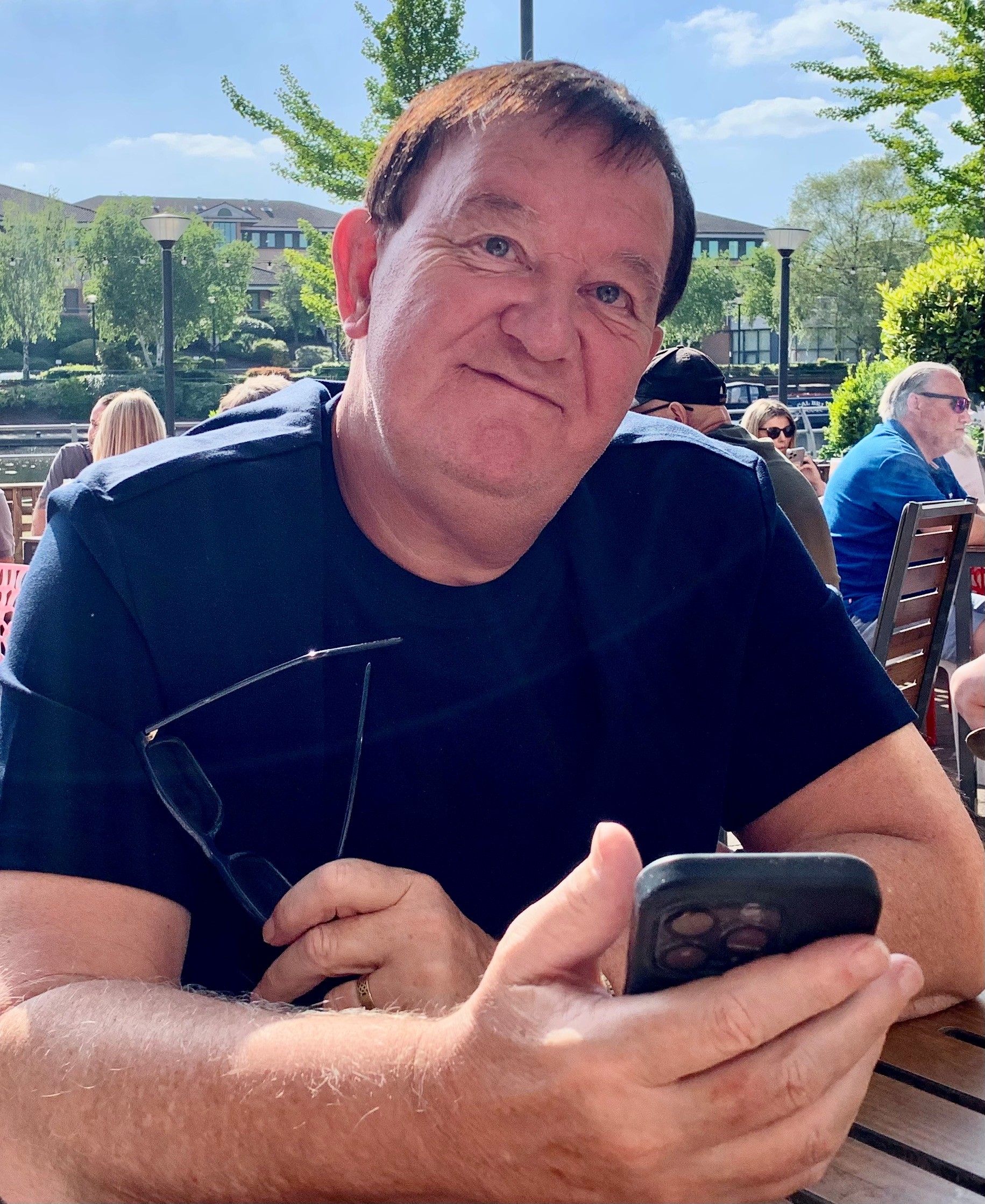
For Sam Fowler, the centre’s director, it’s home. She studied at UNE and graduated via Oorala in 2008 before moving away to work and have a family.
Sam went to school in Woolgoolga on the North Coast of NSW and found Oorala was perfect culturally and educationally to study – and obtain a bachelor of law degree.
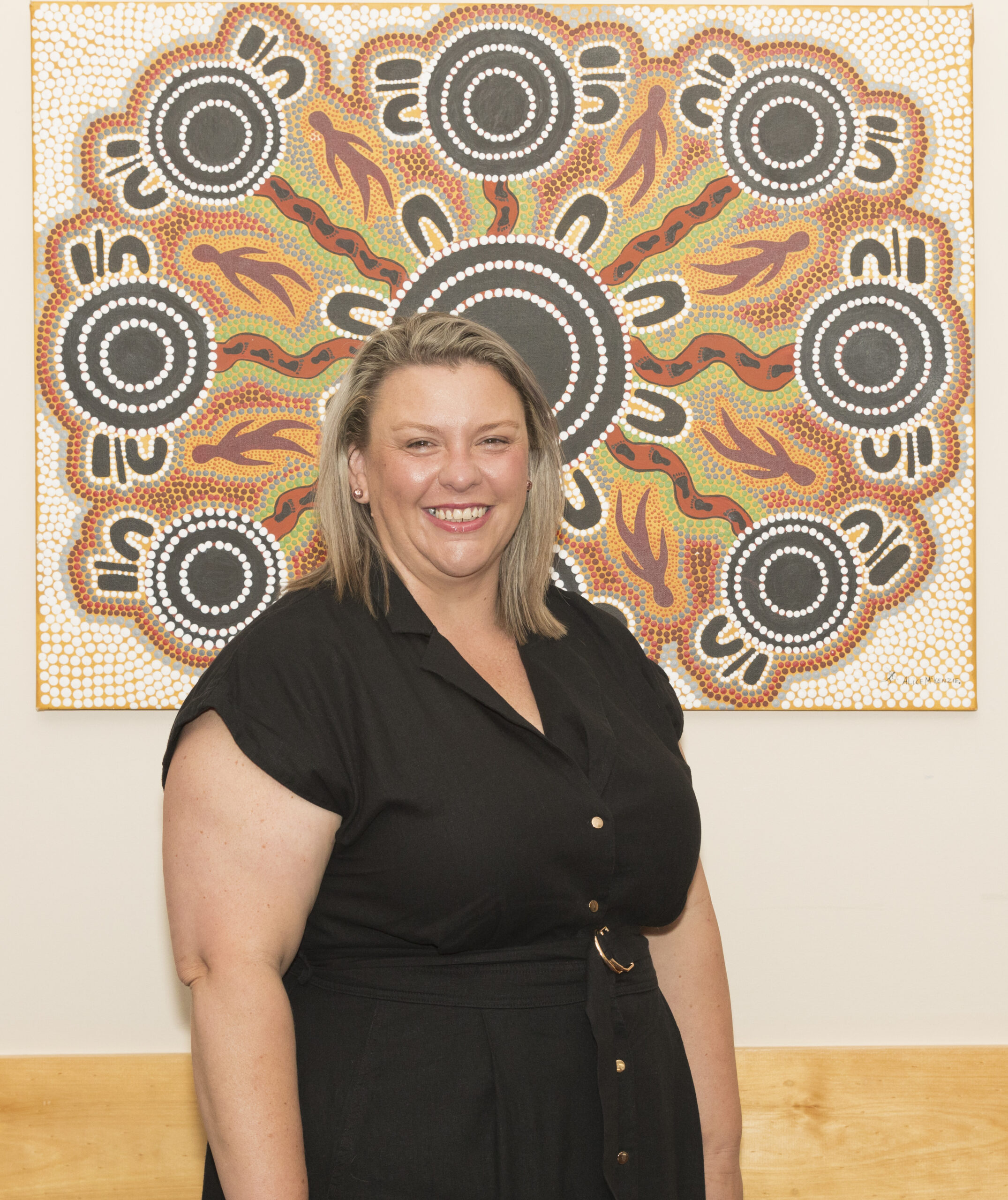
Sam Fowler, the centre’s student director, was also a student there, graduating in 2008.
When she returned a decade later it was in a tutoring role, helping another generation of First Nations kids achieve their goals – goals not that many years before would have been impossible to attain.
Now as the centre’s director, she plays a leading role in creating student support for both on campus students and those who study remotely.
“It’s important we are there as an extension of family for students away from home,” Sam said, emphasising it is all part of the Ronyera Ekina project a national scheme that has helped school leavers move into tertiary education.
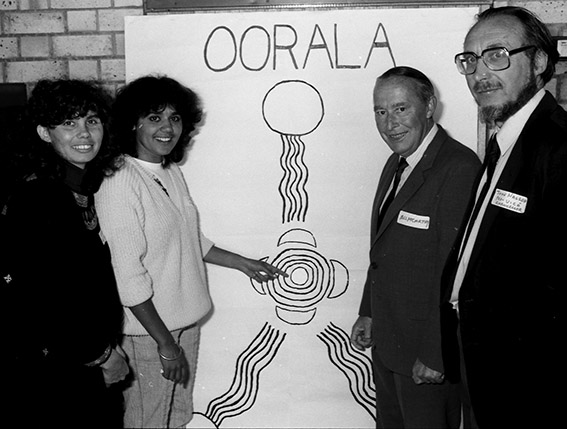
Oorala means “a camp” or “a place where people come together”.
“We work with high schools and design programs with teachers, using our UNE resources to help them connect to the program. We visit schools, students visit us for an on-campus experience – that’s always a big one,” Sam said.
Orientation programs for Y10-12 students are crucial for the success of the program and through Yinga Kara helps to break down barriers and forms a connection between staff and students.
There’s a tracks program where students can ‘try before they buy’ with six units designed to explain what studying at university is like.
“It can very daunting for some students who have never been away from home, or choose to study remotely,” Sam said.
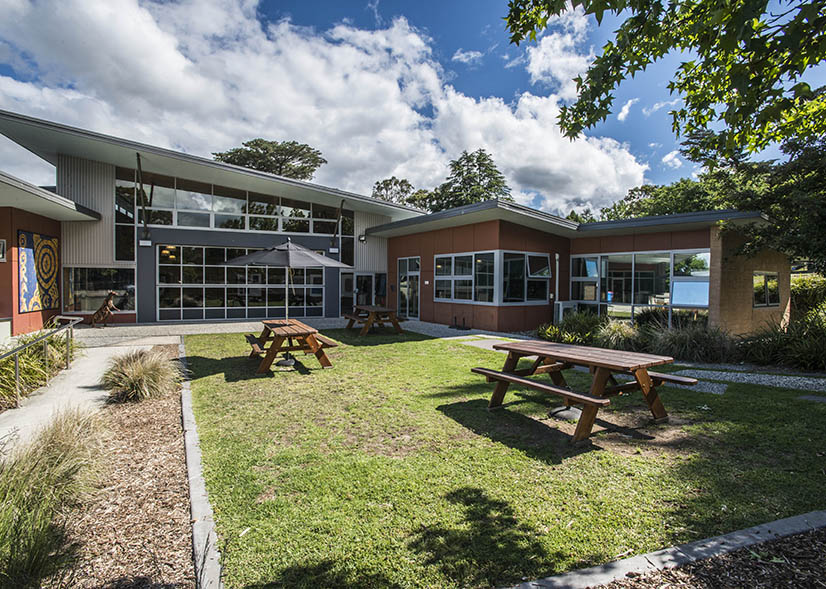
“So we are there to help. We want to improve education outcomes for First Nations people.
“When we started on April 14, 1986, we had one room and three staff. Last year we had over 1100 students across three faculties. Humanities, rural medicine and health, agriculture and many more.”
The centre now has a purpose-built facility with 13 staff.
80-90 per cent of the students are on country so courses have to be designed for online learning. There’s also on-campus face to face learning and for the staff at Oorala it’s a challenge.
Mentoring, advising, online teams meetings – across Australia. And playing a role in the local community.
And there are plans for the future. The centre has a strategy moving forward to engage with more Indigenous students, to offer access to education, that a generation ago would have been unheard of.
‘People succeed when they have community around them,” Sam said.
“The ability to study while you are on country is very important.
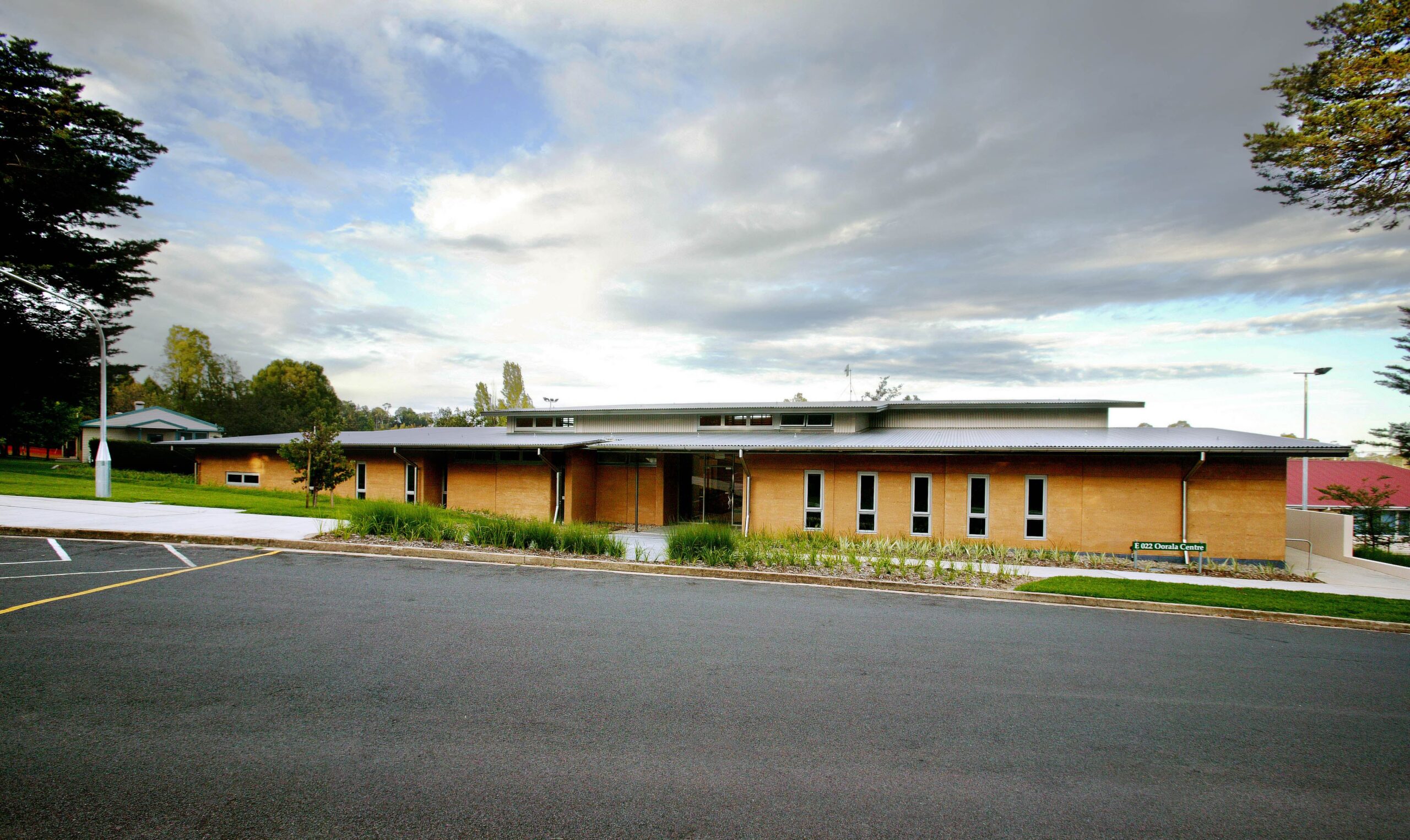
“We are always looking to improve our services, Our Student Experience Team checks in with every student twice a trimester, providing them with a one-on-one opportunity to ask about matters unique to their experience.”
Students will ask about a variety of things, from basic course information to enrolment procedures, scholarships, accommodation at UNE, study load – how many units to study to achieve positive outcomes – and Centrelink study allowances.
Oorala is there for all of that – and more.
“So students are not left alone to study,” Sam said.
“We have 52 tutors who work with our students, many of whom have studied UNE courses and have had Oorala experiences to back them up.”
Sam is a prime example – from nervous student to centre director, passing on her experiences and knowledge to help grow the opportunities for today’s generation.
On April 20 the centre’s founder, Dr Lynette Riley, will return to be part of the celebrations.
Educational opportunities for First Nations students have come a long way since that opening day in 1986 – but, as Closing the Gap figures still show, there is much, much more to be done.