Data centre plan near cultural site scrapped
Indigenous groups and locals who successfully campaigned against a massive data centre east of Perth are calling for changes to the planning system to establish data centres as a distinct land use, rather than classifying them as a “warehouse”.
They say this would prevent inappropriate developments being allowed to proceed by relying on convenient labels, selective planning interpretations, or technical compliance arguments
that did not reflect the true nature and impact of what was being proposed.
“The “warehouse” label does not reflect reality,” the group said in a letter responding to data centre proponent GreenSquare’s May 15 community statement withdrawing the
controversial application in the suburb of Hazelmere on the culturally significant Mandoon Bilya (Swan River) site.
Key Points
- GreenSquare withdrew Hazelmere data centre plan near Mandoon Bilya
- Application faced 1,829 objections, a rally and 4,520-signature petition
- Indigenous groups and residents demand a distinct land-use category
- Critics reject classifying data centres as simple “warehouse” uses
- Concerns cited include 88 diesel generators and 120 MW demand
- Residents say site is beside Helena River and a school
- City of Swan criticised for limited engagement and narrow refusal grounds
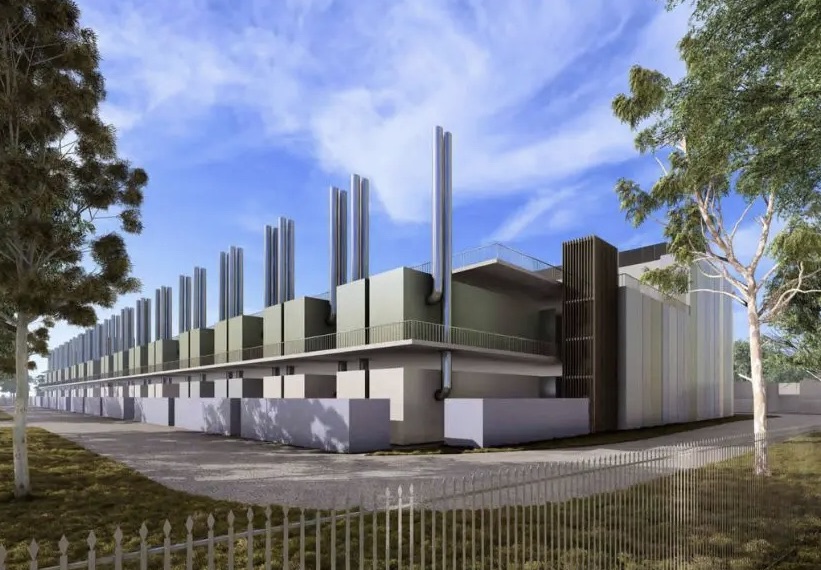
“A data centre is not a passive storage building. It is in fact an “AI factory”, an active computing infrastructure facility with industrial-scale cooling and energy requirements,” the. group said.
Sensitive area
The application, due to be heard at the Metro Outer Development Assessment Panel tomorrow, was formally withdrawn following strong community campaigns which exposed unresolved deficiencies in the application and included 1829 objections, a rally and petition which garnered 4,520 signatures.
In its letter to the City of Swan developer Green Square said that while they had withdrawn the application, they still firmly believed the proposal was appropriate.
Hazelmere and surrounding area residents have hit out at the continued insistence by Sydney-based GreenSquare that the proposal was suitably located, despite being beside a school and riverine environment, and criticised the City of Swan for allowing the application to proceed so far without the knowledge of the community.
“GreenSquare’s letter seeks to present the proposal as responsible digital infrastructure located in an established industrial area,” residents said.
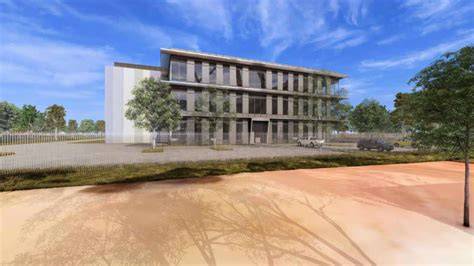
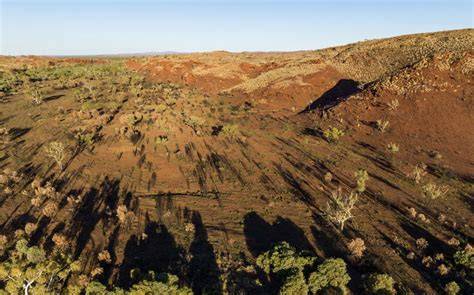
“The site selected is in a Special Use Zone, beside the Helena River (Mandoon Bilya) and immediately adjacent to an operating school. It is not a conventional industrial estate site.
“It is a sensitive riverine interface with clear community, environmental and amenity constraints.
“The proposal was not a benign warehouse. It was a large, power-hungry industrial complex involving 88 diesel backup generators, major fuel storage implications, industrial-scale
cooling systems, a backup battery energy storage system, a 120 MW electrical demand, substantial substation requirements, heat rejection, noise, carbon and water effluent
emissions and significant operating risk.”
No meaningful engagement
The group said the City of Swan had to take responsibility for accepting, processing and refining the application over three years without adequate and meaningful engagement with
the local community.
“The City also failed to follow the planning intent for SUZ15, Precinct 2A of the Hazelmere Enterprise Area Structure Plan, which was intended as a buffer between the Helena River
and industrial land uses south of Stirling Crescent.
“Noise was the only issue relied upon as a formal refusal reason in the City of Swan’s Responsible Authority Report (RAR) to the MODAP despite fuel, a battery electrical supply
system (BESS), heat, water and high-voltage infrastructure details remaining insufficiently addressed.”
Representatives said a great deal of expense, anxiety and avoidable conflict had been imposed on the Hazelmere community.
“The Hazelmere community wants the data centre industry to learn from this experience, as will communities across Australia.
“The residents and community representatives behind the successful opposition to this application will continue to push for a planning system that reflects the true intent of planning controls and the reasonable expectations of affected communities, rather than allowing major industrial proposals to be forced into unsuitable locations through strained
interpretations, inadequate disclosure and inadequate engagement.”