CareFlight strengthens commitment to First Nations reconciliation
CareFlight has launched its third Reconciliation Action Plan (RAP) and second Innovate RAP, outlining a two-year program to strengthen culturally safe aeromedical care and deepen partnerships with First Nations communities across Australia.
The organisation said the plan builds on commitments first formalised in 2016 and reflects its responsibility to ensure respectful, inclusive services, especially in regional and remote areas.
Chief Operating Officer and RAPWG Chairperson, Peter Broschofsky said the RAP represents a continued dedication to strengthening reconciliation efforts and driving meaningful change.
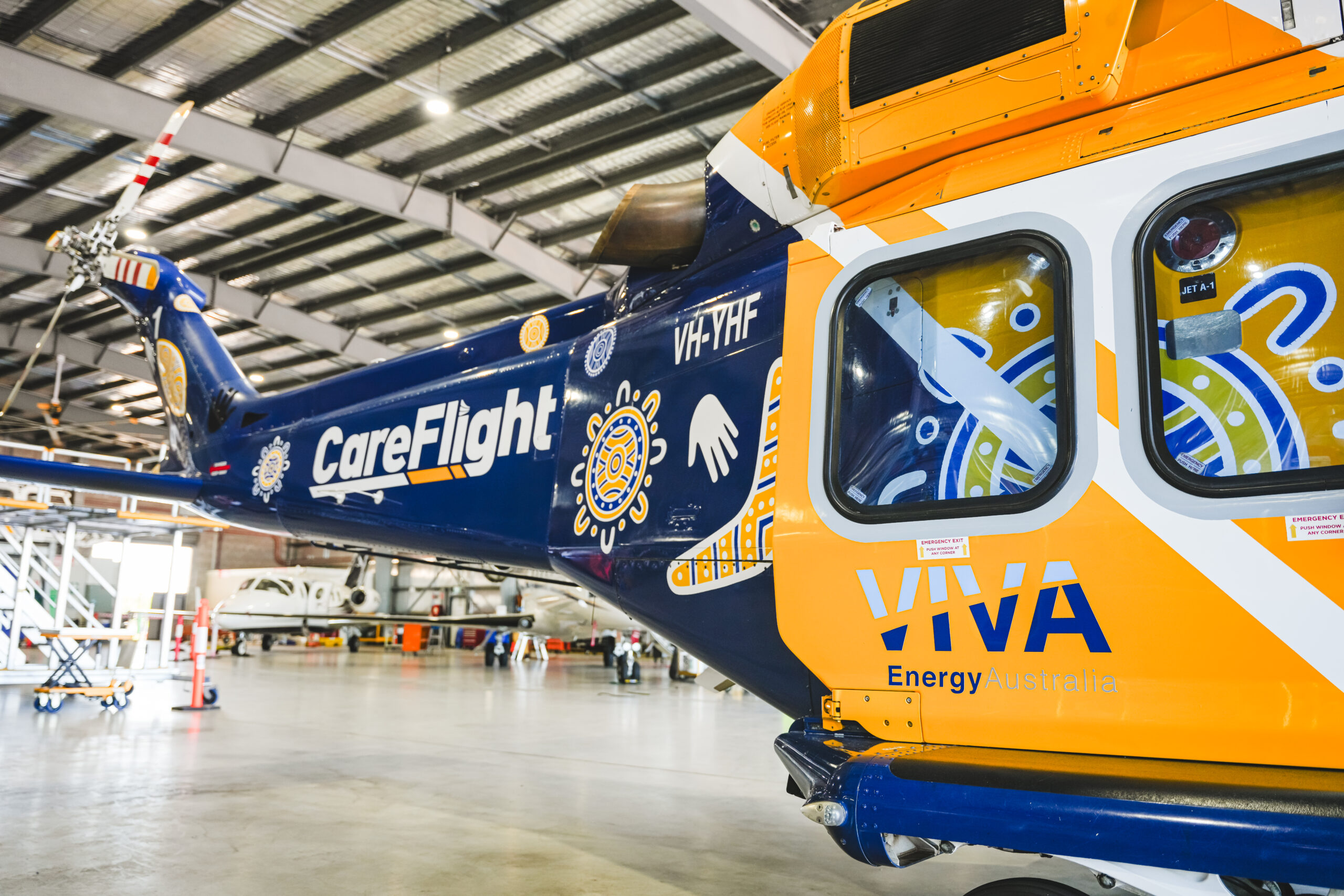
“Reconciliation is central to CareFlight’s vision of being the most advanced integrated aeromedical service, trusted by all Australians. We operate on the lands of many First Nations Peoples and remain committed to empowering communities within our organisation and beyond,” he said.
“We understand that reconciliation is an ongoing journey. This RAP strengthens our commitment to working alongside First Nations Peoples in genuine partnership, supporting self-determination and amplifying First Nations voices in shaping how we deliver care. Our approach is guided by listening, learning, and taking purposeful action that contributes to equity, healing, and shared progress.”
Key Points
- CareFlight launches third RAP and second Innovate RAP across Australia
- Plan builds on reconciliation commitment first formalised in 2016
- Two-year actions include in-language programs and traineeships
- Organisation to expand Community Visit Program and ACCHO ties
- RAP developed with First Nations organisations, leaders and staff
- Launch celebrations set for National Reconciliation Week in May
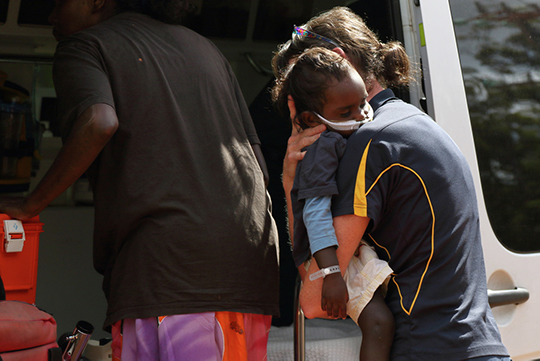
Since 2016, the organisation reported that it has strengthened long‑standing relationships with First Nations communities, particularly where aeromedical services are described as a vital lifeline. The new RAP focuses on deepening these relationships and guiding how care is delivered so it is culturally safe, respectful and inclusive.
Culturally safe care
According to CareFlight, the plan reflects a commitment to working alongside First Nations Peoples in genuine partnership. The organisation emphasised ongoing efforts to support self‑determination and to incorporate First Nations perspectives in shaping clinical and operational delivery.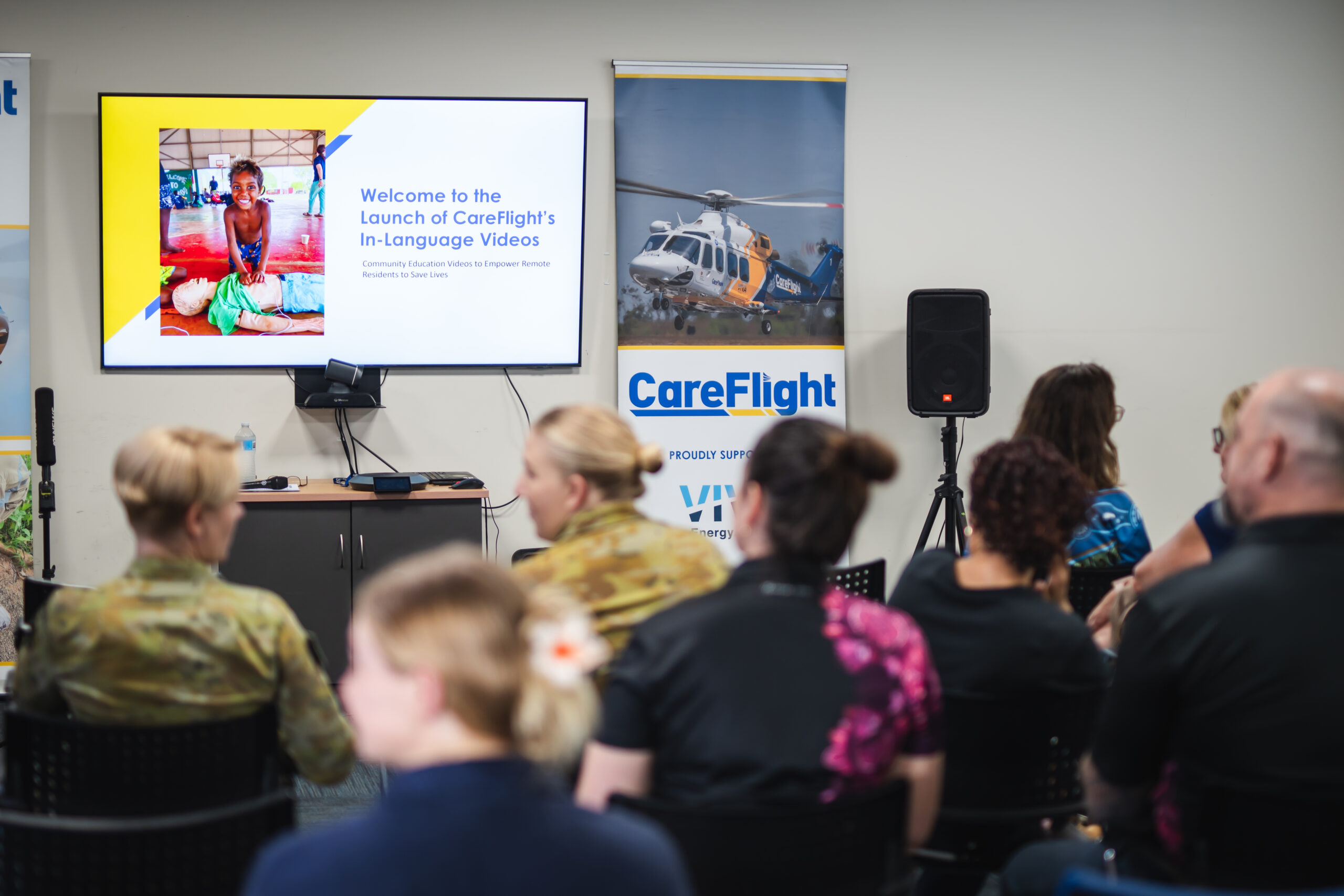
CareFlight’s Chief Operating Officer and RAPWG Chairperson, Peter Broschofsky, said reconciliation is central to the organisation’s vision of being an advanced, integrated aeromedical service trusted by all Australians. He said the organisation remains committed to empowering communities both within its workforce and in the regions it serves.
“We operate on the lands of many First Nations Peoples”
— Peter Broschofsky
Programs and commitments
The Innovate RAP was developed through consultation with First Nations organisations, community leaders and CareFlight’s own First Nations staff. The organisation outlined key actions to be delivered over the next two years, including measures to build an inclusive and culturally responsive organisation.
- Continued investment in in‑language communication programs
- Expanded opportunities for First Nations employment and traineeships
- Commitment to the Employment Pathways program
- Further initiatives to strengthen cultural capability across CareFlight teams
- Ongoing relationship‑building with Aboriginal Community Controlled Health Organisations
- Expansion of the Community Visit Program to maintain engagement across regions served
CareFlight said these actions are designed to deepen trust and strengthen long‑term relationships with First Nations communities, particularly in remote and regional areas where access to timely aeromedical care is critical.
Community‑led relationships
CareFlight’s Community Relations Manager, Justine Williams, said the organisation’s reconciliation journey has matured significantly through the strength of its relationships with First Nations communities. She emphasised that community guidance informs service improvements and supports better patient care.
“Our relationships with communities guide us, challenge us and help us continually improve the way we care for people,” Ms Williams said.
“Reconciliation isn’t a standalone project, it’s a responsibility we carry every day. I’m proud to work for an organisation that champions its RAP at every level, from frontline operations through to leadership.”
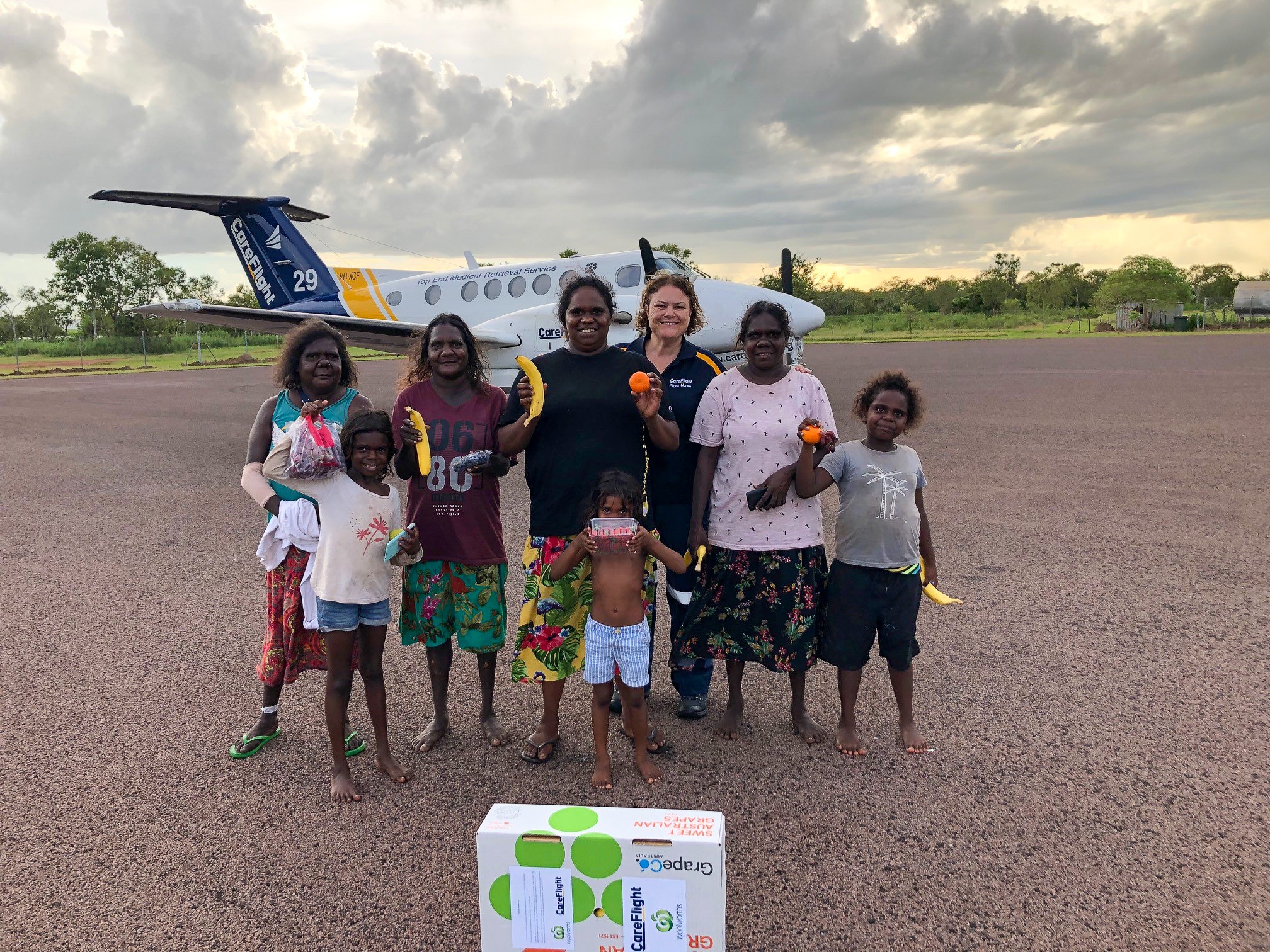
CareFlight will formally celebrate the launch of the Innovate RAP during National Reconciliation Week in May where the organisation plans to host a series of events to mark the release and acknowledge how the RAP principles will be embedded across operations.
CareFlight will also unveil the 2026 RAP artwork, created by a proud Yolŋu woman from the Galiwin’ku community on Elcho Island and is intended to reflect the organisation’s ongoing commitments over the RAP period.
About CareFlight
CareFlight was founded in 1986 as an aeromedical charity with the mission to save lives, speed recovery and serve the community. The organisation now delivers services nationally. Its critical care doctors, paramedics and nurses are specially trained in emergency and trauma, pre‑hospital and remote medicine.
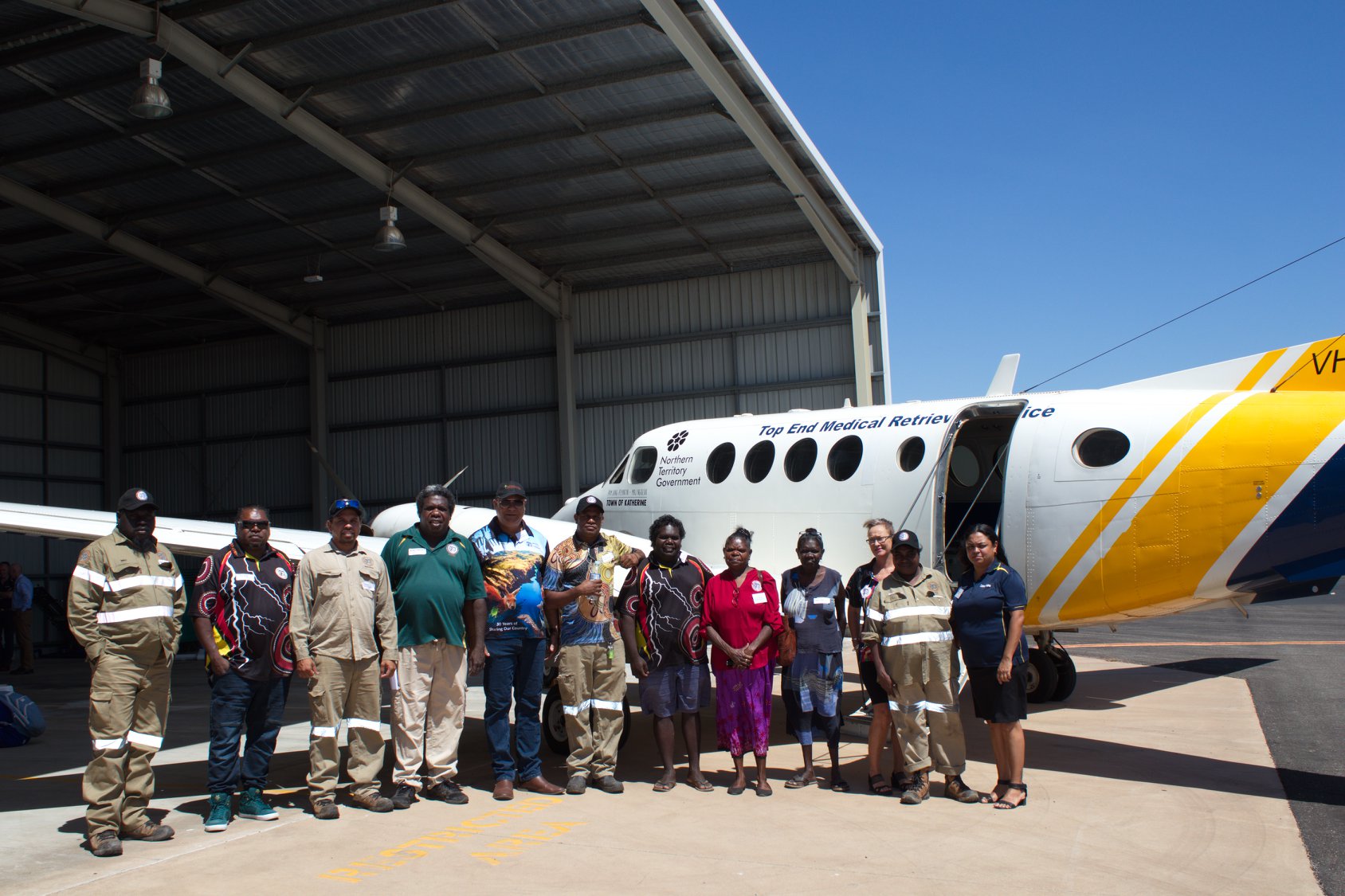
CareFlight uses helicopters, jet aircraft, turbo‑prop planes and road vehicles to reach and treat patients wherever they are, aiming to provide advanced trauma treatment and critical medical care to seriously ill and injured patients as quickly as possible. The organisation stated that its goal is to give patients the greatest chance of recovery so they can resume their lives.
In addition to clinical services, CareFlight runs accredited training for clinical specialists and operates extensive aviation and logistic training for employees and other organisations. It also runs a range of free education and training programs in regional, rural and remote areas, and partners with emergency service organisations, defence forces, local community members and businesses to deliver its expertise.