Call to end rheumatic heart disease in Indigenous communities
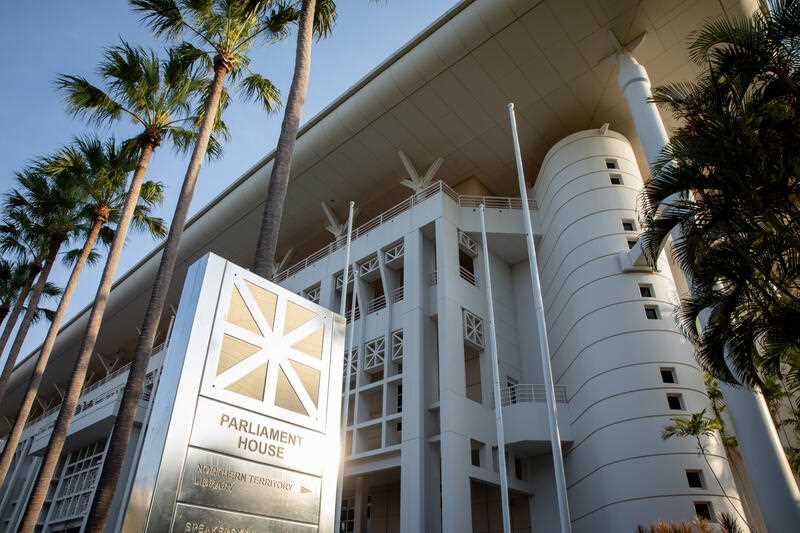
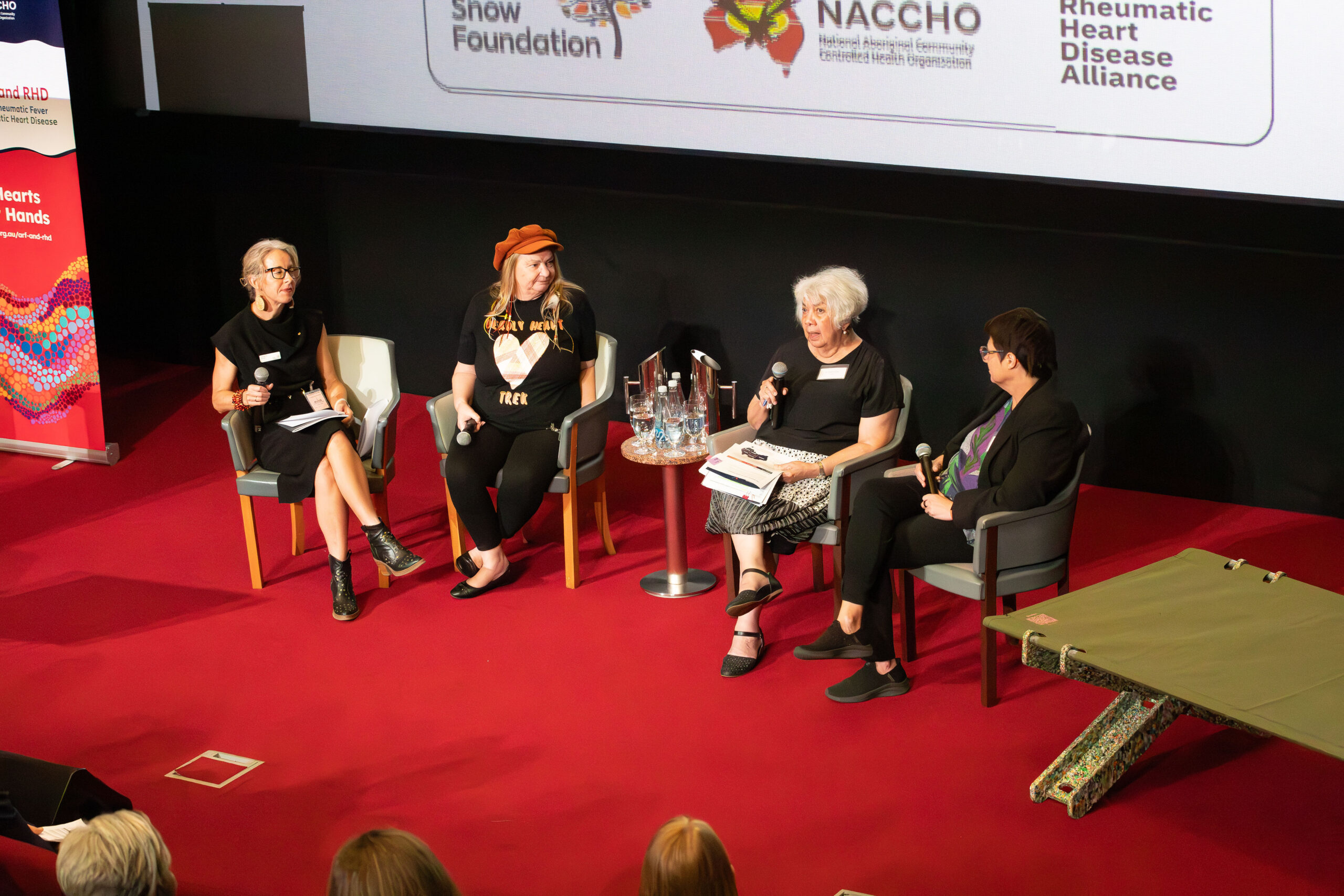
Community leaders, Aboriginal Community Controlled Health Organisations, researchers and parliamentarians have gathered at Australian Parliament House for the launch of the Parliamentary Friends for Ending Rheumatic Heart Disease, co-chaired by Matt Smith MP, Julian Leeser MP and Allegra Spender MP.
Presented in partnership with the National Aboriginal Community Controlled Health Organisation (NACCHO) and the RHD Alliance, the launch strengthens national attention on the work needed to end rheumatic heart disease as a public health issue in Australia.
RHD is an entirely preventable disease that has been almost eradicated in non-Indigenous communities, yet more than 11,000 Australians are currently living with acute rheumatic fever or RHD.
RHD and its precursor, acute rheumatic fever, continue to have a devastating impact on Aboriginal and Torres Strait Islander communities. Despite being eliminated in almost all other first world nations, rates are increasing in Australia, particularly among Aboriginal girls and young children.
Starting with an untreated Strep A infection on the skin or in the throat, RHD is driven by the social conditions of poverty, including overcrowded housing, limited access to hygiene infrastructure and barriers to early treatment.
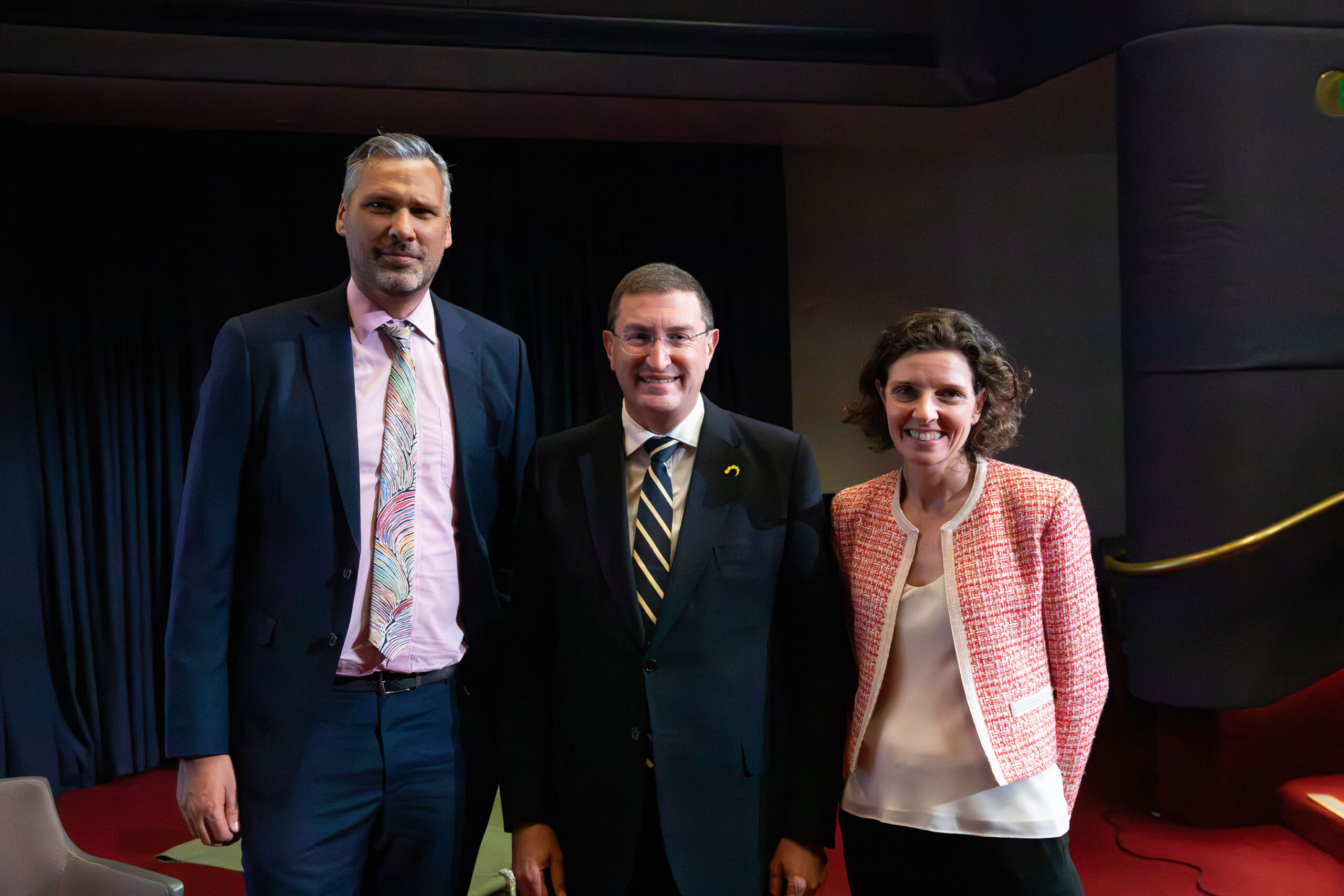
Co-chairs Matt Smith, Julian Leeser MP and Allegra Spender.
NACCHO, as the national authority on Aboriginal and Torres Strait Islander health, is leading Australia’s first ever Aboriginal and Torres Strait Islander community-controlled sector-led ARF and RHD Program.
The RHD Alliance brings together research, clinical, community and philanthropic organisations to support Aboriginal and Torres Strait Islander-led efforts to eliminate rheumatic heart disease by 2030 in line with the National Agreement on Closing the Gap.
Bipartisan forum
Its focus is on backing genuine partnership, shared decision-making and stronger investment in community-controlled approaches, so policy and program delivery are shaped by communities and grounded in what works.
The Parliamentary Friends group provides a bipartisan forum to champion Aboriginal and Torres Strait Islander-led successes, reflect on the important progress that is being made through community-controlled approaches, and maintain accountability for national progress toward eliminating RHD.
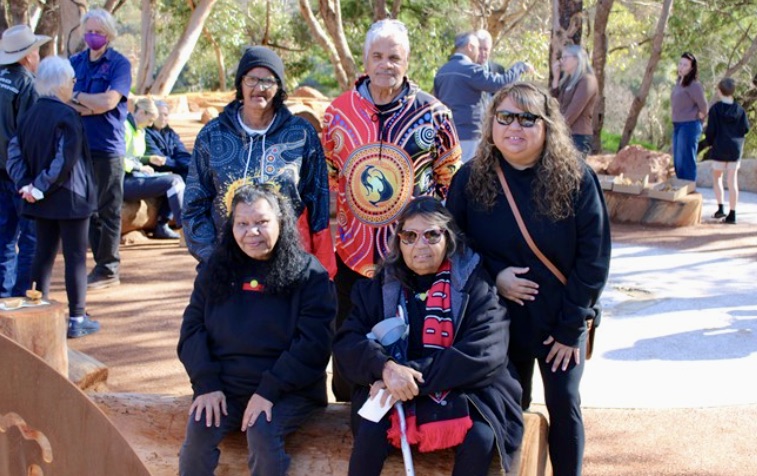
Speaking in support of NACCHO’s leadership, senior Noongar woman, RHD Alliance member and Menzies Associate Professor Vicki Wade said the momentum was being driven by communities.
“Rheumatic heart disease is entirely preventable, yet too many Aboriginal and Torres Strait Islander children, young people and women are still living with the consequences of a disease that should not exist in this country,” Ms Wade said.
“The RHD Alliance, in support of NACCHO-led efforts, brings together lived experience, clinical, research and philanthropic partners to support Aboriginal and Torres Strait Islander leadership, raise awareness of rheumatic heart disease, and build national support for action.”
Long-term investment needed
“We welcome this new parliamentary group and look forward to working with them and other parliamentarians on ending RHD.”
RHD Alliance Convenor and Snow Foundation CEO Georgina Byron said, “The Parliamentary Friends group will help keep rheumatic heart disease in front of decision-makers and strengthen support for the long-term investment needed to end new cases.”
“For 15 years, Snow Foundation has worked alongside partners to help eliminate RHD, backing community and First Nations leadership, and supporting socio environmental and clinical innovation.”
“Philanthropy is proud to support this work but eliminating RHD requires sustained national commitment. Governments must now match this momentum with the long-term investment needed to end rheumatic heart disease for good.”
With growing national and global attention on Australia’s efforts to eliminate new cases of RHD in 2026, the message from Aboriginal and Torres Strait Islander leaders is clear: scale what works and invest in long-term, community-controlled programs so that the next generation grows up free from RHD.