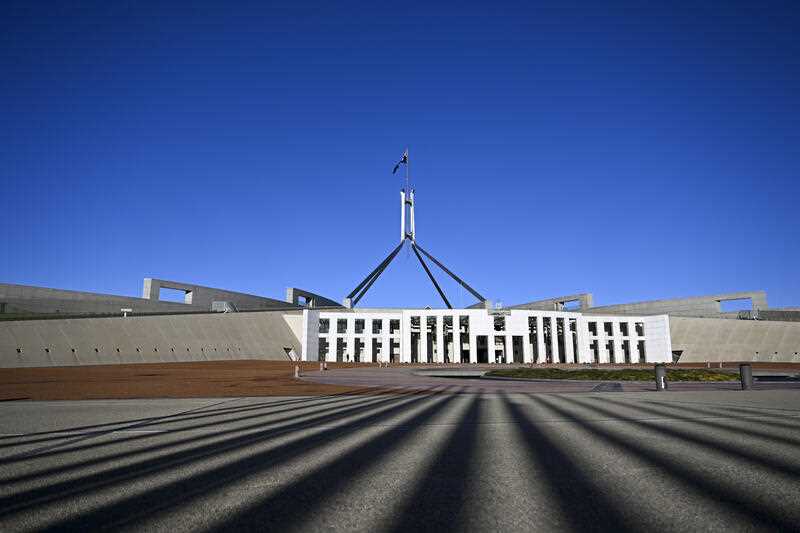
Senate inquiry to hear evidence of systemic racism
Government departments, including Social Services and Aged Care, will appear before a Senate inquiry in Canberra on Friday to give evidence on racism, hate and violence directed at Aboriginal and Torres Strait Islander people.
Submissions portray racism as systemic, widespread and harmful across health, education, employment, housing and justice.
Key Points
- Government departments to give evidence at Canberra racism inquiry Friday
- Inquiry chaired by Senator Jana Stewart received hundreds of submissions
- NIAA cites recent incidents as underscoring need for the inquiry
- Studies show rising reports of racism among First Nations people
- DSS warns of cumulative harms to children and families over time
- Online racism intensified after the 2023 Voice referendum, advisory group says
- Health department flags racism as ongoing risk in healthcare access and outcomes
Senate inquiry and submissions
The Senate inquiry — chaired by Senator Jana Stewart — has received hundreds of submissions from government agencies, academics, legal groups and Indigenous organisations. Many submissions argue racism remains embedded across Australian society and continues to affect the daily lives of First Nations people.
The National Indigenous Australians Agency (NIAA) pointed to recent incidents — including the alleged terror attack in Perth (Boorloo) on January 26, the alleged attacks on Camp Sovereignty by neo-Nazis last year, and the booing of Elders delivering a Welcome to Country on Anzac Day — as examples of racism warranting scrutiny. The NIAA submission stated these incidents underscore the need for the inquiry.
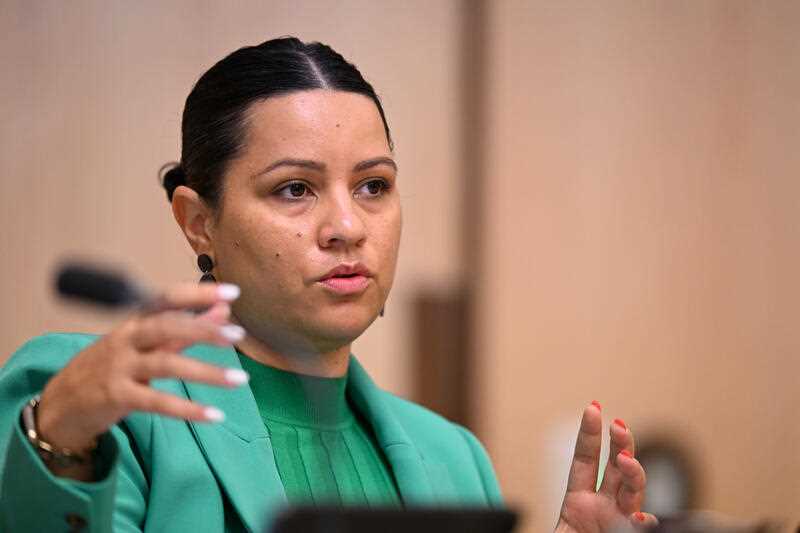
The inquiry will be chaired by Senator Jana Stewart.
“The submissions received by the Committee present a compelling and confronting account of racism experienced across health, education, justice, employment and public life,” NIAA chief executive Julie-Ann Guivarra said.
Evidence of widespread harm
Submissions and studies provided to the inquiry indicate many Aboriginal and Torres Strait Islander people continue to experience racism in everyday life, with reported incidents increasing in recent years.
The 2024 Australian Reconciliation Barometer found 54 per cent of First Nations respondents reported experiencing racism in 2024, up from 39 per cent in 2014. Research from ANU’s 2021 Prevalence of Everyday Discrimination and Relation with Wellbeing among Aboriginal and Torres Strait Islander Adults in Australia study reported consistent links between discrimination and a wide range of negative health outcomes.
The Department of Social Services (DSS) submitted that racism has significant long‑term impacts on children, families and communities, and that experiences of racism, discrimination and prejudice become more common as First Nations children age. Between 2008 and 2021, parent-reported experiences of racism affecting children rose from five per cent in the early school years to eight per cent in adolescence. Over the same period, the proportion of families reporting racism “never” or “hardly ever” fell from around 68 per cent to 51 per cent.
The DSS submission stated that experiences of racism are associated with poorer social, emotional and behavioural wellbeing, lower academic achievement, and higher health and risk behaviours, with earlier exposure linked to more serious and enduring harms. The department argued these harms accumulate across health, wellbeing, education and longer-term life outcomes.
Online abuse and health impacts
The First Nations Digital Inclusion Advisory Group told the inquiry that racism, hate and violence directed at Aboriginal and Torres Strait Islander people is systemic and deeply embedded in online environments. The group said digital spaces had become a primary arena where racism is created, amplified and experienced, often with minimal editorial control or accountability.
Research cited by the group found 68 per cent of First Nations children have experienced hurtful or nasty treatment online, compared with a national average of 45 per cent.
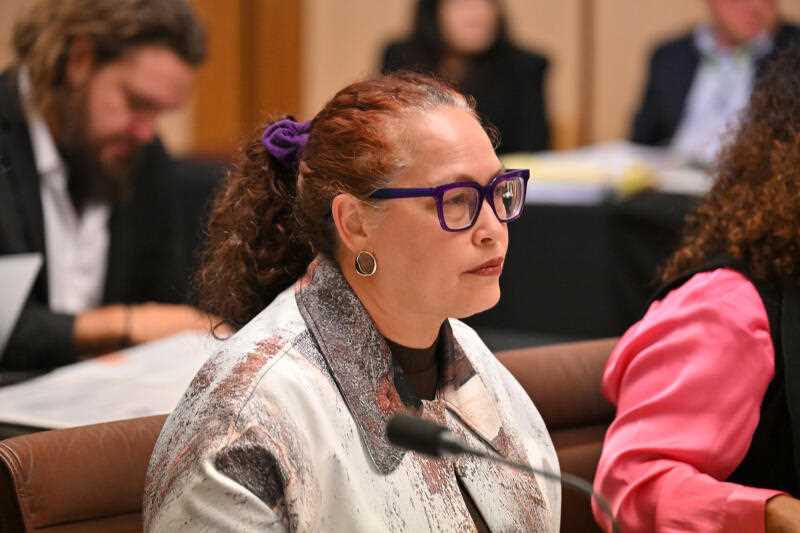
NIAA chief executive Julie-Ann Guivarra.
First Nations children are almost three times more likely to encounter online hate speech, while around three in ten have received offensive comments based on their personal characteristics, compared with one in ten children overall. The advisory group said online racism intensified following the 2023 Voice referendum, with First Nations journalists, presenters, leaders and public figures targeted by racial slurs, coordinated harassment, abuse and attempts to delegitimise Indigenous expertise.
Cultural safety in care
In health, the Department of Health, Disability and Ageing said racism against Aboriginal and Torres Strait Islander people iwas increasing and continues to impact health, wellbeing and access to healthcare.
Drawing on data from ANU’s Yardhura Walani National Centre for Aboriginal and Torres Strait Islander Wellbeing Research, the department reported that racism remained pervasive before, during and after the Voice referendum and coincided with declines across several wellbeing indicators, including increased psychological distress and anxiety, lower happiness and life satisfaction, reduced feelings of acceptance and declining self‑reported health.