CASWA urges urgent action as WA social housing falls
The Council of Aboriginal Services Western Australia has called for urgent action after new national data showed social housing is not keeping pace with need in Western Australia.
The organisation said Aboriginal-led providers are carrying escalating risk without adequate resourcing as demand intensifies.
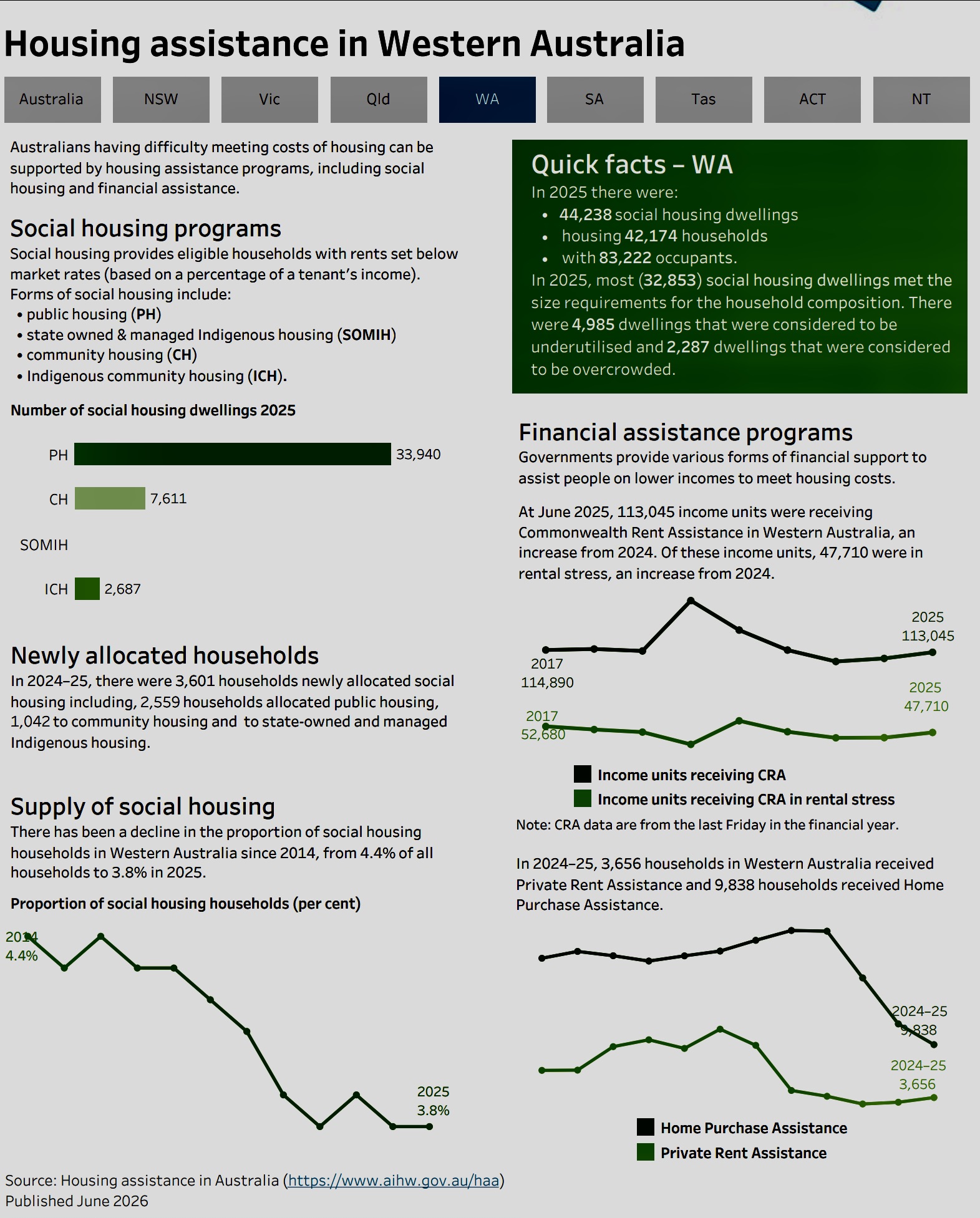
The Australian Institute of Health and Welfare’s Housing assistance in Australia 2025 report found the proportion of social housing households in Western Australia fell from 4.4 per cent in 2014 to 3.8 per cent last year. The figures were released on 23 June 2026.
According to the report, WA’s social housing stock last year comprised 2687 indigenous community homes, 7611 community housing properties and 33,940 public properties. In the 2024-2025 financial year, 3601 households were newly allocated social housing, including 1042 community or state-owned and managed indigenous housing.
Key Points
- CASWA demands urgent response to Western Australia’s housing crisis
- AIHW data shows WA social housing households fell to 3.8 per cent from 4.4 per cent in 2014
- WA stock last year: 2687 indigenous community homes, 7611 community housing, 33,940 public properties
- 3601 households newly allocated social housing in 2024-2025, including 1042 indigenous housing
- ACCOs described as an unfunded safety net for tenants with complex needs
- Southern Aboriginal Corporation and MRAC seek support as Tier 3 providers
- MRAC proposes modular builds and revitalisation of long-vacant public housing
CASWA Chair Chris Bin Kali said Aboriginal Community Controlled Organisations were increasingly being leant on by governments as a “system stabiliser” in social housing, absorbing risk without adequate resourcing.
“Across Western Australia, ACCOs are increasingly acting as the “system stabiliser” for tenants with complex needs. We’ve become the unfunded safety net — catching families the system lets fall,” Mr Bin Kali said.
“Our members consistently report that they are supporting tenants who are at significant risk of eviction, homelessness or crisis escalation, often because mainstream systems are either unable or unwilling to engage in culturally safe and sustained ways.”
Mr Bin Kali said ACCOs step into these spaces because of their cultural authority, community trust and commitment to keeping Aboriginal families connected to housing, community and country, but the work was unsustainable.
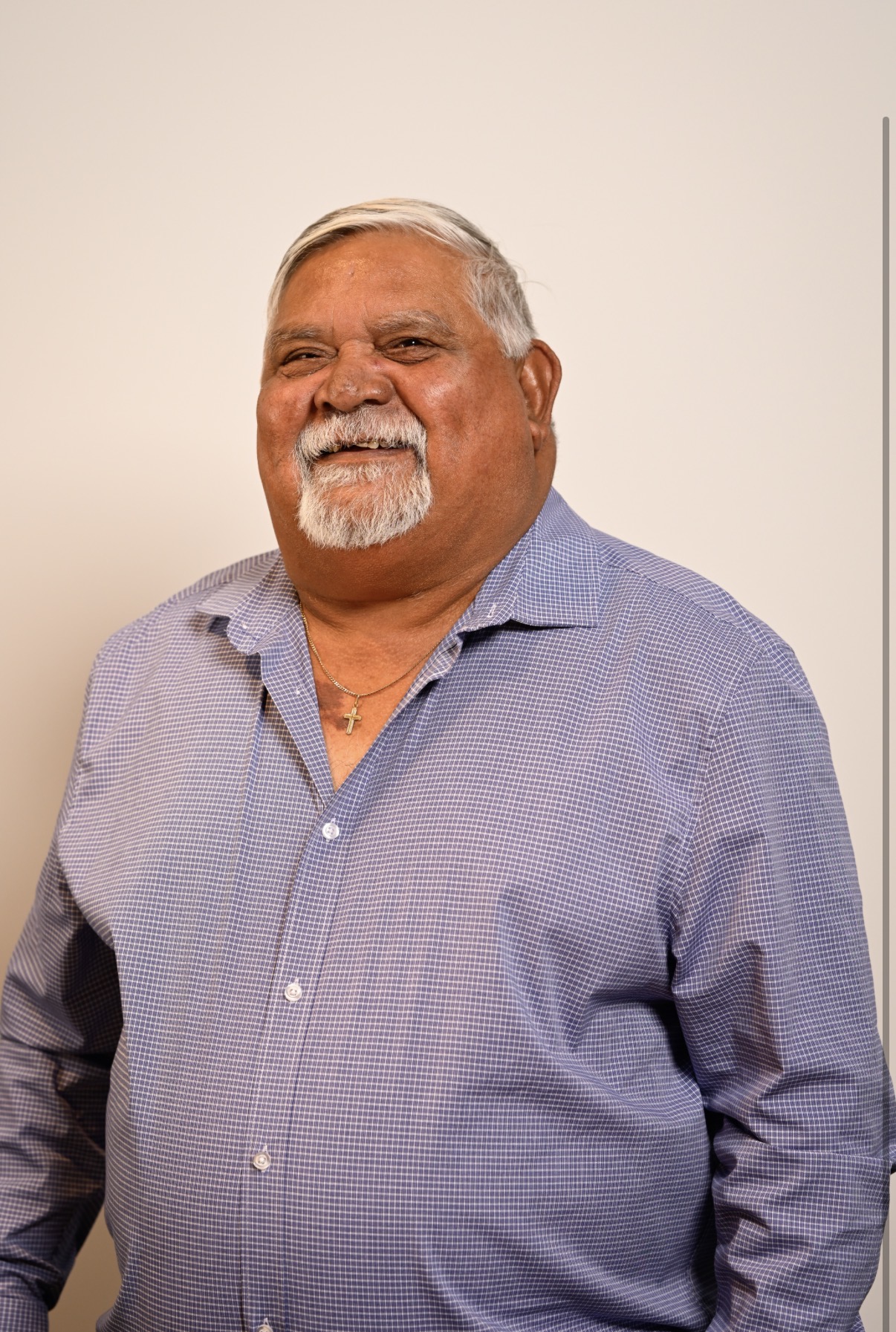
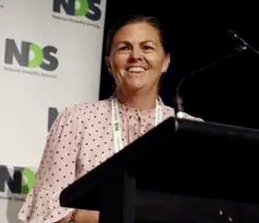
CASWA Chair Chris Bin Kali.
Several ACCOs have also lobbied to become registered community housing providers, to help improve the housing crisis by getting people off public housing waiting lists and into homes.
Southern Aboriginal Corporation Asha Bhat said the latest housing figures should be a “wake-up call” for governments across Australia.
“While demand continues to grow, the proportion of social housing in Western Australia has fallen, leaving thousands of vulnerable families trapped in housing stress, overcrowding, or at risk of homelessness,” Ms Bhat said.
“Aboriginal Community Controlled Organisations are carrying an enormous responsibility as the frontline responders for people with complex and intersecting needs. We are not only helping people find housing, we are helping them navigate family violence, mental health challenges, financial hardship and intergenerational disadvantage. We are holding communities together while the housing crisis deepens around us.
“Southern Aboriginal Corporation took the significant step of becoming a Tier 3 community housing provider because we believed it would create pathways for more Aboriginal-led housing solutions.
The reality is that accreditation without housing stock achieves very little. “If governments are serious about Closing the Gap, they must move beyond consultation and invest directly in Aboriginal controlled housing.”
The Murchison Region Aboriginal Corporation (MRAC) has released a plan to boost social housing by combining rapid modular construction with the revitalisation of long-vacant public housing in an Aboriginal-led approach to deliver housing within months.
MRAC Chief Executive Officer Brodie Pearce said after long advocating for better housing, the corporation had successfully achieved registration as a Tier 3 community housing provider but was yet to receive appropriate support or benefits to effect major change.
“MRAC successfully achieved tier 3 registration as a community housing provider in 2024; the second Aboriginal housing provider in WA,” Mr Pearce said.
“Since that time MRAC has continued to advocate for housing and submitted multiple grant proposals for housing stock support.
“MRAC continues to advocate that WA follow eastern states’ government public housing policy with a proven model over decades of providing direct housing stock and support to the community housing sector. This has seen the eastern states community housing sector flourish in contrast to WA’s slow response.”