Indigenous artwork makes its way to Denver
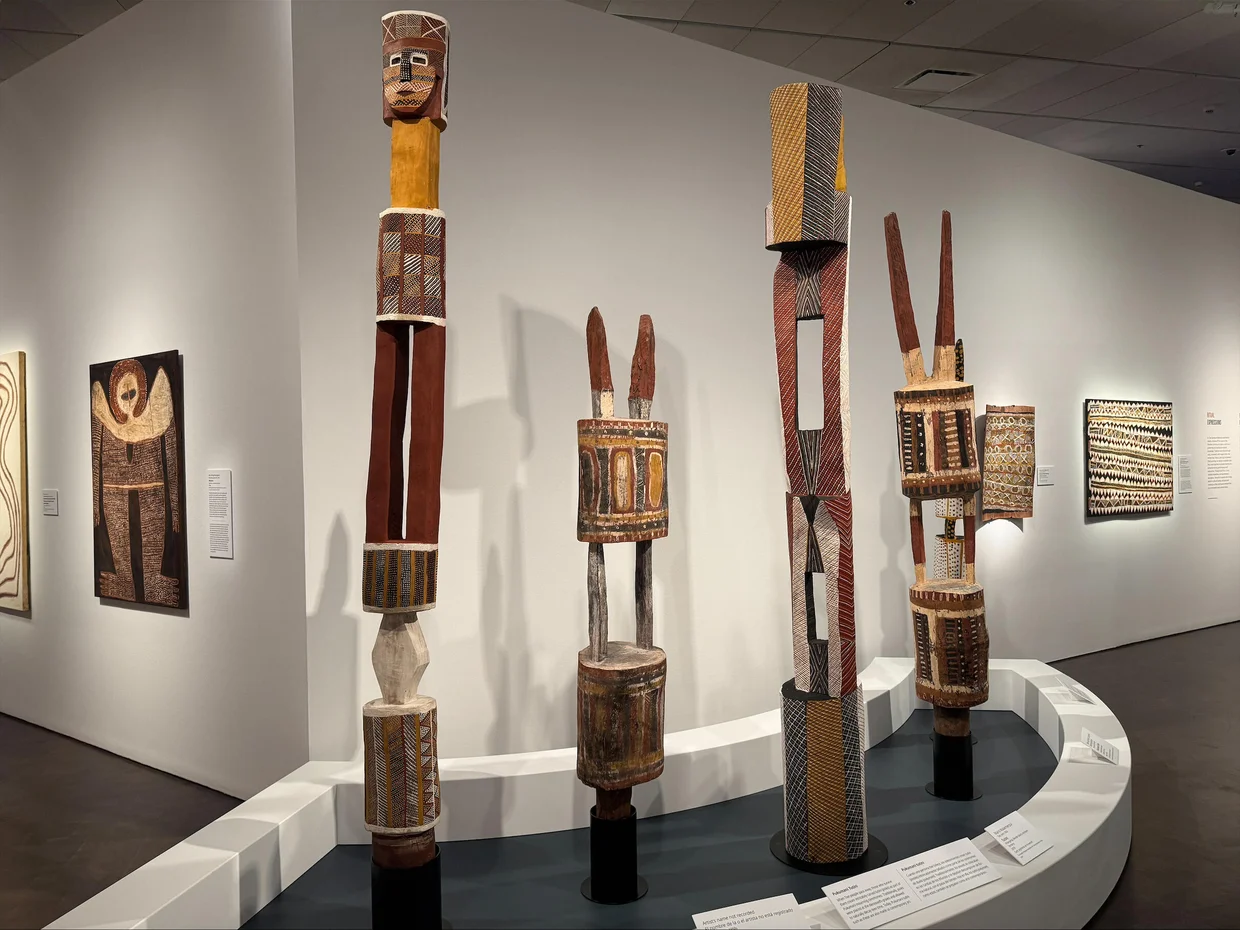
Indigenous artwork will debut at the Denver Art Museum this weekend in an exhibition titled “The Stars We Do Not See,” marking the first time this body of work has ever left Australia.
Curators have described the show as a wide-ranging presentation of works by many Australian Indigenous artists.
The artworks centre on some of the oldest living continuities of knowledge on Earth, spotlighting the land, sky, waters, living beings, ancestral knowledge, and spirituality.
Key Points
- Australian Indigenous artwork arrives at Denver Art Museum for first time abroad
- Exhibit titled ‘The Stars We Do Not See’ opens Sunday, April 19
- Show runs until July 26, with free admission for visitors under 18
- Works span paintings on eucalyptus bark to neon light sculptures
- Artists use natural pigments and brushes made of human hair
- Focus on land, sky, waters, beings, ancestral knowledge, spirituality
- Curator highlights parallels with impacts of colonialism and racism
The cultural traditions represented in the show trace back more than 65,000 years — a span the museum notes includes more than 2,000 generations — with pieces made from items found across Australia.
Materials and methods
The exhibit features a range of Artists who have created works that include paintings on eucalyptus bark and neon light sculptures. Some practitioners use natural pigments applied with homemade brushes fashioned from human hair, underscoring the close relationship between materials, knowledge, and place.
John Lukovic, the head of native arts for the museum, said the exhibition offers visitors an opportunity to engage with practices from beyond the United States.
“It’s a way of helping our visitors connect”
— John Lukovic
“The Stars We Do Not See” is framed around enduring relationships with Country, cosmos, and community. The exhibit highlights how artists convey ancestral knowledge through material choices and motifs that bind land and sky with waters and living beings. The curatorial text emphasises continuity and transmission — a throughline from remote antiquity to contemporary practice.
By assembling works that draw on items found across Australia, the museum underscores the grounding of these arts in local ecologies. The use of natural pigments and bark, alongside contemporary mediums such as neon light, illustrates how artists engage time-honoured methods while employing tools that speak to present-day contexts.