ASIC expands in NT after report into Indigenous customers’ high bank fees
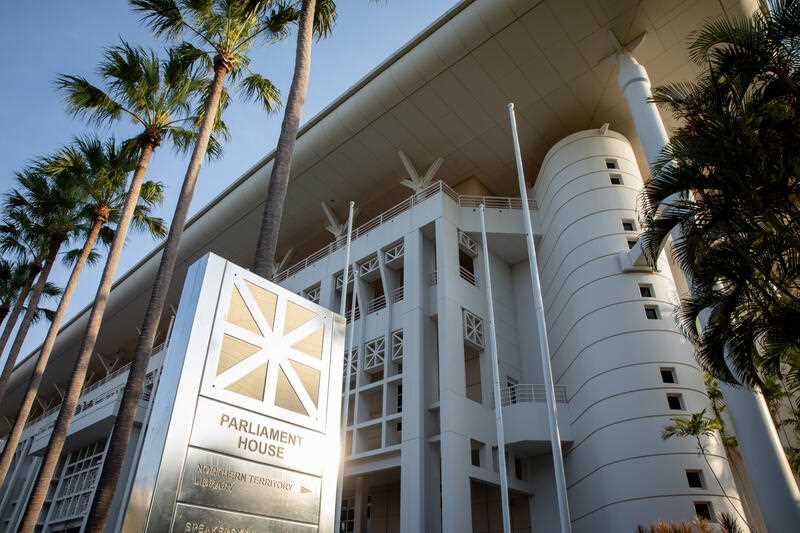
The Australian Securities and Investments Commission (ASIC) has opened a new office in Darwin, expanding its Northern Territory footprint after a probe found widespread high-fee banking practices affecting remote First Nations customers.
ASIC confirmed it had expanded its presence in the Territory, citing the need to hold banks and financial institutions in regional communities to account.
The independent government body, which regulates assets and financial services nationwide, said the new office opened in Darwin on Thursday.
Key Points
- ASIC opens a new Darwin office after a decade with one NT staffer
- Expansion follows reports into high-fee accounts affecting Indigenous customers
- More than 150,000 customers paid about $6 million in avoidable fees
- Central Australia flagged as a hotspot in ASIC’s investigation findings
- Joe Longo cites need for stronger enforcement in remote communities
- NAAJA welcomes moves addressing digital exclusion and banking barriers
- Westpac’s 2022 Tennant Creek closure drew public sanctions from BCCC
Between 2015 and 2025, ASIC employed just a single person in the NT. Around 10 people now work out of the new office on Smith Street, according to outgoing ASIC Chair Joe Longo, who said the expansion will allow ASIC to enforce regulation in remote communities and strengthen on-the-ground oversight.
Mr Longo described the decision as one of the initiatives he is most proud of as he prepares to finish his term at ASIC. He said the expanded team enables the regulator to better identify risks early, intervene sooner and support communities before harm occurs.
“I want ASIC to be more effective from a law enforcement perspective,” he told the ABC.
Investigation into high-fee accounts
The move follows ASIC’s Better Banking for Indigenous Customers investigation and report. The landmark 2024 report, and its 2025 follow-up, identified thousands of instances where banks kept Indigenous customers with low incomes in high-fee accounts despite eligibility for low-fee options.
Key findings:
- More than 150,000 customers paid around $6 million in transaction fees
- Customers would not have incurred these fees in eligible low-fee accounts
- Central Australia was identified as a hotspot for the issue
Mr Longo said he understood that banks were refunding the money. He added that ongoing challenges tied to digital exclusion, particularly in remote areas, increase the importance of ASIC’s regional presence and oversight, especially as financial services adopt more online delivery models that may not involve direct human interaction.
The North Australian Aboriginal Justice Agency (NAAJA) said it welcomes any move that prioritises the safety of Aboriginal Territorians and noted frequent engagement with clients encountering banking issues. A NAAJA spokesperson said their teams routinely work across multiple consumer concerns affecting First Nations people in the NT.
The spokesperson said entrenched digital exclusion — including bad internet access, branch closures, language barriers and culturally mismatched online banking — aligns with the patterns reported by ASIC. They said those conditions echo what NAAJA has seen in client cases involving high-fee accounts that were highlighted in ASIC’s report.
Regional banking pressures
Across remote regions in the NT, several towns and communities have faced a shortage of banking options in recent years. In 2022, the closure of the Westpac branch in Tennant Creek resulted in the Banking Code Compliance Committee placing public sanctions on the bank.
ASIC linked its NT expansion to improving oversight of financial institutions operating in regional and remote communities. The regulator said strengthening local staffing and physical presence would help ensure that banks and other providers meet obligations and that vulnerable customers are protected.