Aged care reforms failing Elders, sector warns
The Queensland Aboriginal and Islander Health Council has warned that Australia’s aged care reforms are failing Aboriginal and Torres Strait Islander Elders and has called for immediate government action to close critical gaps.
In a statement on Monday, the Council said Aboriginal and Torres Strait Islander Elders continue to face significant disadvantage under the new Support at Home co-payment model. QAIHC said the approach fails to recognise long-standing inequities including limited access to superannuation, lower rates of home ownership, and greater reliance on government payments.
Key Points
- QAIHC says current reforms are failing Aboriginal and Torres Strait Islander Elders
- Support at Home co-payments overlook long-standing financial inequities
- Interim First Nations Aged Care Commissioner role seen as inadequate
- Community-controlled providers face growing administrative and financial pressures
- Transition from CHSP reduces flexibility and low-barrier preventative supports
- Sector calls for permanent Commissioner and long-term funding for Indigenous providers
- Government says reforms centre older First Nations Australians but more to do
The warnings followed QAIHC’s recent two-day Elder Care Workshop, where Interim First Nations Aged Care Commissioner Andrea Kelly discussed the widening gap between what communities need and what the system is designed to deliver. The Council said community-controlled health providers are under increasing pressure as a result.
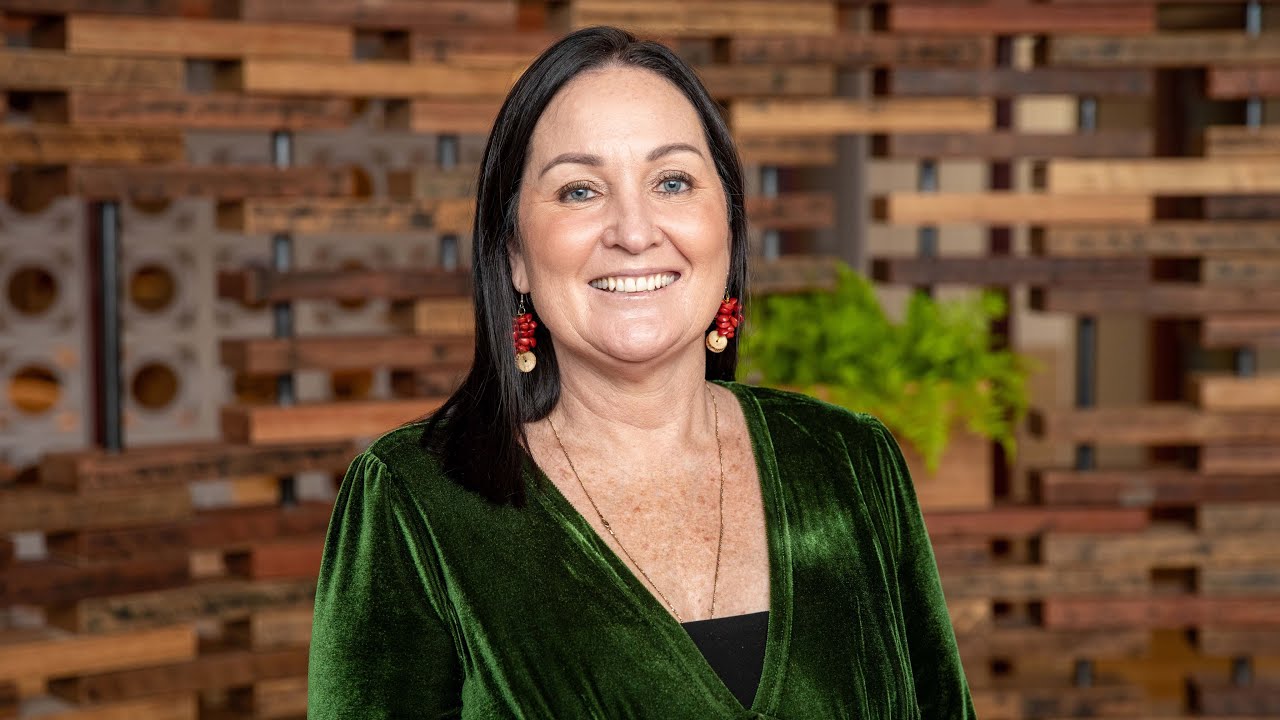
Interim First Nations Aged Care Commissioner Andrea Kelly.
Leadership concerns
QAIHC highlighted that five years after the Royal Commission into Aged Care Quality and Safety, and two years after her appointment, Commissioner Kelly continues to serve in an interim capacity. Ms Kelly said the continuing interim status sends a troubling signal about the level of government commitment to reform.
She also rejected the idea that Aboriginal and Torres Strait Islander Elders are choosing to leave aged care programs, saying many are forced out by systemic barriers.
QAIHC’s acting chief executive Paula Arnol said reforms introduced in November 2025 will worsen inequities unless governments involve communities in designing solutions.
She said the current measures are not addressing realities faced by many Aboriginal and Torres Strait Islander Elders and warned that, without urgent change, reforms intended to strengthen aged care risk causing lasting harm to the very people they are meant to support.
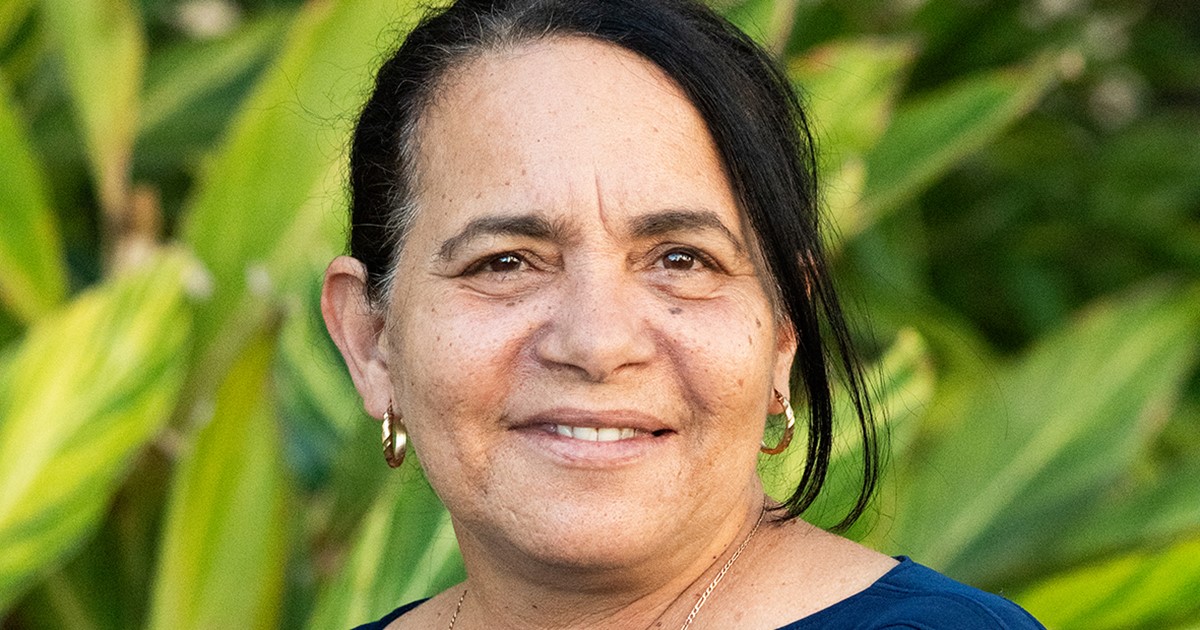
QAIHC’s acting chief executive Paula Arnol.
QAIHC said Elders were enduring financial barriers and services that do not meet cultural needs. Gregory Richards, QAIHC General Manager of Sector Development, said that without real collaboration and support for community-controlled providers, reforms risk deepening inequality rather than closing it.
The Council also warned that the transition from the Commonwealth Home Support Programme (CHSP) to Support at Home is reducing flexibility and removing low-barrier, preventative supports relied upon by Elders to remain independent.
Providers under strain
QAIHC said community-controlled aged care providers—often the most trusted and culturally safe services—face growing administrative, regulatory and financial pressures under the reform agenda.
Many lack the resources to absorb these burdens, placing their long-term viability at risk, the Council said. QAIHC contrasted this with the stronger capacity of large for-profit providers to adapt, raising concerns about widening gaps in service quality, cultural safety and accessibility.
Goolburri Deputy CEO Trent Adams said that while Goolburri is working to adapt to the new modelling, it is inherently placing larger risks on organisations through compliance and liability. He said the shift is affecting corporate governance and requiring boards of directors to become operationally involved.
Mr Adams said the Commonwealth Home Support Programs have a solid foundation and good track record and need to continue, adding that Support At Home is not mature enough for such a vulnerable and growing cohort.
QAIHC and sector partners urged governments to take immediate steps to prevent further harm. They called for formal, empowered leadership, community-led design, and reliable funding tailored to Aboriginal and Torres Strait Islander Elders and providers.
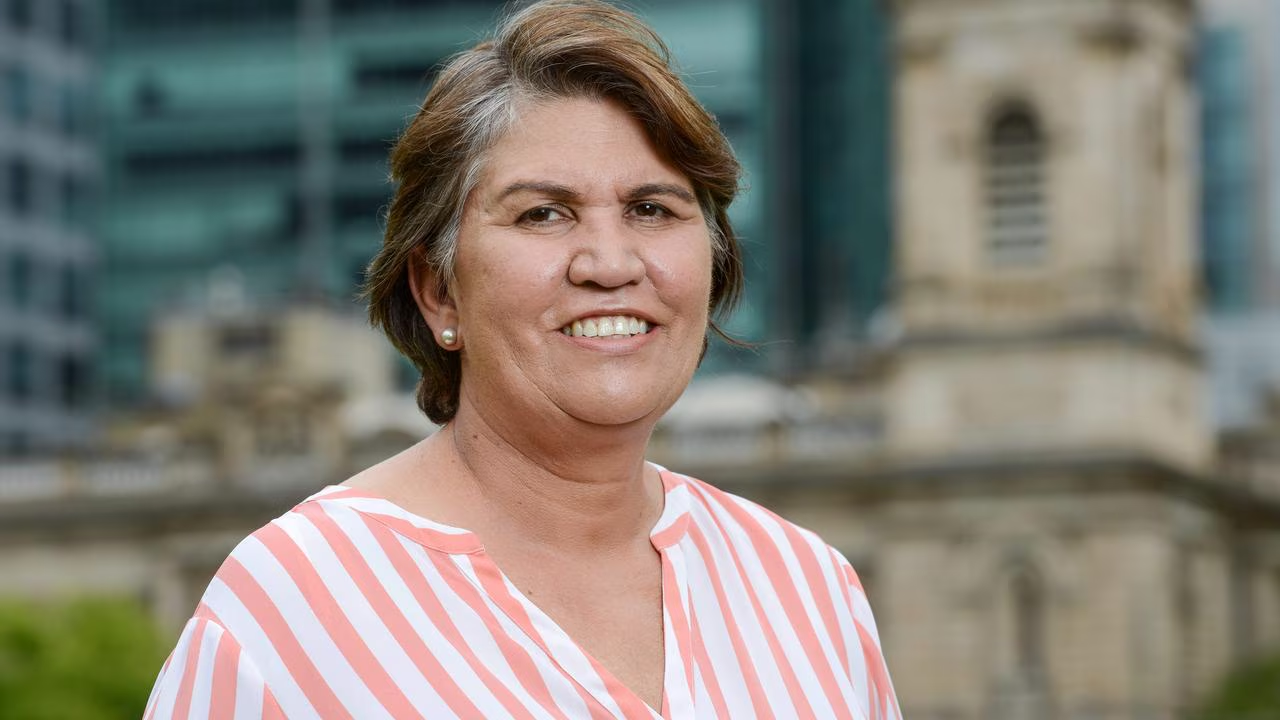
Senator Kerrynne Liddle, Shadow Assistant Minister for Health and Aged Care.
Political response
Senator Kerrynne Liddle, Shadow Assistant Minister for Health and Aged Care, said the Federal government “talks about respect for Elders at every event, but what vulnerable people need is real action that matters to them”.
She said the government’s reforms are failing Aboriginal and Torres Strait Islander people and risk widening the gap rather than closing it, adding that evidence—not ideology—must respond to the reality for vulnerable people.
A spokesperson for Federal Minister for Age Care, Sam Rae, said the government’s aged care reforms are building a high-quality, safe, respectful and sustainable system that puts older First Nations Australians at the centre of their care.
The spokesperson said every older First Nations Australian has a right to aged care services that meet their physical and cultural needs, and acknowledged that more work is required.