Josiah celebrates milestone in diabetes care
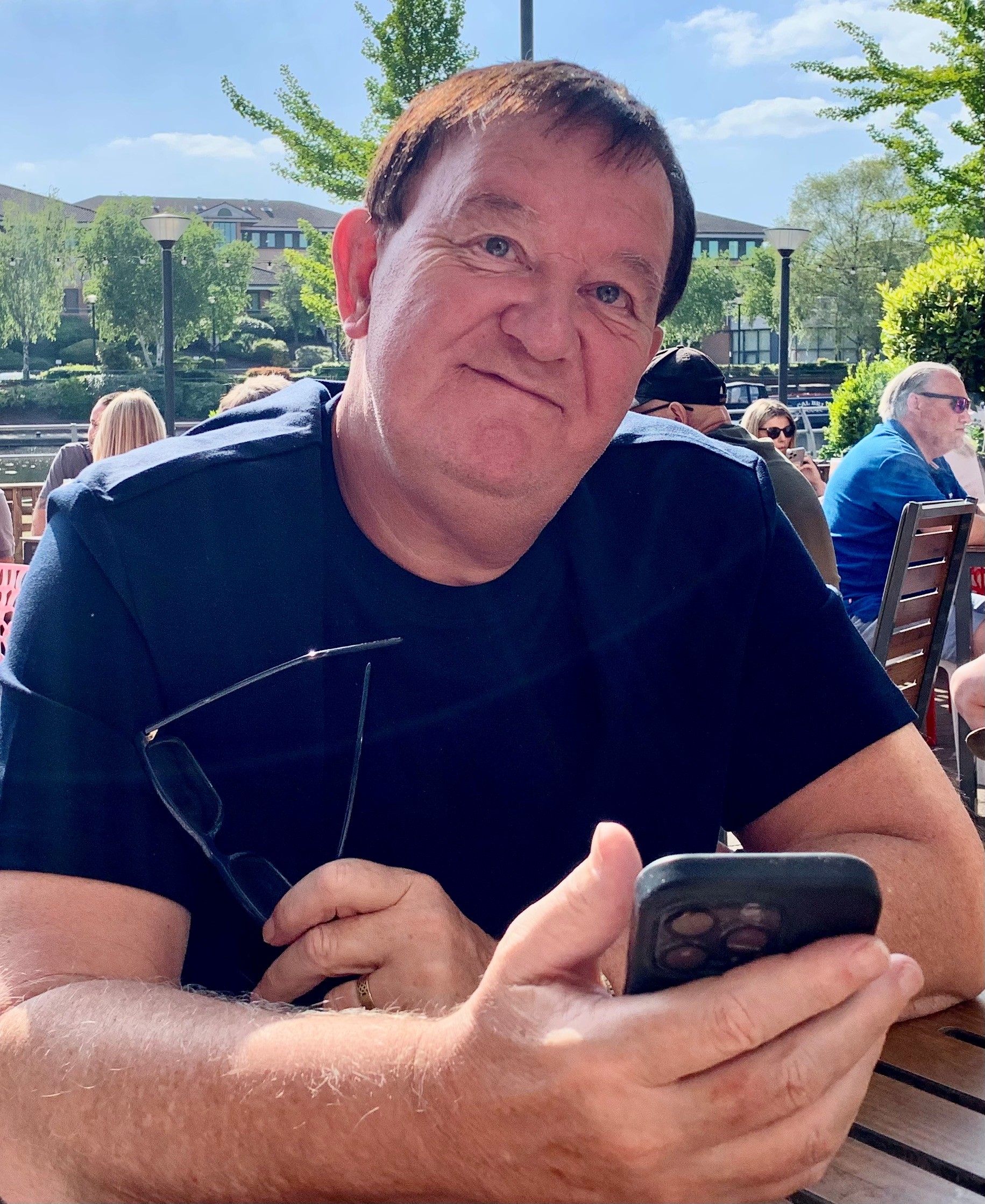
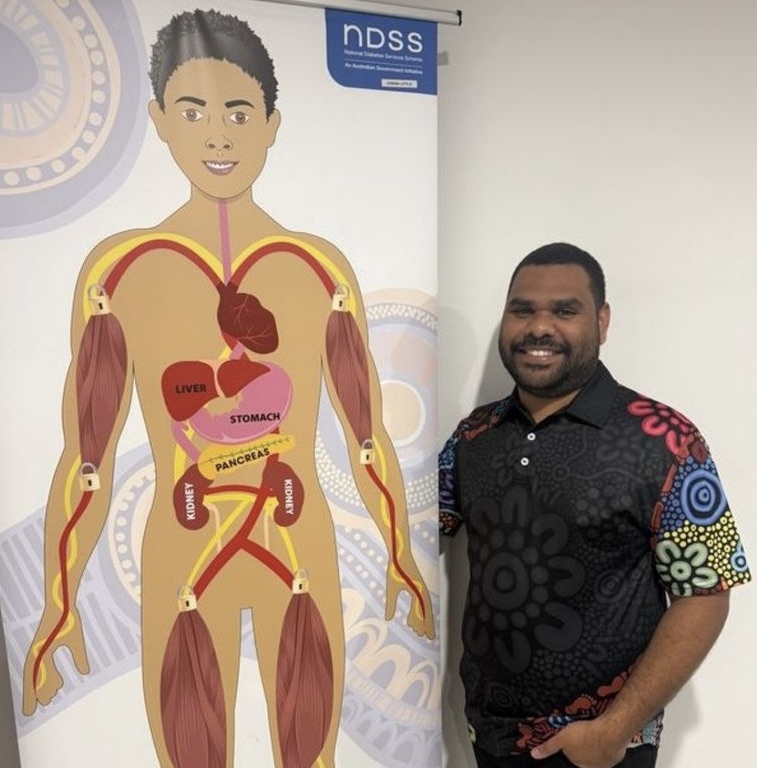
The Australian Diabetes Educators Association has announced Josiah Little as the first male Aboriginal health practitioner to attain Credentialed Diabetes Educator (CDE) status, a development it describes as a significant step for the First Nations health workforce and diabetes care.
A proud Bandjin and Djakunda man, Mr Little achieved CDE status through ADEA’s credentialing pathway, which he said has deepened his impact in clinical practice.
He emphasised that being a male practitioner has helped him build rapport with men who might otherwise avoid care, supporting culturally safe engagement with services.
He also works with clients to understand diabetes as a multi-system condition, helps them access diabetes educators and specialist clinics, and explains treatment plans in clear, culturally appropriate ways to improve health literacy.
Key Points
- ADEA names Josiah Little first male Aboriginal Health Practitioner with CDE
- Little focuses on advocacy, education and culturally safe diabetes care
- Journey began during primary health care certificates and clinical shadowing
- He balanced full-time work with then-required 1,000 clinical hours
- Mentors and colleagues provided critical guidance and encouragement
- Achievement follows Louise Gilbey’s 2024 CDE milestone for practitioners
Since becoming a CDE, Mr Little, who is employed by Queensland Health, said he has focused on advocacy and education across his practice.
“Being a male practitioner has enabled me to build strong rapport and trust with men in the community, supporting culturally safe engagement with healthcare services,” he said.
“I continue to strive to be a voice for change by advocating for improved diabetes awareness and culturally safe care.”
Mr Little’s journey into diabetes education began while completing his primary health care certificates.
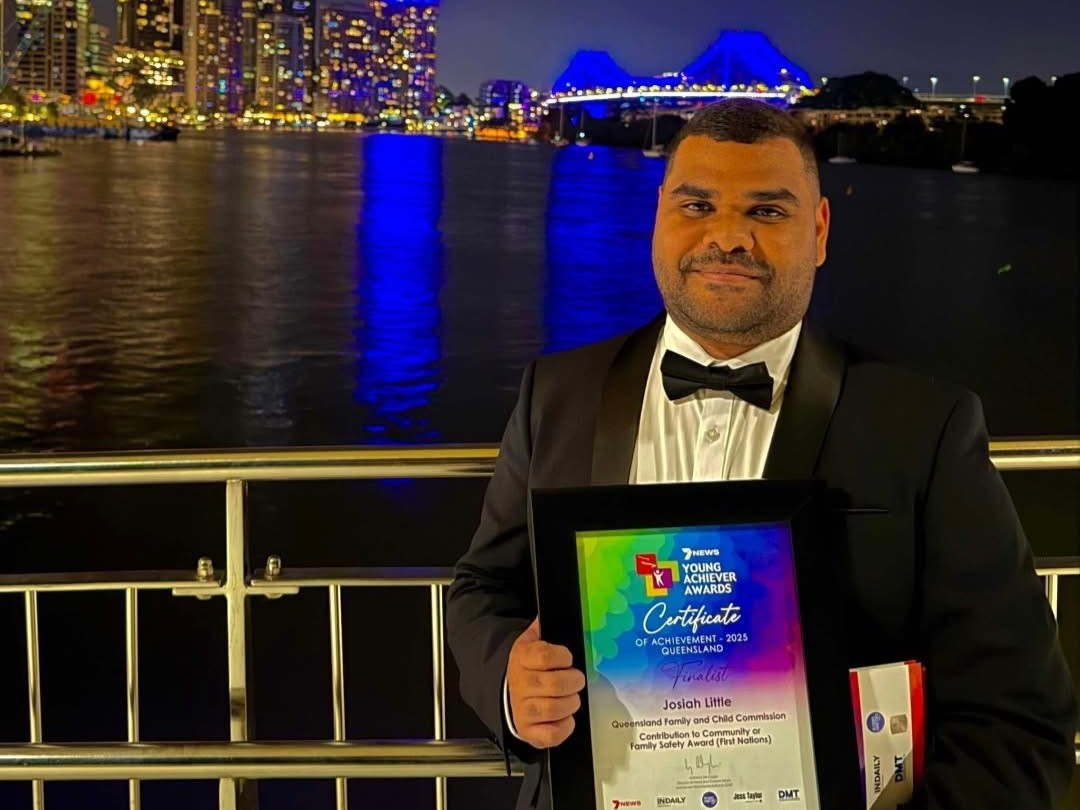
He described his priority as raising diabetes awareness and advancing culturally safe care for Aboriginal and Torres Strait Islander peoples. He was also recognised beyond clinical settings: in 2025, he was named a finalist in the Channel 7 Young Achiever Awards and appeared as a pianist and vocalist on the ABC iview series The Piano.
“I saw that diabetes featured prominently throughout the course content.”
— Josiah Little
Early exposure and interest
Mr Little’s pathway into diabetes education began during his primary health care certificates, where he found the topic repeatedly emphasised in coursework.
As he engaged more deeply with the material, he became increasingly aware of the disproportionate rates of diabetes affecting Aboriginal and Torres Strait Islander peoples in Australia.
That recognition, he said, sharpened his commitment to building specialist knowledge. He sought practical experience by shadowing a diabetes educator and observing client consultations, encounters that reinforced the value of expanding his clinical expertise and confidence.
Formal training
Recognising the need for formal qualifications, Mr Little enrolled at James Cook University to further his studies in diabetes care. During this period, he worked alongside endocrinologists, nurses, diabetes educators, dietitians, and Aboriginal and Torres Strait Islander health workers and practitioners.
The inter-professional experience informed his approach to comprehensive, culturally safe education, referral, and care navigation for clients requiring specialist support from diabetes services and endocrinology clinics.
Like many aspiring CDEs, Mr Little faced substantial demands in the credentialling process, including balancing full-time employment with the then-required 1,000 clinical hours and academic assessment deadlines.
He underscored that peer and mentor guidance was essential to maintaining momentum and meeting program requirements. The ADEA pathway, which combines postgraduate study, supervised practice, mentoring, and workplace-based assessment, is designed to ensure nationally consistent, high professional standards for CDEs.
Mentorship and support
Mr Little credited a network of colleagues and mentors for helping him complete the pathway. He specifically acknowledged the guidance of Fleur Kelly at ADEA, diabetes nurse educator Karen Lehrke, and fellow Aboriginal health workers, whose encouragement he said helped him remain focused and motivated during the most demanding stages of study and clinical practice.
“I continue to strive to be a voice for change”
— Josiah Little
With CDE status, he has concentrated on advocacy and education that reinforce culturally safe, community-connected practice. He described working directly with clients to improve understanding of treatment plans and strengthen access to educators, specialist clinics, and relevant services.
Mr Little is now encouraging other Aboriginal and Torres Strait Islander health workers and practitioners to consider the pathway to become CDEs to strengthen culturally safe services and improve health outcomes.
“From my own experience, given the higher prevalence and impact of diabetes among our peoples, it is essential that we continue to grow and strengthen the First Nations workforce within this field,” he said.
“As First Nations peoples and health professionals, we bring a deep understanding of our communities and the impacts of chronic conditions, intergenerational trauma, and culture on health and wellbeing.”
ADEA CEO Melanie Morris congratulated Mr Little and linked the milestone to broader goals for equitable access to care and workforce development.
Supporting First Nations health professionals
“We are incredibly proud of Josiah’s achievement, as it represents an important milestone for the First Nations health workforce and strengthens diabetes care,” Ms Morris said.
“As the impact of diabetes continues to be felt across communities, particularly Aboriginal and Torres Strait Islander communities, growing a culturally safe and community-connected specialist workforce is essential to ensuring people can access high-quality education and care close to home.