Modelling shows 1789 smallpox killed 220,000 First Nations people
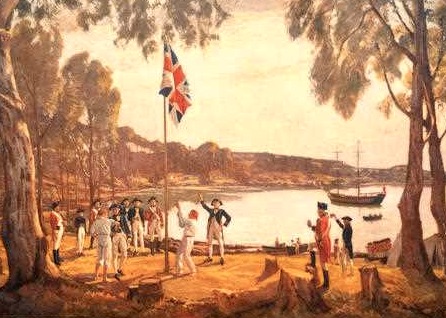
Groundbreaking modelling has revealed that as many as 220,000 Indigenous Australians died in a devastating 1789 smallpox outbreak that originated in Sydney, by tracing its origins to the First Fleet.
Soon after British ships arrived, smallpox swept through First Nations communities in the Sydney area and many died as a result.
The study found that the epidemic had a devastating demographic impact and ramifications for how First Nations people resisted colonisation and their capacity to manage Country, with the impact still being felt today.
“Our modelling shows a rapid smallpox spread and mass mortality after colonial exposure,” the study’s lead author, Dr Cody Nitschke, a Research Associate in the ARC Centre of Excellence for Indigenous and Environmental Histories and Futures based at Flinders University, said.
“It’s important for Australians to come to terms with this traumatic legacy to inform the national process of healing”.
Important insights about the outbreak of the disease
Published in the journal Nature Human Behaviour in collaboration with the Gujaga Foundation (Dharawal Nation) whose ancestors were the people at ground zero when the epidemic hit, the findings provide important insights about the outbreak of the deadly disease — including that it spread quickly through Aboriginal communities in south-eastern Australia.
The disease caused fever, severe illness, scarring, and high death rates, especially in Indigenous populations with no previous exposure, and it followed coastlines and major rivers. Importantly, the first epidemic did not spread Australia-wide.
“The epidemic was likely limited to the south-eastern coastal regions of Australia and along major intersecting rivers such as the Murray and Lachlan Rivers. Assuming a 60% lethality, the loss of between 40,000–220,000 people would probably have occurred in these regions,” Dr Nitschke said.
The researchers, including Indigenous scholars, tested whether the epidemic originated from either the Makassans visiting northern Australia from island Southeast Asia, or Europeans on the First Fleet, to confirm its origin and put that argument to bed.
“Rather than relying on assumptions about where the epidemic started, we tested the two main origin stories directly. The data allowed us to weigh those explanations against each other and identify which one was most consistent with how the disease spreads” Dr Nitschke said.
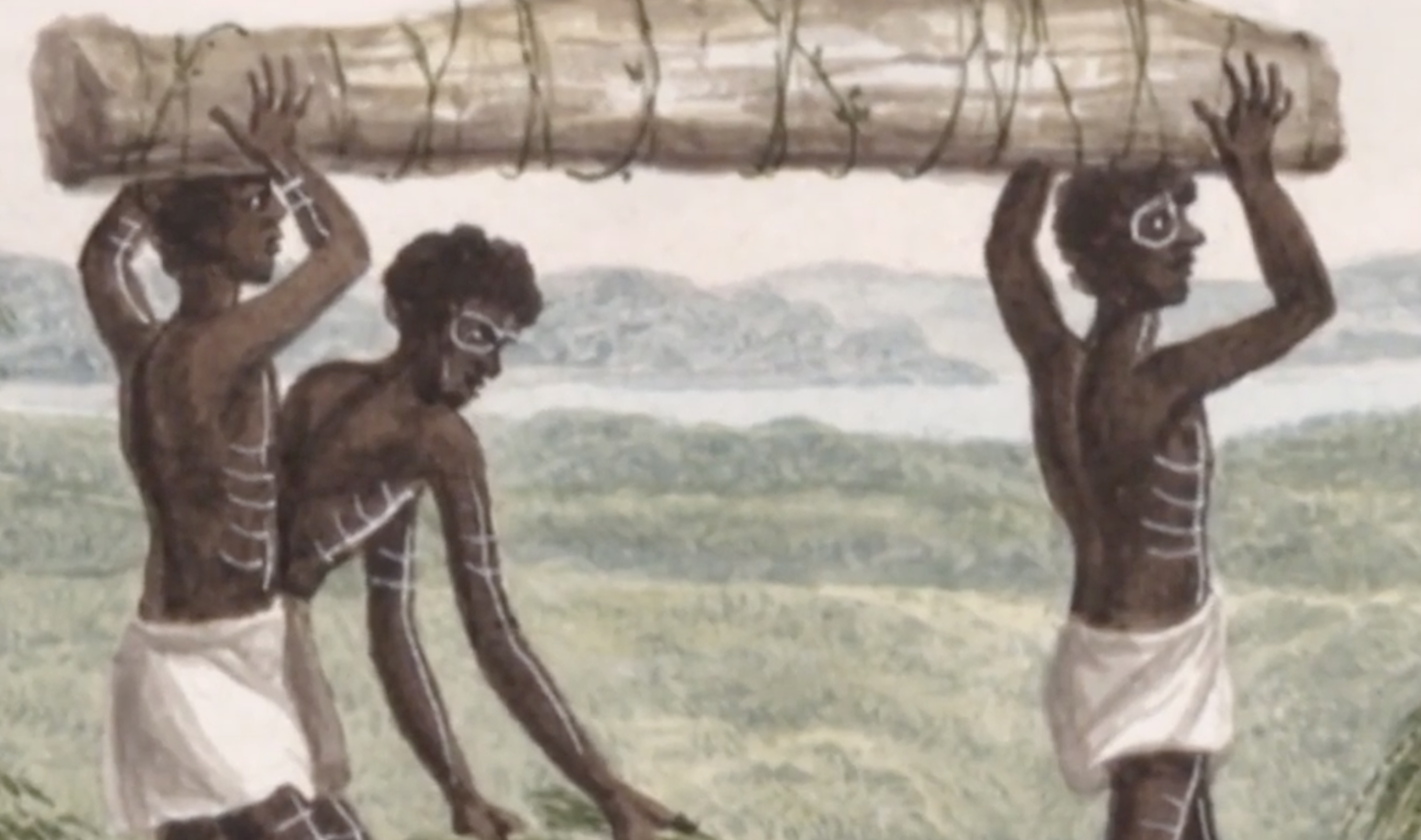
“The smallpox epidemic is arguably one of the most devastating events resulting from colonial invasion, yet there remains widespread disagreement on its origin, scale, impact, and spread until this modelling gave us important new insights.
“Families, knowledge systems, and ways of caring for Country were badly damaged.
Although the modelling shows it is unlikely that other parts of Australia were affected by the initial epidemic, the researchers nonetheless recommend revisiting assumptions about the subsequent impact to Indigenous communities by other diseases and frontier violence.
Co-author Dr Shane Ingrey of Gujaga Foundation and a Research Associate in the ARC Centre of Excellence for Indigenous and Environmental Histories and Futures at the University of New South Wales added: “It is always perceived by the wider community that everyone was wiped out and there were no Sydney Aboriginal people left after the initial outbreak, but we have First Fleet observations of our people back in the harbour within a month or so fishing and living.
“We quickly regrouped and over the next century continued living in and around the Harbour, continuing our cultural ways, continuing talking our language, continuing to apply our knowledge systems right up until the 1880s where the remaining descendants were forcibly relocated on Country out to the old camp turned government reserve at La Perouse. Here we continued to practice and pass on our Dharawal culture and language and still do today. Our connections were disrupted but never broken.”