Karri Karrak condemns State for ‘unlawful’ removal of river protections
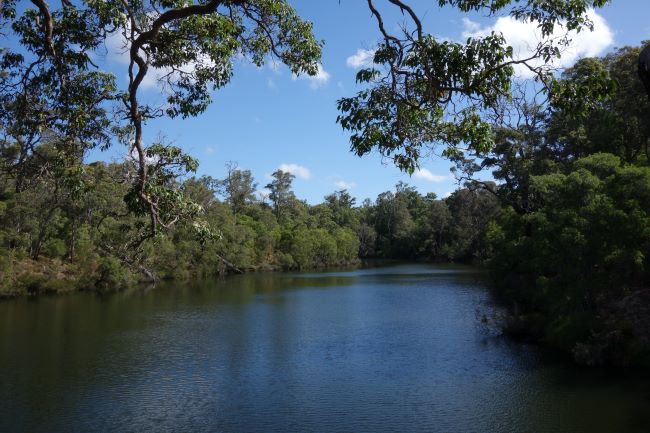
The Karri Karrak Aboriginal Corporation has condemned the Department of Planning, Lands and Heritage for removing tributaries and associated water places from a registered Aboriginal site on the Blackwood River in Western Australia.
The site is known as Goorbilyup*, a deeply sacred waterway to Wardandi, Pibelmen and Kaneang People, without meaningful consultation with Traditional Custodians.
The corporation has alleged boundary amendment has been undertaken without consultation with them.
“DPLH has failed multiple times to meet the statutory timeframes for Karri Karrak’s Freedom of Information request, seeking documents relating to the amendment,” they have stated.
The allegation says the boundary has stripped protection from parts of the registered Aboriginal Place, including Dry Brook Tributary, Tanjannerup Creek, Lightning Gully and Pinch Gully.
“These are only the first identified removals within the Nannup section of the Blackwood River boundary,” the corporation has said.
The Department has already indicated that further amendments to other sections of site and waterway are planned.
Chair of the Karri Karrak Aboriginal Corporation, Professor Stephen van Leeuwen said the department had stripped protection from the Blackwood River’s cultural landscape without proper consultation.
Call for ‘full’ transparency
“Disregarding decades of Noongar knowledge and its own heritage records. This decision undermines the cultural authority of Noongar people and contradicts the commitments made under the South West Native Title Settlement,” he said.
Karri Karrak has called for full transparency, reinstatement of all removed tributaries, and an immediate halt to further boundary changes.
“No government should be allowed to quietly cut back Noongar heritage through administrative shortcuts. These actions test the integrity and commitment of government to the legislated recognition of Noongar peoples as the traditional custodians of Boodja, who hold enduring cultural responsibilities and rights as the traditional owners of Noongar land,” their statement says.