Traditional lands returned 256 years after Cook arrival
By ROBYN WUTH
Traditional Owners are reclaiming historic Country where Captain James Cook once beached the damaged Endeavour, under a landmark hand back of lands
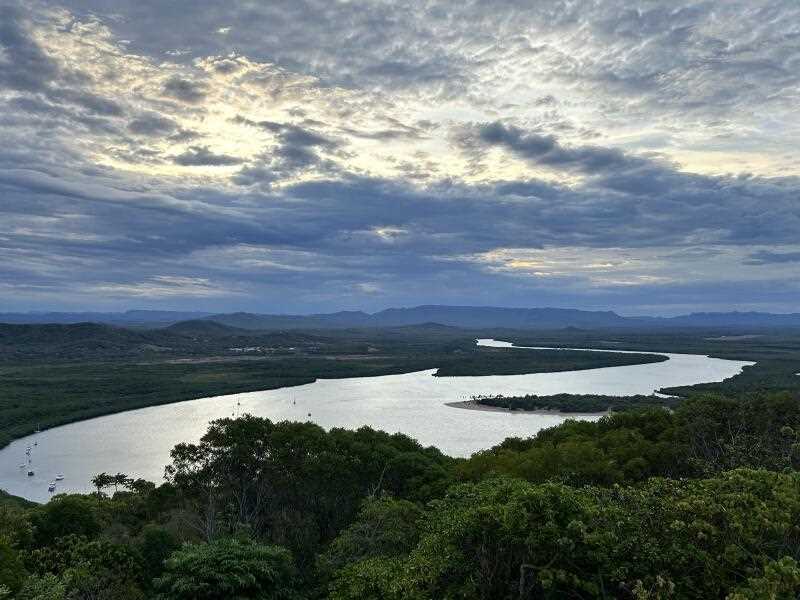
More than 3000 hectares in and around Cooktown in far north Queensland will return to the Guugu Yimithirr people under an agreement recognising their long‑standing ties to the area.
During 48 days of repairs from June 1770, Cook and his crew camped on the lands and waters of the Bubu Gujin, the Wyamburr clan of the Guugu Yimithirr nation.
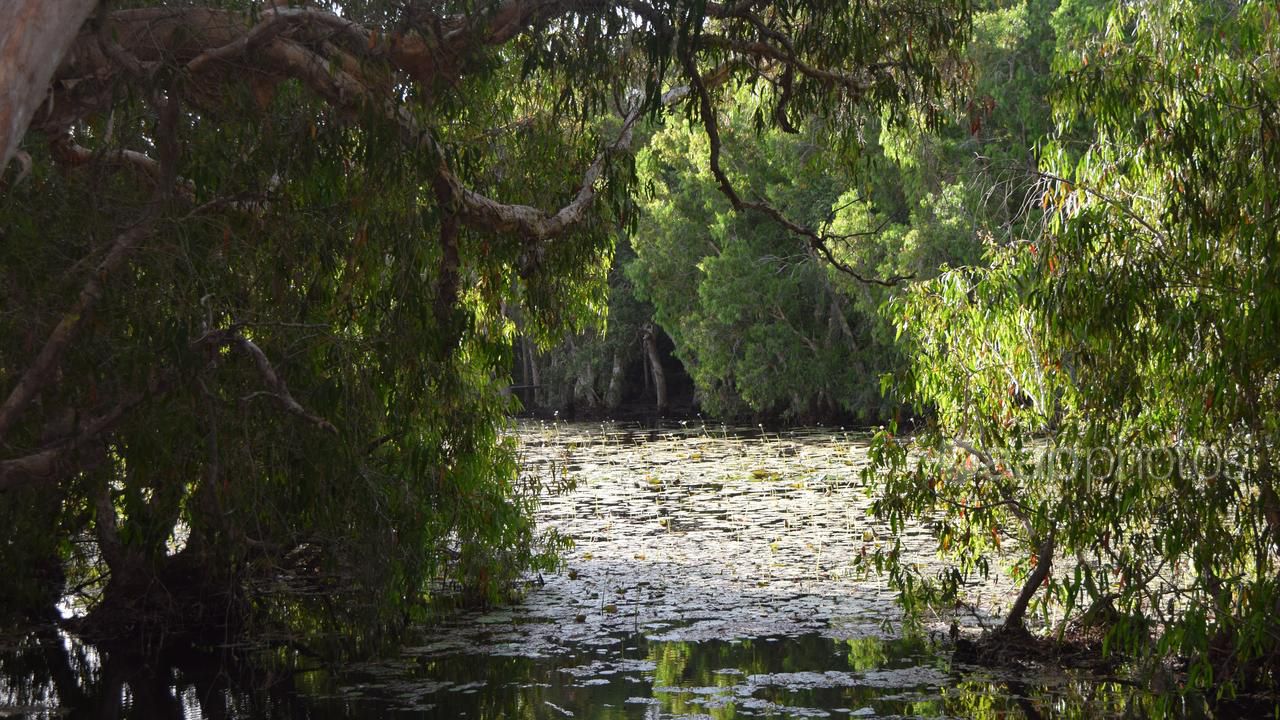
Some land will be Aboriginal freehold land, earmarked for economic development and home ownership.
Under the deal, 2920 hectares of jointly managed Cape York Peninsula Aboriginal Land (CYPAL) will be owned by Bubu Nubuun Aboriginal Corporation.
The transfer covers parts of Endeavour River National Park, Endeavour River Resources Reserve, Mount Cook National Park, Keatings Lagoon Conservation Park, the Finch Bay headland and previously unallocated state land.
An Indigenous Land Use Agreement means the Aboriginal Land and national park CYPAL will be owned by Bubu Nubuun Aboriginal Corporation and jointly managed with Queensland Parks and Wildlife Service (QPWS).
About 72 hectares will be Aboriginal freehold land, earmarked for economic development and home ownership.
Balkanu Cape York Development Corporation executive director Gerhardt Pearson said the hand back marked a long passage of time since Cook’s arrival on Guugu Yimithirr Country.
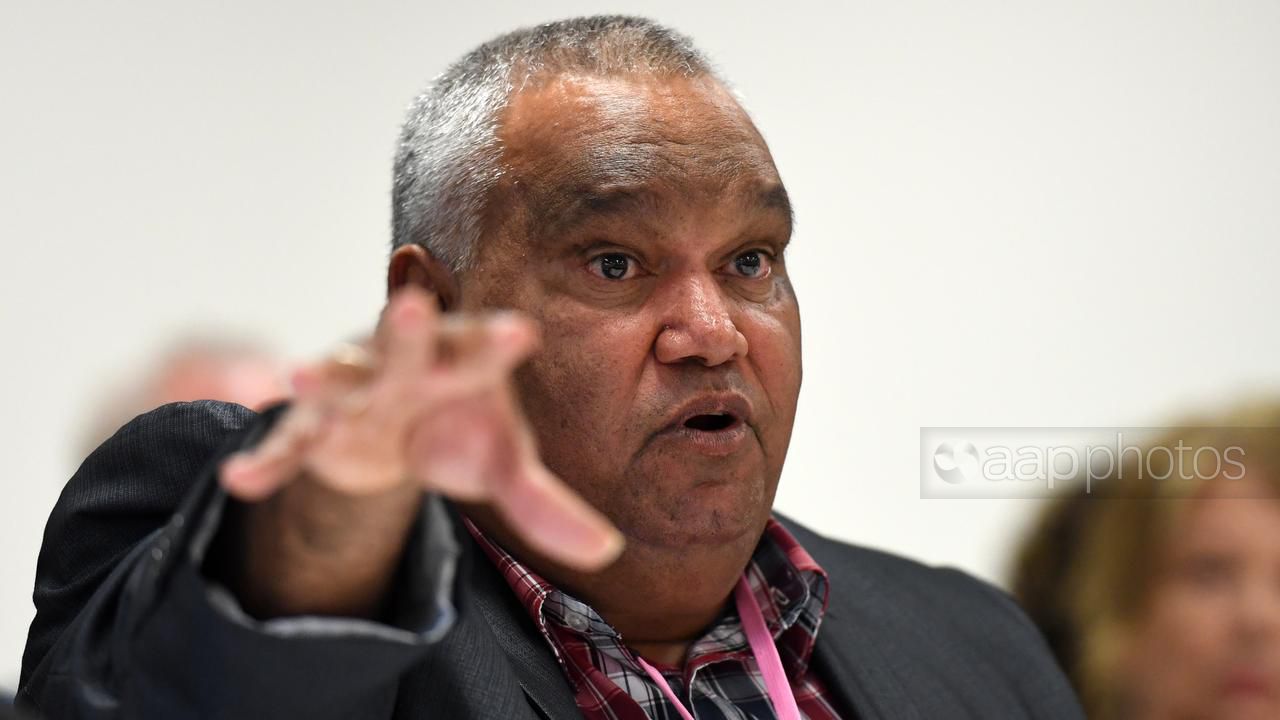
Gerhardt Pearson says the agreement shows genuine shared management of Country is the way forward. (Dan Peled/AAP PHOTOS)
”During that brief but defining encounter, two worlds met – one arriving by sea, the other belonging to Country since time immemorial,” Mr Pearson said.
”This milestone recognises First Nations Australians’ right to land ownership and shows that genuine shared management of Country, not outdated symbolism, is the way forward.”
Queensland Parks and Wildlife Service’s Ben Klaassen said the deal would lock in protection for key landscapes while creating tourism opportunities.
”This agreement protects some spectacular Country and opens the door to new tourism ventures,” the deputy director-general said.
He said the Finch Bay headland was an important addition that would improve visitor access and walking tracks.
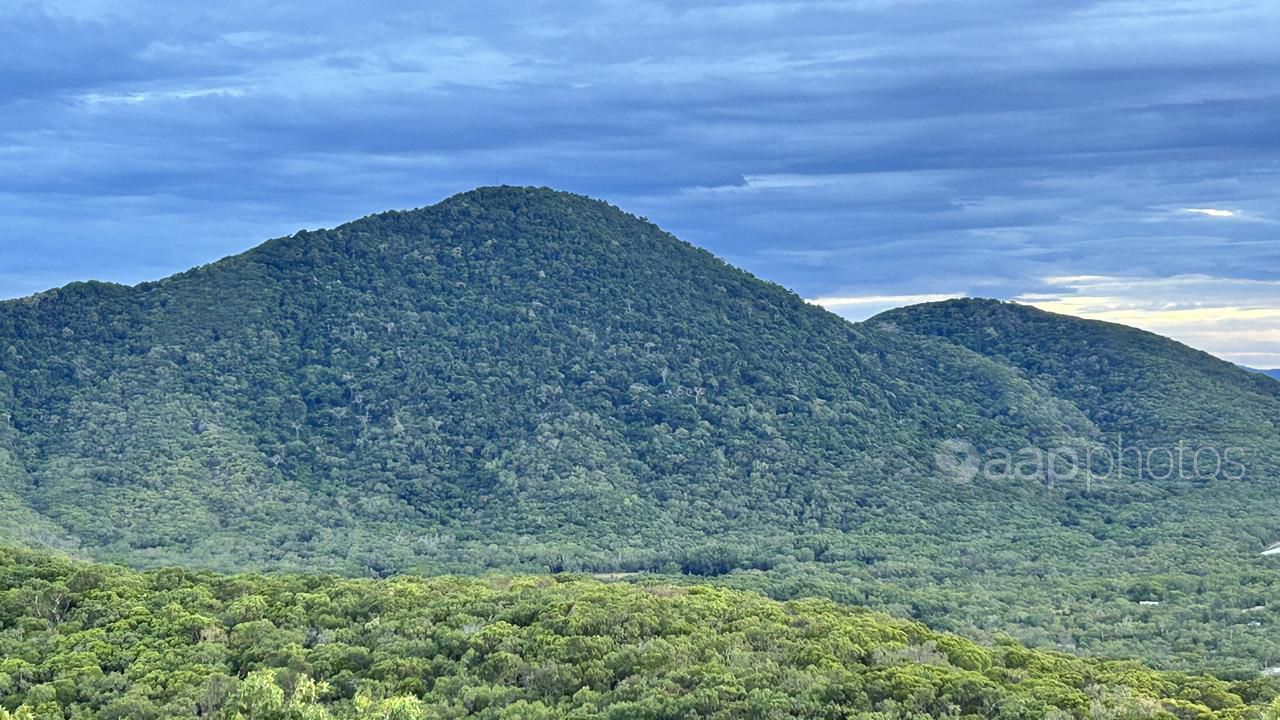
The hand back is being described as a “powerful step towards self-determination and reconciliation”.
The land transfer will also help protect the near-threatened Cooktown fan palm and the vulnerable Endeavour River litter-skink.
Bubu Nubuun Aboriginal Corporation director Betty Woibo said the community was deeply honoured to see traditional ownership formally recognised.
”This hand back is a powerful step towards self-determination and reconciliation,” Ms Woibo said.
She said the agreement would help create economic opportunities for local people while protecting Country for future generations.
aap

- ACT
- AFL / AFLW
- Arts
- Athletics and Olympics
- Business
- Conditions and Research
- Culture
- Elections
- Employment and Careers
- Enterprise and Startups
- Entertainment
- Events and NAIDOC
- Fashion
- Film and TV
- Food
- Government and Policy
- Grants and Funding
- Health
- Healthcare and Services
- Heritage and History
- International
- Language
- Legal and Justice
- Lifestyle
- Mental Health and Wellbeing
- Music
- National
- News
- NRL and Rugby League
- NSW
- NT
- Olympics
- Opinion
- Other Sports
- People and Profiles
- Podcast
- Politics
- Property and Land
- QLD
- SA
- Sports
- TAS
- Technology
- Travel
- Treaty and Truth-telling
- VIC
- Voice and Referendum
- WA