AIDA unveils plan to strengthen medical leadership
The Australian Indigenous Doctors’ Association unveiled a five-year roadmap in Cairns on Friday, designed to elevate First Nations medical leadership, expand the Indigenous medical workforce, and catalyse structural change across the health sector.
The Strategic Plan 2026–2030 sets an agenda grounded in culture and governance while targeting systems-level reform.
Key Points
- Event hosted at James Cook University’s new Yeinie Building in Cairns
- Plan centres on five core goals spanning culture, workforce, and reform
- Welcome to Country by Gimuy Walubara Yidinji people will open proceedings
- Leadership voices highlight cultural authority and communications priorities
- Launch marks momentum toward AIDA’s 30th anniversary next year
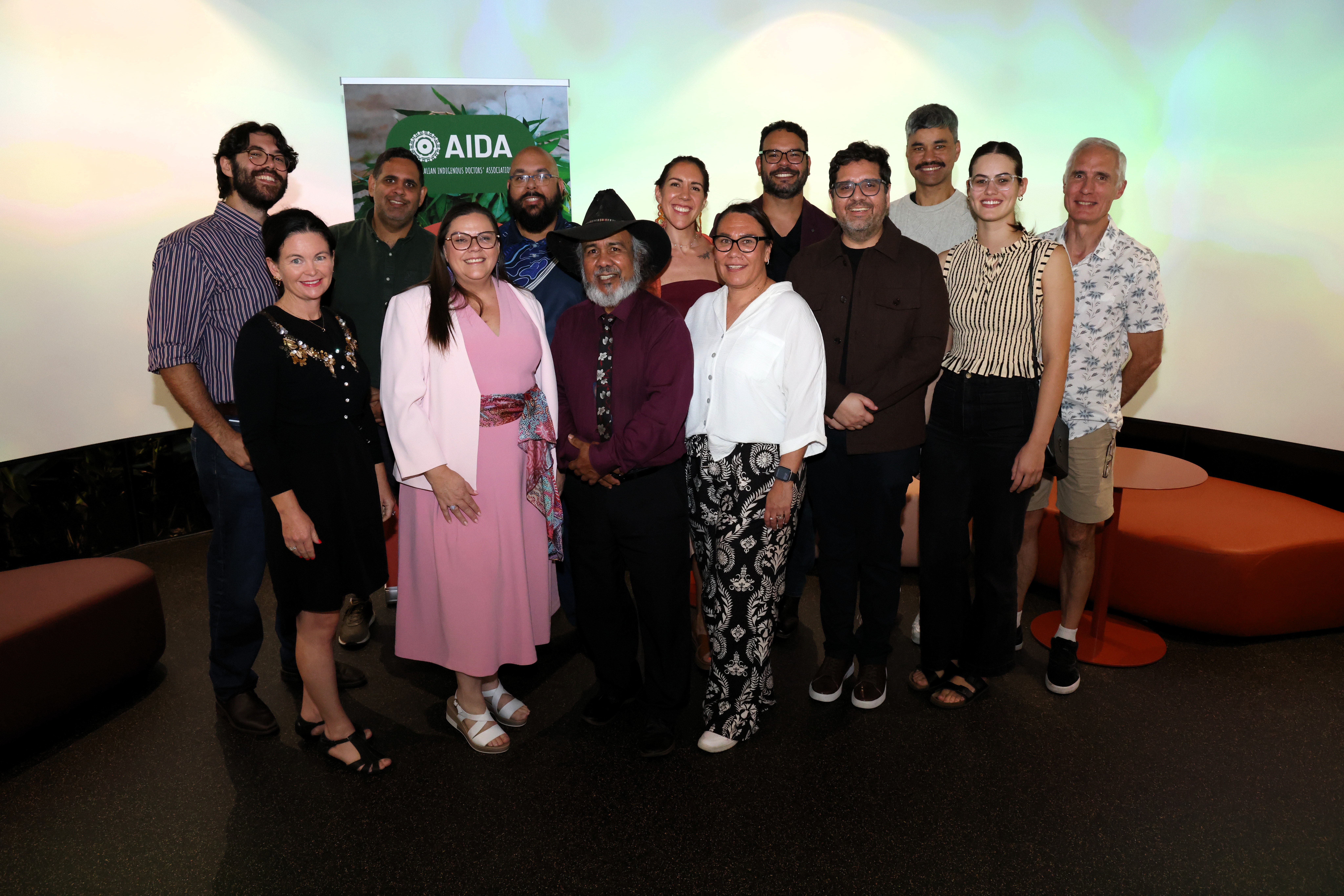
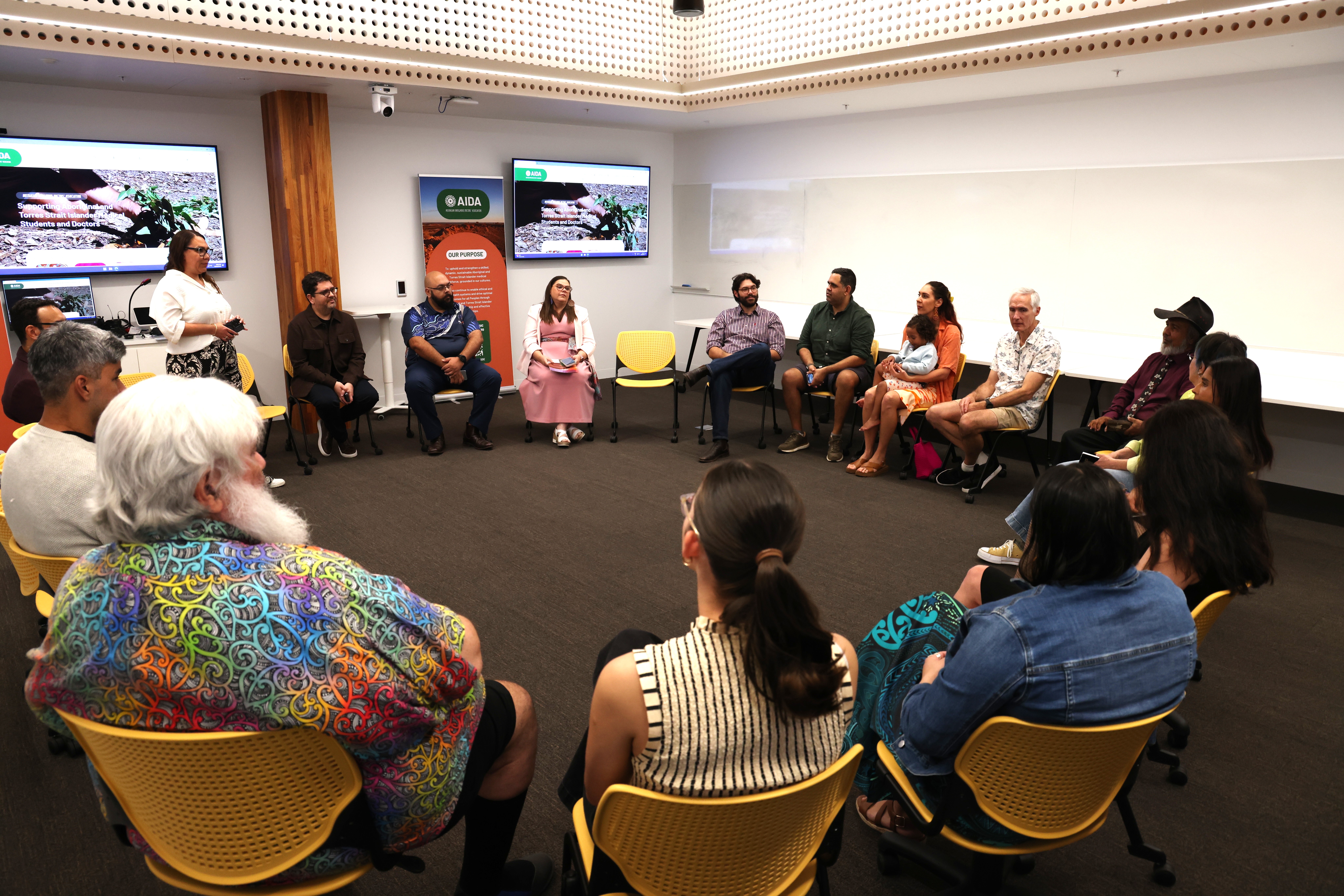
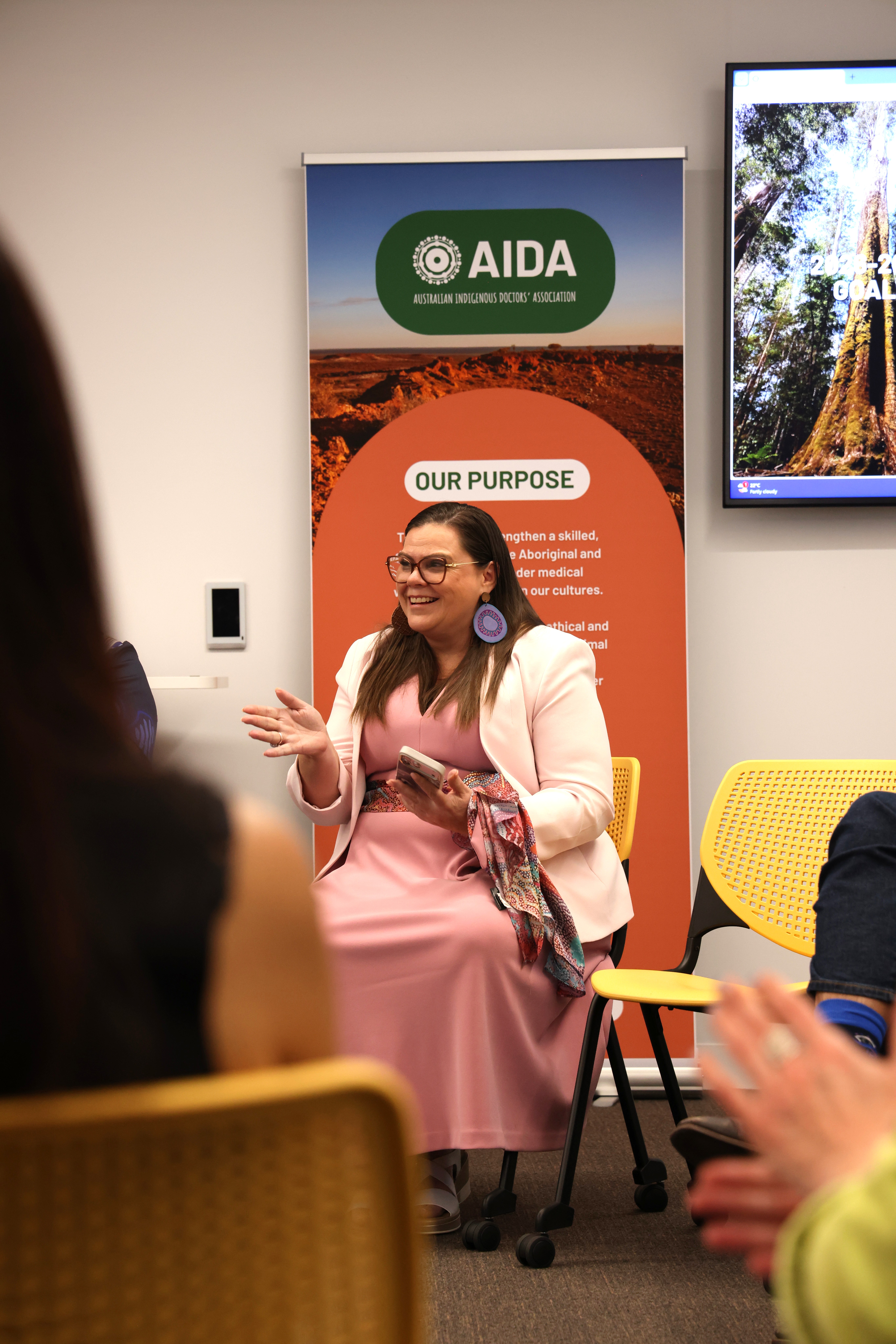
The launch at James Cook University’s new Yeinie Building brought together figures central to AIDA’s history, including the organisation’s first Chief Executive Officer, Professor Ngiare Brown, and first President, Dr Lewis Peachey. Current medical students, doctors, and sector partners also attended.
AIDA characterised the evening as a dual milestone for its 600 members: a celebratory moment and a strategic platform to present the organisation’s long-term vision to health sector leaders. Proceedings will open with a cultural Welcome to Country delivered by the Traditional Custodians of the Cairns region, the Gimuy Walubara Yidinji people.
“Holding space for and prioritising Aboriginal and Torres Strait Islander values and wisdom is essential for the transformative change needed to enhance training and health outcomes for our peoples,” President-elect Dr Olivia O’Donoghue said.
“This plan ensures that our students and doctors are supported to thrive, lead, and transform systems from within.”
The plan’s core vision is that Aboriginal and Torres Strait Islander peoples live long, healthy, and thriving lives shaped by sovereignty, cultures, and Country. According to AIDA, the new strategy aims to embed cultural authority across medical education and training while strengthening advocacy capacity and the organisation’s public voice.
Core goals and strategic priorities
AIDA’s Strategic Plan 2026–2030 outlines five interlocking goals designed to shape systems and support people across the medical pipeline, from students through to senior clinicians and leaders. The organisation states these goals are anchored in cultural governance and the lived expertise of Aboriginal and Torres Strait Islander doctors.
- Culturally Grounded Membership: Fostering a culturally safe, inclusive home where member voices, cultural authority, and leadership are celebrated and elevated.
- Thriving Medical Workforce: Embedding Indigenous values into medical education and training to support the growing workforce of over 1,000 Indigenous doctors currently operating within the health system.
- Health System Reforms: Driving structural and policy changes through courageous advocacy, strategic partnerships, and the expansion of AIDA’s Cultural Safety Training Program.
- Steadfast Governance: Establishing clear cultural governance protocols and partnering with Elders to provide ongoing cultural guidance across all operations.
- Sustainable Systems & Technology: Investing in modern, fit-for-purpose infrastructure that honours Indigenous Data Sovereignty while building resilient, diversified funding streams.
Each goal is positioned to reinforce the others: member support and cultural safety underpin workforce growth; governance and Elder guidance sustain that growth; and systems-level advocacy seeks to remove structural barriers to health equity. AIDA links its health system reform agenda to strategic partnerships and to scaling its Cultural Safety Training Program across sectors.
It also spotlights the need for fit-for-purpose infrastructure and the protection of Indigenous Data Sovereignty as essential to long-term sustainability.
Alongside internal strengthening, the strategy emphasises visibility and storytelling to ensure Indigenous clinical and cultural expertise is both recognised and influential across medical institutions. The workforce goal notes more than 1,000 Indigenous doctors are currently operating within the health system, and the plan aims to consolidate their leadership and impact through education, training, and policy advocacy.



- AFL / AFLW
- Arts
- Athletics and Olympics
- Business
- Conditions and Research
- Culture
- Elections
- Employment and Careers
- Enterprise and Startups
- Entertainment
- Events and NAIDOC
- Fashion
- Film and TV
- Food
- Government and Policy
- Grants and Funding
- Health
- Healthcare and Services
- Heritage and History
- International
- Language
- Lifestyle
- Mental Health and Wellbeing
- Music
- News
- NRL and Rugby League
- Olympics
- Opinion
- Other Sports
- People and Profiles
- Podcast
- Politics
- Property and Land
- Sports
- Technology
- Travel
- Treaty and Truth-telling
- Voice and Referendum