‘Rivers of grog’: territory’s booze bans extended
By LLOYD JONES
Measures to stop “rivers of grog” flowing into Aboriginal communities and town camps have been extended in a bid to reduce alcohol-related violence in the Northern Territory.
The NT government has released its plan to tackle problem drinking, detailing efforts to ensure community safety by addressing alcohol-related harms.
The plan extended total alcohol bans in Aboriginal town camps and communities beyond 2027 after the restrictions were set to expire in January.
The restrictions make it illegal to bring in, possess, consume, sell or supply alcohol in remote Aboriginal communities, town camps and outstations.

Steve Edgington said alcohol-fuelled violence had caused devastating impacts in NT communities. ((A)manda Parkinson/AAP PHOTOS)
“We are making sure that the rivers of grog don’t flow again into town camps to reduce alcohol-related violence and crime and to improve community safety and wellbeing,” Alcohol Policy Minister Steve Edgington said in a statement.
“Alcohol-fuelled violence and anti-social behaviour have had devastating impacts on too many territory families and communities for too long.”
The protected areas cover hundreds of remote communities and town camps across the territory.
The bans were allowed to lapse in 2022 but a serious spike in violent crime in Alice Springs prompted the Labor government to reinstate the restrictions in early 2023.
The liquor bans are widely supported by Aboriginal health organisations and community groups.

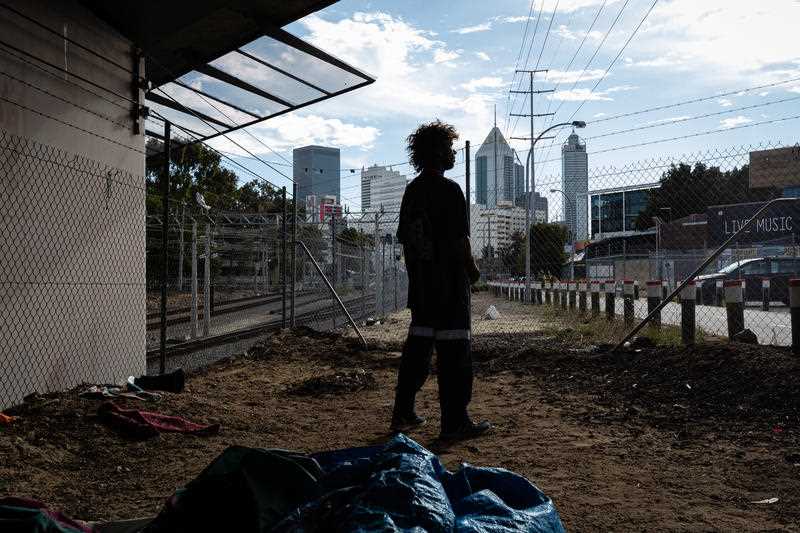
The death of Kumanjayi Little Baby highlighted camp conditions in Alice Springs.
Squalid town camp conditions in Alice Springs have come under the spotlight following the alleged abduction and murder of five-year-old Kumanjayi Little Baby in April.
Jefferson Lewis, 47, has been charged with her murder.
On the outskirts of Alice Springs are 17 communities, known as the town camps, populated by 1050 permanent residents across multi-generational Aboriginal families.
The camps were established while elements of the White Australia policy were still in place, with restrictions on Aboriginal people entering Alice Springs.
aap



- AFL / AFLW
- Arts
- Athletics and Olympics
- Business
- Conditions and Research
- Culture
- Elections
- Employment and Careers
- Enterprise and Startups
- Entertainment
- Events and NAIDOC
- Fashion
- Film and TV
- Food
- Government and Policy
- Grants and Funding
- Health
- Healthcare and Services
- Heritage and History
- International
- Language
- Lifestyle
- Mental Health and Wellbeing
- Music
- News
- NRL and Rugby League
- Olympics
- Opinion
- Other Sports
- People and Profiles
- Podcast
- Politics
- Property and Land
- Sports
- Technology
- Travel
- Treaty and Truth-telling
- Voice and Referendum