Morning teas won’t end racism in workplaces
As National Reconciliation Week winds down, employers are urged to replace symbolism with tangible actions to end racism in Australian workplaces.
According to Gari Yala 2, a research study by the UTS Centre for Indigenous People and Work (CIPW), racism declines where workplaces introduce initiatives such as anti-racism training and complaint procedures.
Where a racism complaint procedure was introduced, the level of workplace racism dropped by more than 20 per cent from 64.3 percent to 43.6 per cent.
Similarly, where anti-racism training was introduced, racism dropped from 63.8 per cent to 47.5 percent.
In contrast, CIPW research shows celebrating significant dates for First Nations peoples is the most common workplace initiative (68 per cent) reported by Indigenous workers, but this is less strongly associated with reducing racism than initiatives that shape day-to-day experiences.

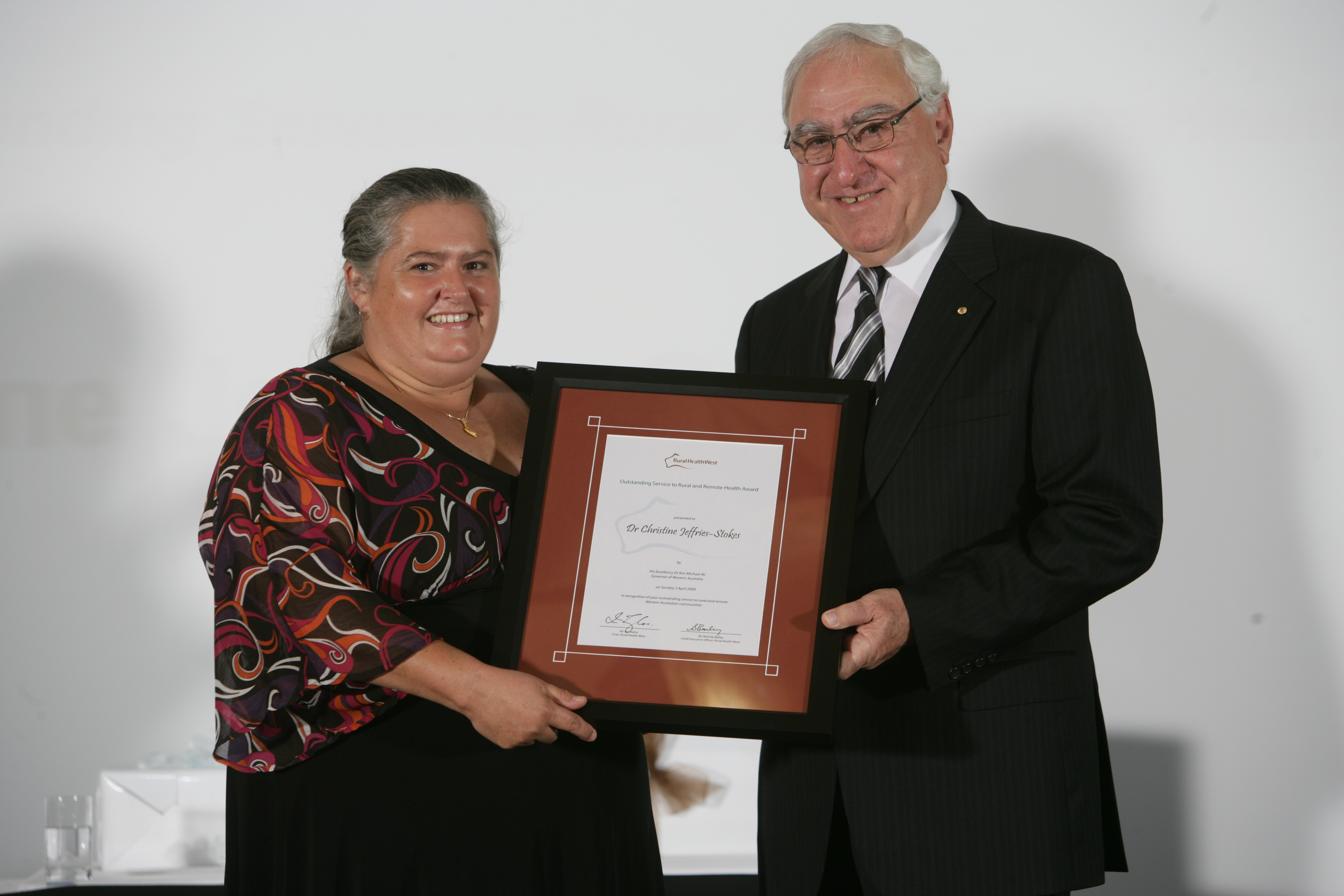
Director of CIPW, Professor Nareen Young
Director of CIPW, Professor Nareen Young said organisations needed to look beyond one week of visibility and demonstrate a genuine, year‑round commitment.
“Showing up for National Reconciliation Week is important, but putting on a breakfast or hosting a panel discussion once a year does little to improve outcomes for Indigenous workers,” Prof Young said.
“The real test is what happens during the other 51 weeks of the year. Employers need to go beyond symbolic gestures to build systems that improve outcomes for Indigenous workers.”
More broadly, the Gari Yala research shows racism remains a recurring feature of working life, with more than half of all Indigenous workers experiencing it.
Professor Young said National Reconciliation Week should be a turning point for employers.
“The evidence is clear about what works,” she said.
“The question is whether organisations are prepared to move beyond symbolism and commit to structural change.
“Reconciliation is not what you say during one week, it is what you do every day. By all means have a morning tea, but use it as a launch pad to introduce practical changes that will make a real difference.”