National Reconciliation Week 2026: How to get involved
National Reconciliation Week 2026 runs from May 27 to June 3 across Australia, with events encouraging people to learn about the nation’s shared histories, cultures and achievements.
This year’s theme, “All In,” calls for all Australians to commit to reconciliation every day. Events are planned nationwide.
Key Points
- National Reconciliation Week 2026 runs from May 27 to June 3 across Australia
- The 2026 theme, “All In,” urges wholehearted commitment to reconciliation
- Dates mark the 1967 referendum and the 1992 Mabo High Court decision
- Nationwide events include exhibitions, workshops, performances and guided walks
- Universities and cultural institutions are hosting programs and screenings
- State and territory calendars guide participants to local activities
- Events emphasise learning about shared histories, cultures and achievements
Overview and significance
National Reconciliation Week is a period of commemoration, recognition and respect for Australia’s First Nations peoples.
The week anchors two landmark dates in the national story. On 27 May 1967, Australia’s most successful referendum was held, with over 90 per cent of Australians voting in favour of recognising Aboriginal and Torres Strait Islander peoples in the Census.
On 3 June 1992, the High Court handed down the Mabo decision, led by Torres Strait Islander man Eddie Mabo. The ruling challenged the legal concept of ‘terra nullius’, which falsely claimed that Australia belonged to no one before colonisation, and recognised Aboriginal and Torres Strait Islander peoples as the Traditional Owners and Custodians of lands.
Organisers highlight that the week offers opportunities for learning, dialogue and participation in activities that foreground First Nations cultures, stories and contributions. The program emphasises civic understanding, cultural respect and community engagement, with events organised nationwide.
2026 theme and participation
The theme of National Reconciliation Week 2026 is “All In,” a call for all Australians to commit wholeheartedly to reconciliation every single day. Activities throughout the week are designed to invite participation, reflection and learning in formal and informal settings. People are encouraged to attend exhibitions, talks and community gatherings, and to take part in workshops and guided walks focused on culture and history.
Participants can explore a full calendar of events and search by state or territory to find nearby activities. Institutions may also host their own programs. Students are advised to check their campus event listings for details on screenings, training and cultural experiences scheduled during the week.
Events across States and Territories
Australian Capital Territory
Canberra’s National Reconciliation Week events often include public art, cultural learning and storytelling. A major event returning in 2026 is the First Nations Experience of Democracy Tour at Old Parliament House, exploring how First Nations Australians have shaped political and social change. Additional ACT activities can be found via the official National Reconciliation Week events calendar.
Reconciliation Australia Calendar
New South Wales
In Sydney, universities and cultural institutions are hosting discussions, screenings and workshops across the week. UTS is running a full National Reconciliation Week 2026 series, featuring documentary screenings, Aboriginal cultural awareness training and immersive storytelling experiences. Broader NSW community events are available through Reconciliation NSW.
https://reconciliationnsw.org.au/
Northern Territory
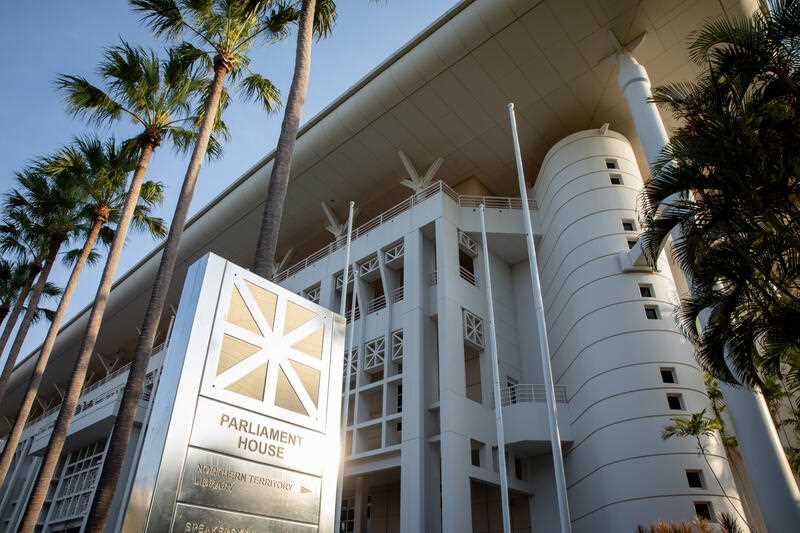
In the Northern Territory, community organisations are focusing on culture, connection and storytelling. Weaving Our Stories at the Museum and Art Gallery NT is a live storytelling evening where First Nations women embody sacred resistance to protect Country, climate and community. Upcoming NT events and community activities can be browsed via the official National Reconciliation Week calendar.
Queensland
Queensland universities and galleries are hosting exhibitions, workshops and cultural events. The University of Queensland is holding a week-long National Reconciliation Week program, encouraging students to explore reconciliation through talks, workshops and community activities. More Queensland events are listed on the official National Reconciliation Week calendar.
https://life.uq.edu.au/nationalreconciliationweek
South Australia
In Adelaide, universities, councils and community groups are running cultural workshops, talks and educational programs. On Country at the Market at the Adelaide Central Market offers food, stories and living culture celebrating National Reconciliation Week. Additional South Australian activities can be explored through Reconciliation SA.
https://www.reconciliationsa.org.au/
Tasmania
In Tasmania, Reconciliation Week Breakfasts are grounded in truth-telling and truth-listening, centring Tasmanian Aboriginal voices, lived experiences and perspectives. Speakers share powerful and deeply personal stories that challenge assumptions, provoke reflection and inspire meaningful action. Tasmanian events are available through Reconciliation Tasmania and the official National Reconciliation Week calendar.
Victoria
Melbourne is hosting a wide range of events in 2026, including concerts, exhibitions and community programs. The City of Melbourne’s Reconciliation Week: All In program features activities at Southbank Library, Kathleen Syme Library and Library at the Dock. Further Victorian events are listed through Reconciliation Victoria.
https://www.reconciliationvic.org.au/act/reconciliation-week
Western Australia
Across Western Australia, storytelling sessions, workshops and cultural programs are scheduled throughout the week. The WA Museum is hosting a dedicated National Reconciliation Week 2026 program, featuring Aboriginal storytime sessions, exhibitions and educational events. The City of Albany is also running a full program, including a Reconciliation Week Breakfast, screenings and cultural discussions. More WA events can be found via Reconciliation WA.
https://www.recwa.org.au/all-in-for-national-reconciliation-week-2026/
How to get involved
- Search the official National Reconciliation Week calendar by State or Territory to find local events
- Check university and campus event listings for screenings, training and cultural programs
- Attend exhibitions, talks, workshops and guided walks focused on First Nations cultures and histories
- Join community gatherings such as breakfasts, storytelling evenings and market activations
- Engage with state and territory reconciliation organisations for comprehensive listings
Reconciliation Australia Calendar
Organisers emphasise that, no matter where people are studying or living in Australia, National Reconciliation Week provides a valuable opportunity to learn about Aboriginal and Torres Strait Islander cultures, histories and communities, and to engage in conversations about reconciliation and the future of the country.