Find it, treat it: 30-second test could help prevent stroke in Indigenous Australians
Research published in the Medical Journal of Australia has found Indigenous Australians develop atrial fibrillation nearly 16 years earlier on average than non-Indigenous Australians, contributing to substantially higher stroke rates at younger ages.
AF is a common heart rhythm condition characterised by an irregular heartbeat that can cause blood clots to form in the heart and travel to the brain. It often has no symptoms – until a clot triggers a stroke.
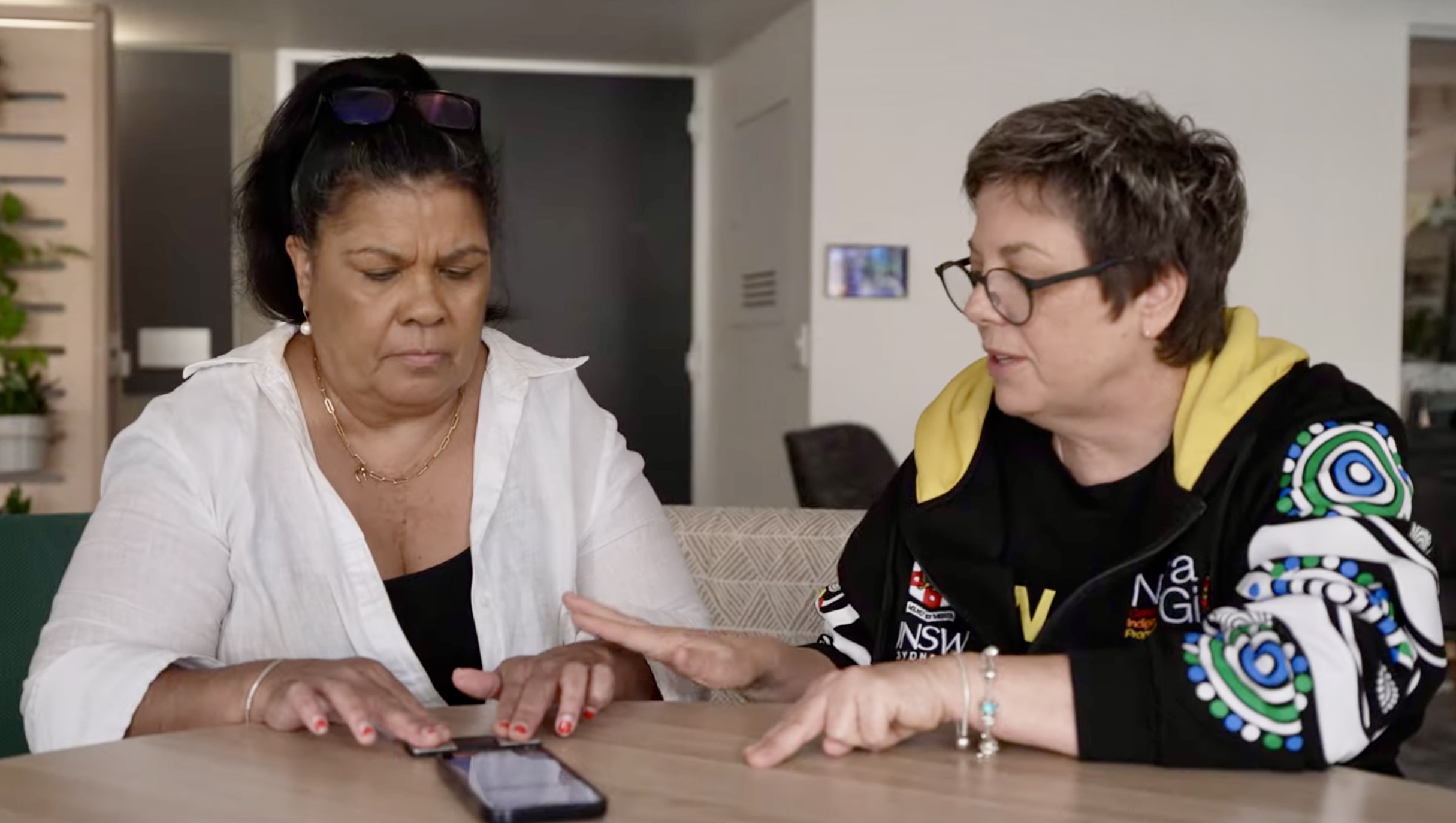
AF-related strokes are typically more severe than other types. But AF itself can be detected through a pulse check or a 30-second recording using a portable single-lead ECG device.
Current Australian guidelines recommend AF screening from age 65.
“That threshold is based on population-wide data,” says senior author Associate Professor Kylie Gwynne, Director of UNSW’s Co-design Health Research and Innovation (CHRI) group.
“But Indigenous people in Australia experience stroke at around two to three times the rate of other Australians,” A/Prof. Gwynne says.
“These strokes occur younger, often result in long-term disability and are more likely to be fatal,” she says.
The study recommends screening Indigenous Australians from at least age 55 – and earlier for those at elevated stroke risk.
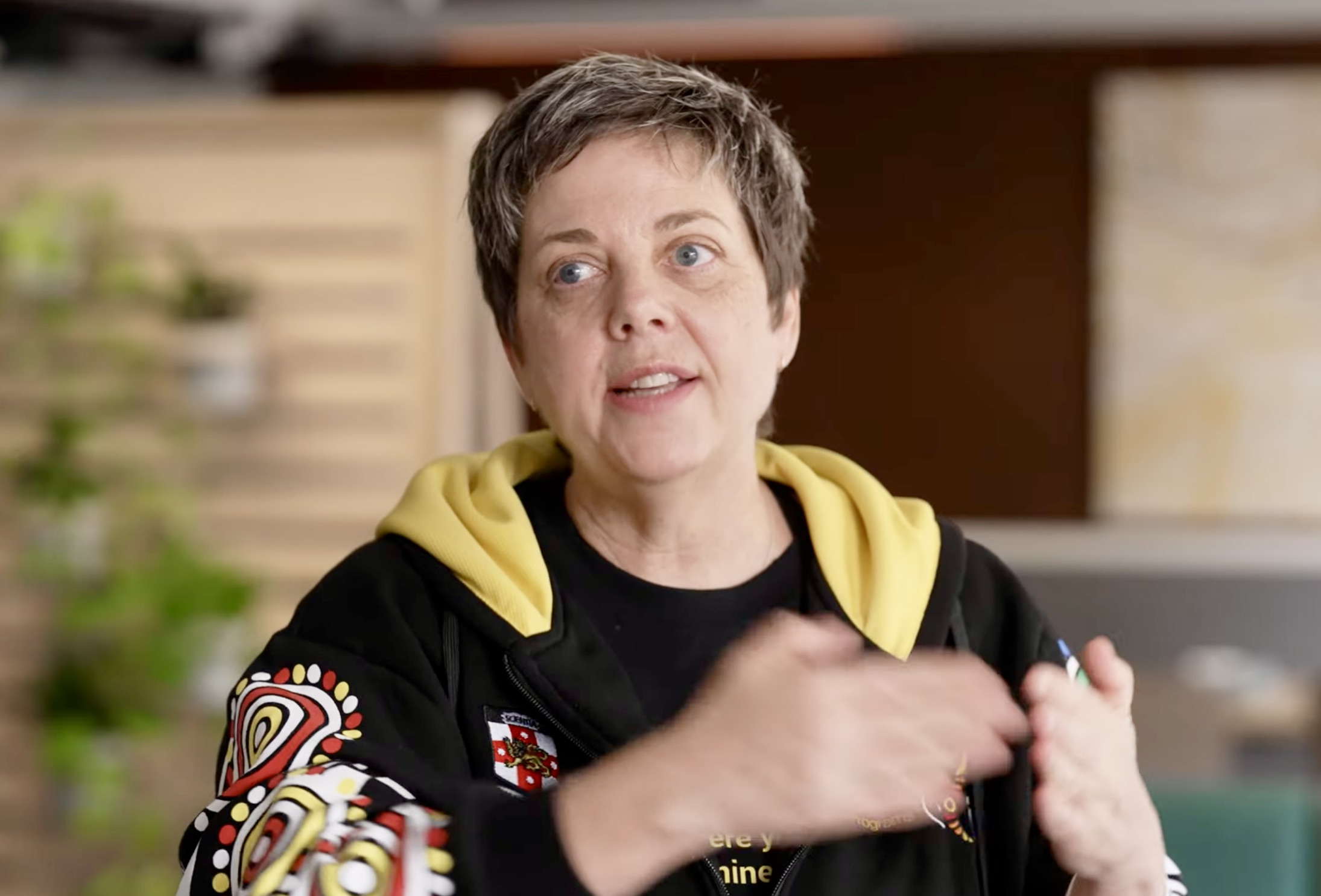
Associate Professor Kylie Gwynne, Director of UNSW’s Co-design Health Research and Innovation (CHRI) group.
“We now have strong evidence showing Indigenous Australians develop AF much earlier,” A/Prof. Gwynne said.
She said medication and lifestyle changes can reduce stroke risk by up to 70%, “so, waiting until age 65 to screen misses a critical window for prevention.”
Earlier screening needed
Lead author UNSW’s Dr Vita Christie says the systematic review analysed 24 Australian studies on AF onset, stroke incidence, treatment patterns and outcomes.
“In some studies, almost half of AF cases for Indigenous people occurred before the age of 55,” Dr Christie said.
The review also found Indigenous Australians with AF were less likely to receive guideline-recommended therapies, which compounded the risk of preventable stroke.
“Under-treatment adds to the problem of under-diagnosis.
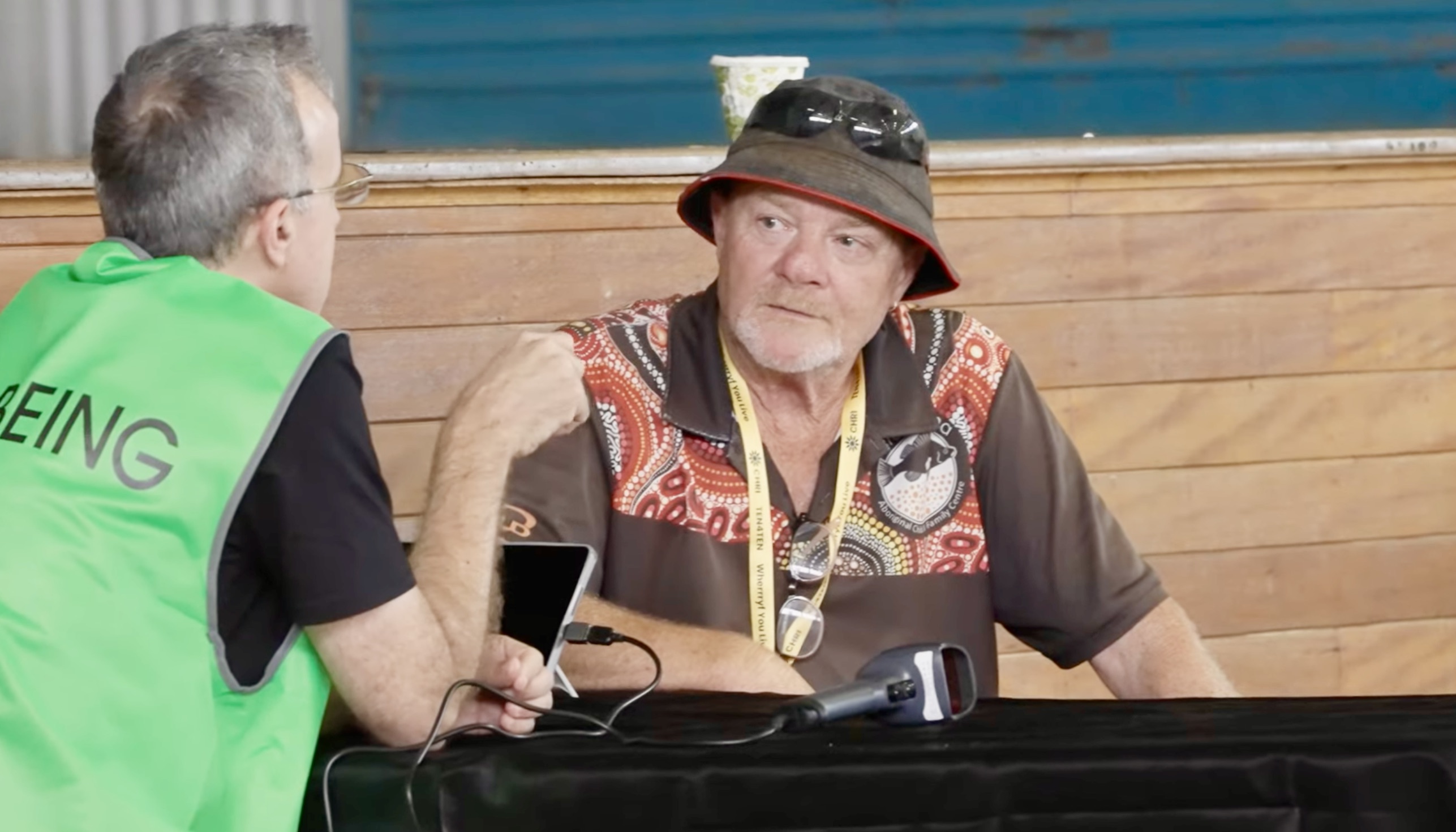
“Our expert panel unanimously recommended AF screening from at least age 55 for Indigenous Australians.”
A clear case for reform
The study authors included cardiologists, epidemiologists, Aboriginal health leaders and policy and practice experts.
A/Prof. Gwynne said the findings of the study reflected more than a decade of collaborative research with Aboriginal communities and primary care services.
“Stroke is not inevitable,” she said. “Stroke prevention requires both earlier detection and timely access to treatment.
“If we can detect AF earlier and ensure appropriate treatment, we can prevent strokes and long-term disability.”
She said the issue was about aligning care with risk.
“A single screening age across all populations assumes equal risk,” she said.
“Indigenous people with AF are also more likely to have additional cardiovascular risk factors such as diabetes, hypertension, kidney disease and rheumatic heart disease.”
She compared AF management to another chronic condition familiar in primary care.
“The treatment for AF is similar to treatment for type 2 diabetes – improved diet, exercise and medication,” she said.
“And, like diabetes, the risks increase if the condition goes untreated.”
Impact on communities
Co-author Katrina Ward, CEO of the Brewarrina Aboriginal Medical Service, said earlier screening had direct implications for Aboriginal Community Controlled Health Organisations (ACCHOs).
“Stroke has devastating impacts on our families and communities,” Ms Ward said.
“When strokes happen younger, the consequences ripple through generations – affecting work, caregiving and community leadership.”
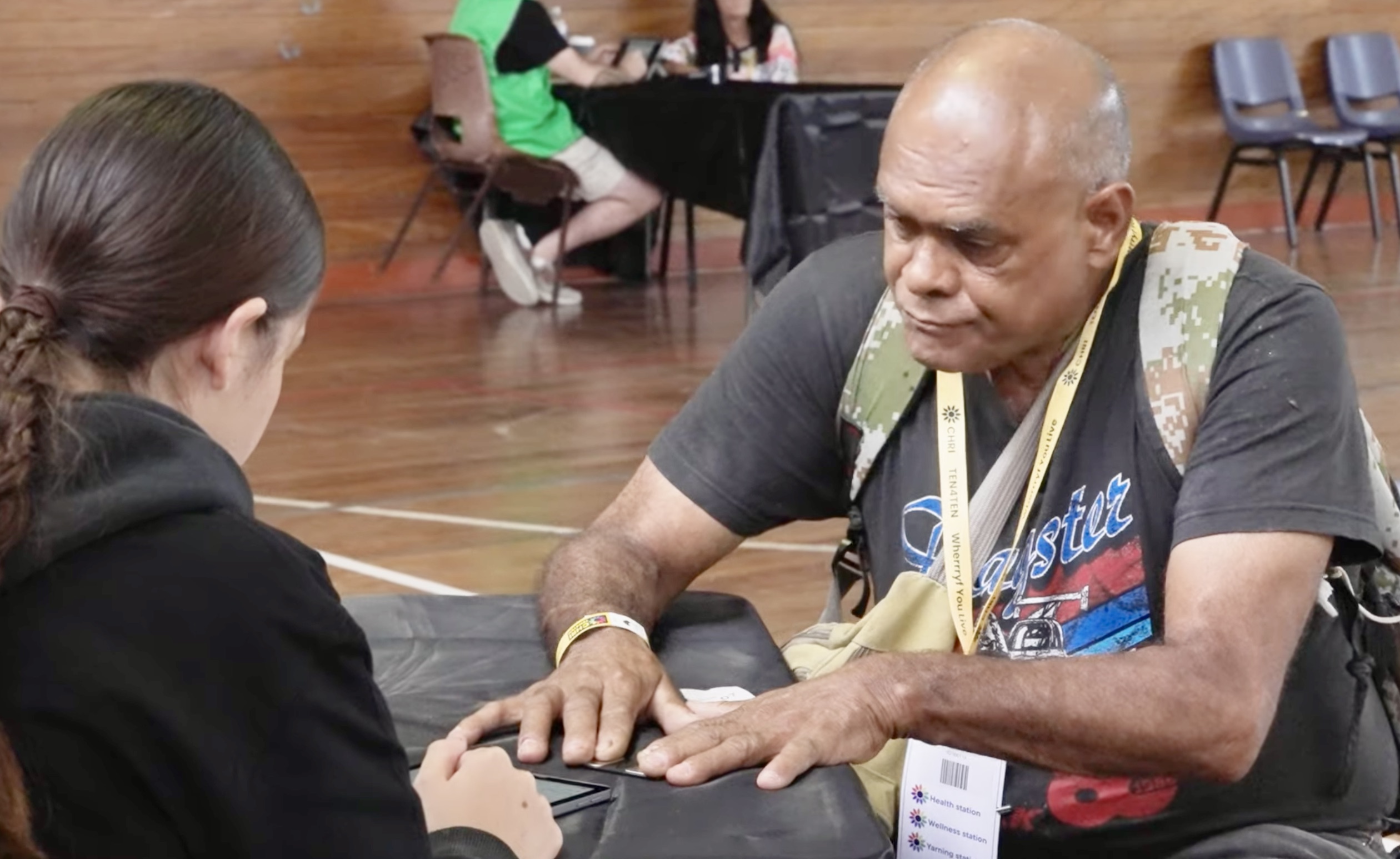
But she said the screening doesn’t always happen, though anyone can use it – even on smartwatches – and it can easily be implemented into routine care.
“We’ve seen first-hand that our health workers and community members value early detection.”
She said national policy change would support community-controlled services to act earlier and prevent harm.
“If guidelines recognise earlier risk, it strengthens our ability to secure resources and implement prevention where it’s needed most.”
A practical solution
A/Prof Gwynne said detecting AF is only the first step and that national leadership is now needed.
“Technology alone does not prevent stroke,” she says. “Systems of care do. Screening must be accompanied by timely follow-up, culturally responsive communication and access to care aligned to clinical guidelines.”
The CHRI team developed a free five-minute online training module to help primary care clinicians detect and manage AF earlier.
“The tools are available. The evidence is clear,” A/Prof Gwynne said.
She said guideline bodies and cardiovascular organisations should formally review AF screening recommendations, considering the new evidence. Primary care clinicians working with Aboriginal and Torres Strait Islander patients should consider opportunistic AF screening from age 55 – and earlier for those at higher risk.
If AF is identified, clinicians should follow established guidelines for managing heart rhythm, reducing stroke risk and addressing co-existing conditions.
“Updating screening recommendations is a straightforward, low-cost and immediately actionable step to reduce preventable stroke and advance Closing the Gap,” A/Prof Gwynne said.
But, she says, earlier screening alone was not enough.
“Care pathways must take account of rural and remote access barriers, cost, continuity of care and cultural safety.
“When we identify AF earlier and treat it effectively, we prevent disability, preserve independence and save lives.”