Yindjibarndi consider appeal over $150m native title payout
Yindjibarndi traditional owners are weighing an appeal after the federal court ordered Fortescue to pay a record $150m for cultural loss and $100,000 for economic loss linked to the Solomon Hub iron ore mine, a ruling they have called “unsatisfactory”.
On Tuesday, federal court justice Stephen Burley found in favour of the Yindjibarndi traditional owners, recognising their deep cultural ties to country and the trauma caused by the multibillion‑dollar mining operations at Fortescue’s Solomon Hub in Western Australia’s Pilbara.
Key Points
- Federal court orders $150m for cultural loss and $100,000 economic loss
- Yindjibarndi label payout “unsatisfactory” and consider filing an appeal
- YNAC originally sought $1.8bn; Fortescue argued for an $8m cap
- WA government said $5m to $10m was appropriate compensation
- Court recognised deep cultural ties and trauma from mining operations
- Yindjibarndi gained exclusive native title rights in 2017 after 2003 claim
- Fortescue cites strong Pilbara agreements and readiness to pay
The decision, which sets the largest compensation figure in native title history, awarded $150m for cultural losses plus $100,000 for economic losses. The Yindjibarndi Ngurra Aboriginal Corporation (YNAC) said the outcome does not reflect the scale of cultural and financial harm since mining began.
“Instead, in its judgment, the court, followed the precedent set by the 2018 high court case at Timber Creek in the Northern Territory, for which economic losses were assessed based on freehold land value. “Given this, the headline amount that the court arrived at is unsatisfactory in the context of what has been lost,” Michael Woodley, the CEO of YNAC said.
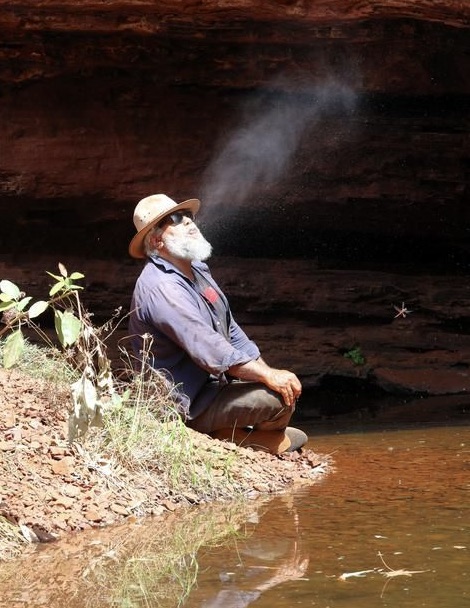
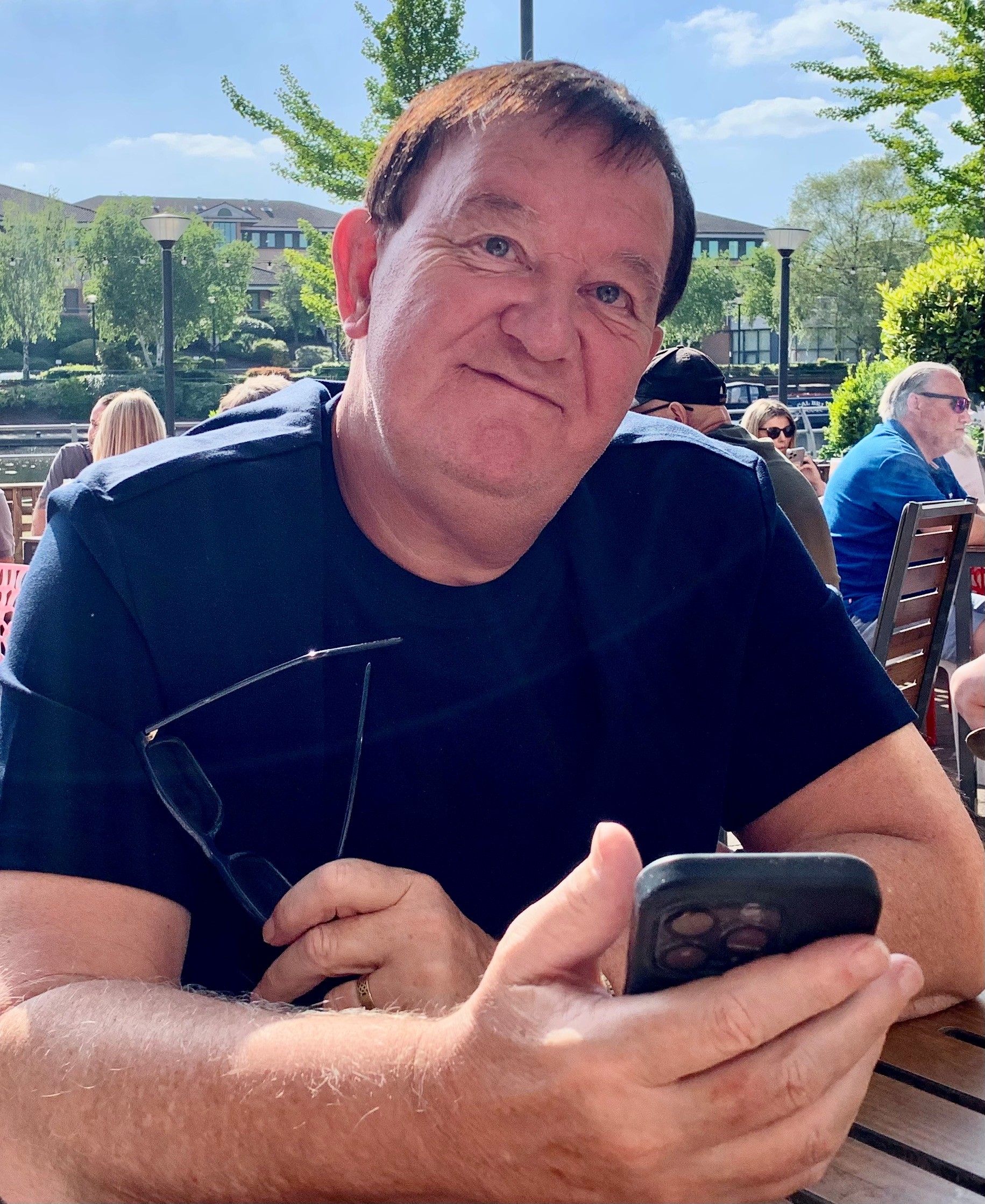
Michael Woodley, the CEO of YNAC.
Mr Woodley said the ruling was welcomed for its recognition of Yindjibarndi connection to Country but argued the calculation method failed to account for royalties paid by mining companies in the region under native title agreements. He said the community’s priority is self-determination over their way of life, opportunities and economic activity.
He described the decision as a win for Indigenous peoples in terms of recognition but said his legal team was reviewing the judgment and the fight for land recognition and rights would continue.
Background to claim
YNAC launched the compensation claim in 2022 seeking $1.8bn. That included $1bn for cultural damage, $678m for economic loss, $34.85m for the destruction of sites and $112.13m for social disharmony allegedly caused by Fortescue. Fortescue sought to cap compensation at $8m, while the Western Australian government argued that between $5m and $10m would be appropriate.
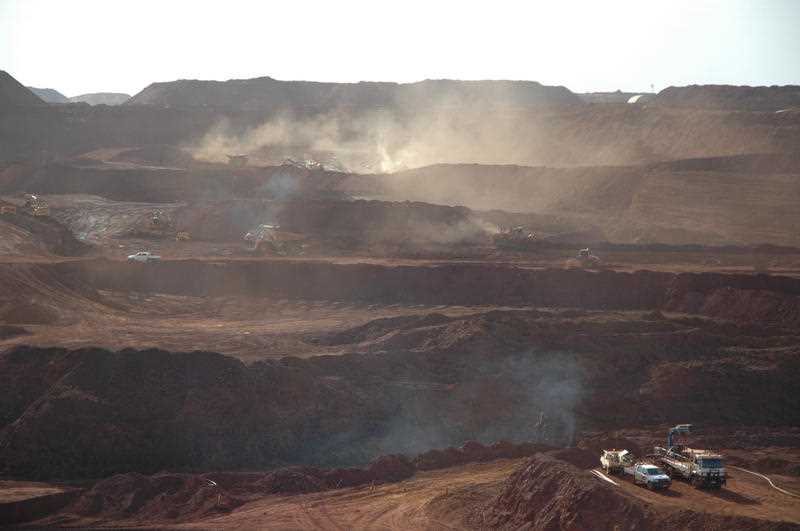
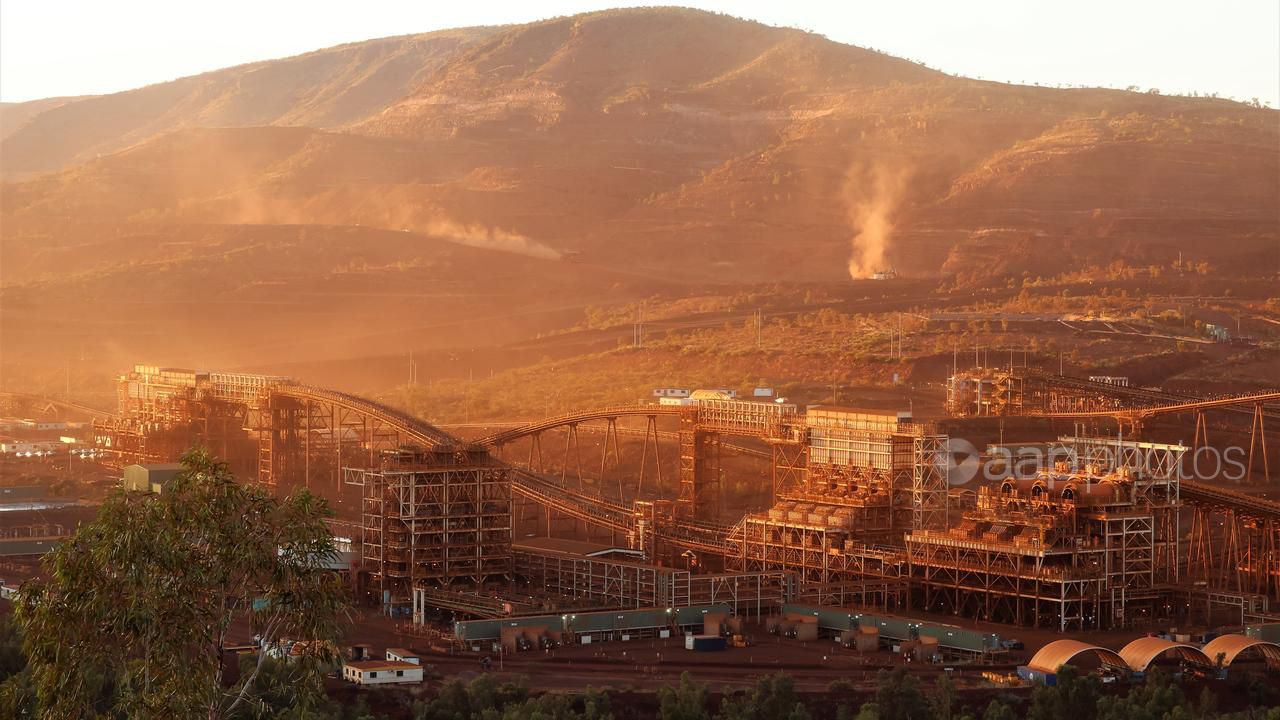
The Yindjibarndi people gained exclusive native title rights in 2017, including the area where the Solomon Hub mine sits, after first filing a native title claim in 2003. The mine has extracted millions of tonnes of iron ore over the past decade and generated an estimated $80bn in revenue for Fortescue since operations began. It was approved by the Western Australian government without the permission of Yindjibarndi traditional owners.
Mr Woodley criticised the State’s intervention on compensation levels, saying the Western Australian government could have remained neutral but instead argued against the Yindjibarndi. He said YNAC’s legal team continues to examine the judgment’s reasoning and possible avenues for appeal.
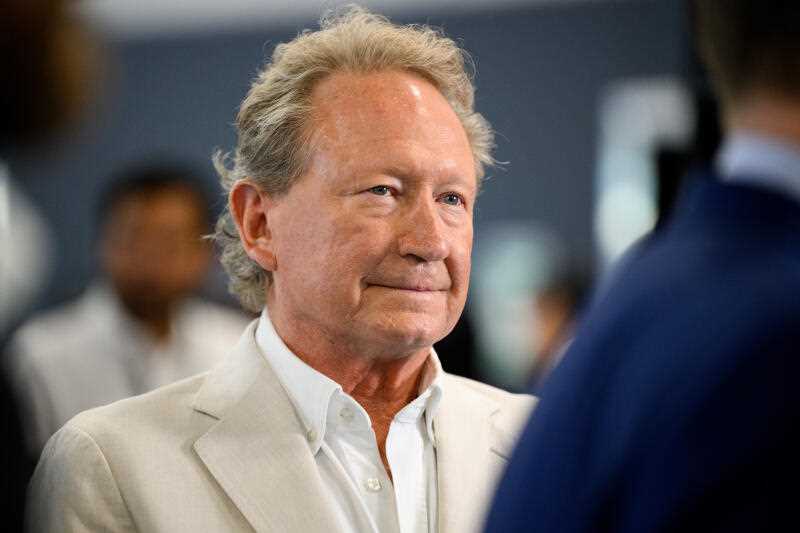
Executive chair, Andrew Forrest, said the company has always accepted fair and proper compensation.
Fortescue and State responses
Fortescue said it would review the court’s reasons when they are made available. Executive chair, Andrew Forrest, said the company has always accepted fair and proper compensation for the Yindjibarndi people and noted that Fortescue pays compensation to traditional owners across the Pilbara under seven native title agreements.
“We maintain excellent relationships with Indigenous groups across the Pilbara, and our work with them is both productive and fruitful for their communities, including the state,” Dr Forrest said.
“After 20 years, I sincerely hope this money can now flow to the Yindjibarndi community and be used to support the elders and families and create future opportunities. “We will pay the compensation tomorrow if given the opportunity.”
In the 2025 financial year, Fortescue reported revenue of US$15.5bn with profits of US$3.4bn. The company said it would assess the court’s detailed reasoning once published.