Indigenous writers unite at Melbourne festival
Indigenous writers from Australia and Canada will share stages and stories in Melbourne this month, in a program curated to centre solidarity, innovation, and community connection.
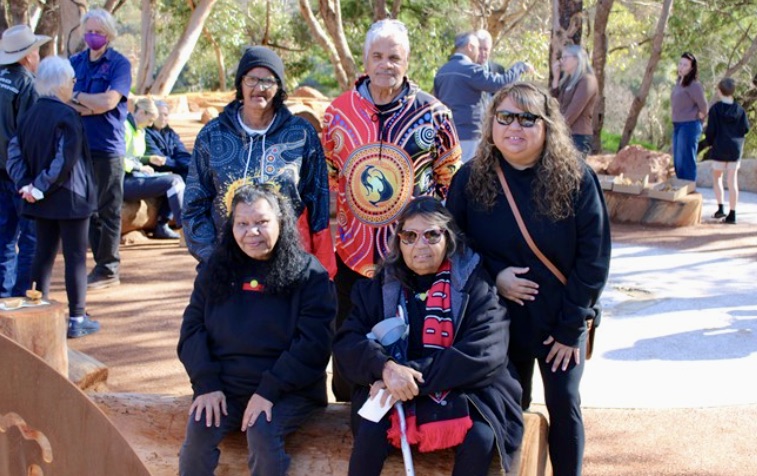
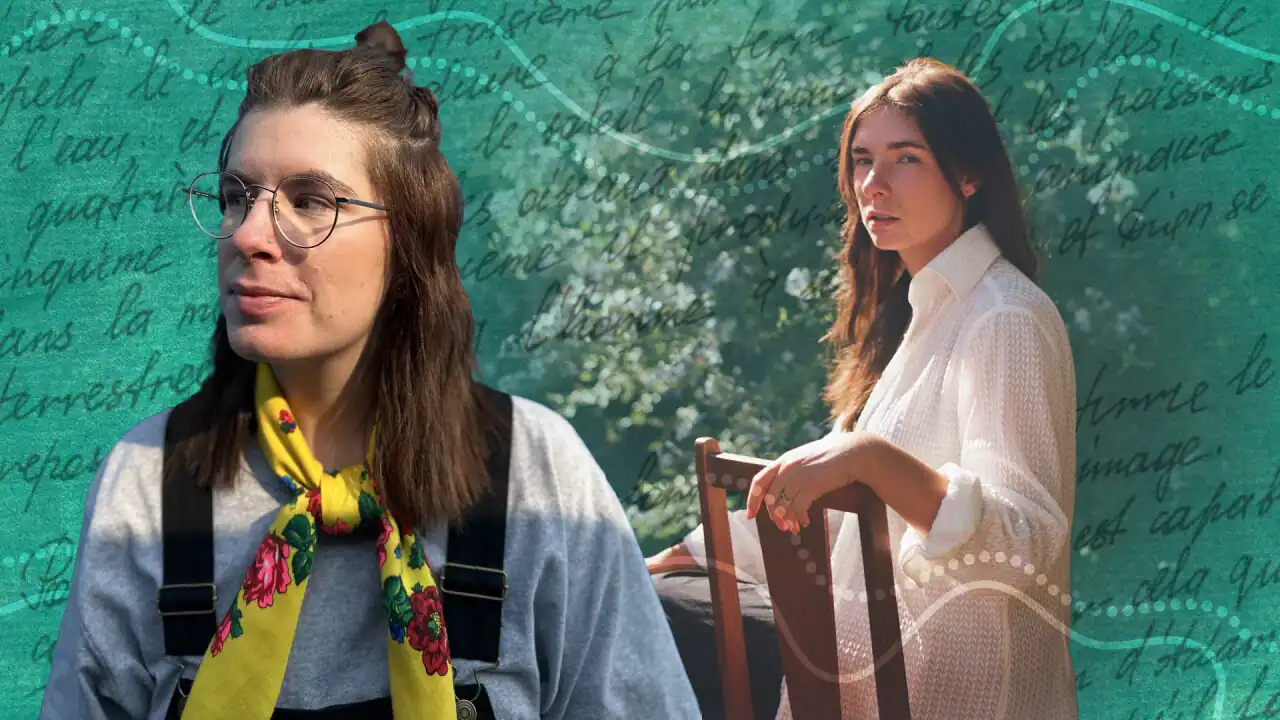
Goorie and Koori poet Evelyn Araluen and nêhiyaw author Jessica Johns have co-curated three linked events for the Melbourne Writers Festival, collectively known as the Festival of Indigenous Stories.
Key Points
- Evelyn Araluen and Jessica Johns co-curate three MWF events
- The series forms the Festival of Indigenous Stories
- Panels run May 9 at the Wheeler Centre in Melbourne
- Participants include Alicia Elliott, Chelsea Vowel, Jesse Wente, Quill Christie-Peters
- Jasmine McGaughey, John Morrissey and Mykaela Saunders join discussions
- Curators emphasise global Indigenous solidarity and relationship building
- Activities include Ngurrak Barring visit and community workshops
Araluen and Johns have organised a full day of conversations that bring together visiting Indigenous Canadian authors and Australian-based writers.
The curators said the goal is to foreground global relationships and shared knowledge, while creating space for First Nations storytelling on its own terms. Johns told NITV that connection among Indigenous peoples worldwide is crucial and “essential” for survival, and emphasised the stakes of the moment.
Johns said Indigenous solidarity and relationship building are central to the series and to the curation process itself.
She framed the programme around gathering writers across continents, learning on the lands being visited, and sharing knowledge about writing, lived experiences, and distinct knowledges. Araluen said the exchange is designed to reveal common threads and reduce isolation for participants and audiences, noting that conversations which surface shared connections can be grounding and humanising.
Themes, panels and participants
The Festival of Indigenous Stories comprises three discussions at the Wheeler Centre in Naarm/Melbourne. The sessions emphasise creative experimentation, self-determined narratives, and collective imagination beyond colonial frames.
- ‘Burial Grounds: Indigenous Perspectives on Horror’
- ‘Reimagining Resistance Beyond Colonies’
- ‘Sintering: An Evening of Indigenous Brilliance’
Alongside Johns, visiting Indigenous Canadian authors include Mohawk writer Alicia Elliott, Métis writer Chelsea Vowel, Serpent River First Nation writer Jesse Wente, and Anishinaabe writer Quill Christie-Peters. They will be joined in conversation by Torres Strait Islander and African American writer Jasmine McGaughey, Kalkadoon writer John Morrissey and Koori/Goori and Lebanese writer Mykaela Saunders.
For Araluen and Johns, the events are a deliberate shift from deficit narratives toward the ingenuity of First Nations storytelling. Johns pointed to the growing number of authors who subvert western narrative structures and reassert forms rooted in their own traditions, describing the moment as especially energising for Indigenous fiction and media arts.
As a poet, Araluen highlighted a surge of emerging Indigenous poets and credited industry change that recognises Indigenous readerships and audiences on their own terms.
“This period now makes me so excited because it’s the first time I’ve felt like we are realised as readers, we are imagined as audiences and people are not just asking ‘what can we give for white audiences?’ but actually asking what we might like to see,”
— Evelyn Araluen, Goorie and Koori poet and co-curator
Araluen contrasted today’s landscape with her own youth, when few First Nations stories were widely accessible. She said the current proliferation of writers and works allows young people to find themselves in literature and to become writers, benefiting from intergenerational exposure to stories. The curators see these panels as both a platform and an invitation to continue building those pathways.
Beyond the stage
Araluen said it was crucial to create opportunities beyond the festival schedule for visiting writers to learn and experience culture on Country. Planned activities include a visit to Ngurrak Barring, a trail through the Dandenong Ranges, to see ‘Thrivance: Then, Now, Next’—an art installation by First Nations artists. The programme also includes community-focused workshops designed to connect visiting writers with Aboriginal readers.
The Melbourne Writers Festival takes place at various locations across Naarm/Melbourne from May 7-10. The Festival of Indigenous Stories, featuring three events curated by Araluen and Johns, runs on May 9 at the Wheeler Centre.