Asia to get a taste of Indigenous bush tea
A native bush tea made from paperbark tree leaves, known as kulbanyi, is being harvested in the Northern Territory to be exported to Asia.
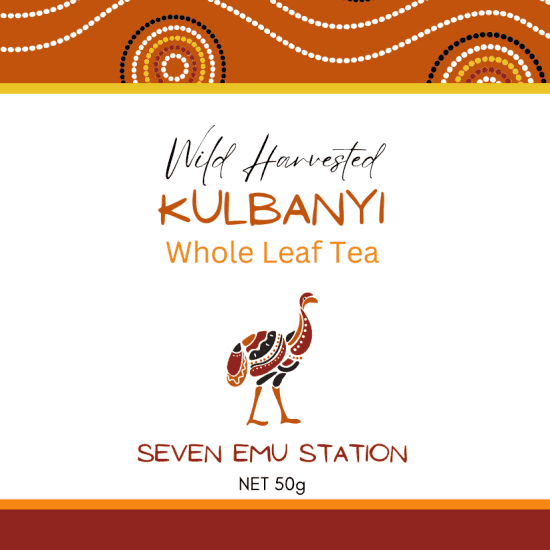
Seven Emu Station is owned by Frank Shadforth, a Garawa man who said kulbanyi leaves have been used in tea for generations. The family harvests the leaves from wild trees on their 400,000-hectare coastal station near the Gulf of Carpentaria, about 900 kilometres south-east of Darwin.
The family has collaborated with FigJam and Co, an Indigenous-owned Australian company that specialises in what it calls “native superfoods” and supplies native ingredients to Asia.
Key Points
- Kulbanyi bush tea harvested on Seven Emu Station in the Northern Territory
- About 100 kilograms processed annually for domestic use and Asian export
- Exports currently shipped to Japan, Korea and China from on-station processing
- FigJam and Co collaborates with Aboriginal groups across Australia
- Overseas buyers express strong demand and product diversification interest
- Unique taste evolves over multiple steepings, according to the company
- Enterprise keeps profits within the NT community through local processing
The family dries and packages the leaves on-site before distributing the tea domestically and exporting it to Japan, Korea and China.
About 100 kilograms of kulbanyi are processed each year. The company involved says demand from overseas buyers is strong and the product has significant growth potential.
Market development
Jacob Davidson, head of strategy at FigJam and Co, told the ABC kulbanyi tea has strong appeal in Asia and characterised it as part of a broader range of “native superfoods” the company supplies.
Mr Davidson recently travelled to Asia to promote the leaves to potential buyers. He said clients were surprised by the product’s attributes and were keen to incorporate kulbanyi into a variety of goods, including biscuits and cocktails.
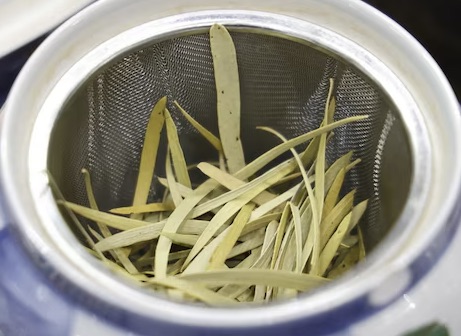
The tea can be steeped multiple times, with its flavour evolving across infusions. He said the first steep delivers a clean, crisp eucalypt taste, the second becomes darker with citrus and chrysanthemum notes, and the third shifts to a strong pine needle profile before settling into a clean, earthy flavour.
Exports are currently bound for Japan, Korea and China, where Mr Davidson reported an “extremely positive” reception and interest in product innovation.
FigJam and Co said buyers were exploring kulbanyi’s use not only as a brewed tea but also as a flavour component in other food and beverage applications.