Minister acknowledges ‘too many’ Indigenous deaths in custody
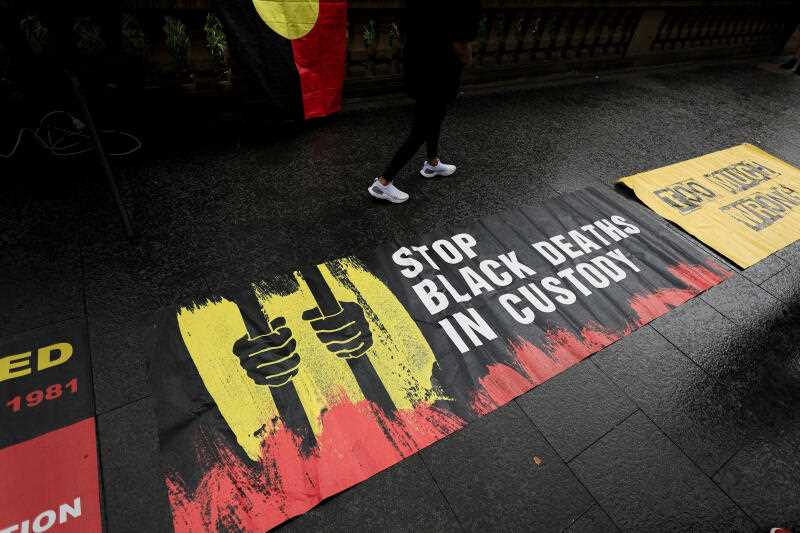
Federal Minister for Indigenous Australians, Senator Malarndirri McCarthy, has acknowledged there have been “too many” Indigenous deaths in custody on the 35th anniversary of the Royal Commission into Aboriginal Deaths in Custody findings.
She said the Federal government is continuing to press States and Territories to meet their Closing the Gap commitments.
In a statement, Senator McCarthy acknowledged ongoing anguish among families and communities. She said the government is working with jurisdictions that control justice levers under the Closing the Gap framework and committed to holding them accountable for agreed targets.
She emphasised that reducing incarceration—identified by the RCIADIC as the most effective way to reduce deaths in custody—remains central to those commitments.
Key Points
- Minister Malarndirri McCarthy acknowledges ‘too many’ Indigenous deaths in custody
- 35 years since Royal Commission findings into Aboriginal deaths in custody
- At least 630 Indigenous people have died in custody since the Commission
- Only one officer has been found criminally responsible in any death
- 2025 recorded the highest deaths since 1979, 42 per cent unsentenced
- Experts condemn laws they say increase Indigenous incarceration across jurisdictions
- Government cites justice reinvestment and health-led prison care proposals
Yesterday marked 35 years since the landmark RCIADIC findings were handed down. Since then, at least 630 Indigenous people have died in custody, with only one police or prison officer ever found criminally responsible for their role in any of the deaths.
The RCIADIC issued 339 recommendations, including that incarceration be used only as a last resort. That principle has since been wound back in several states and territories, according to the report.
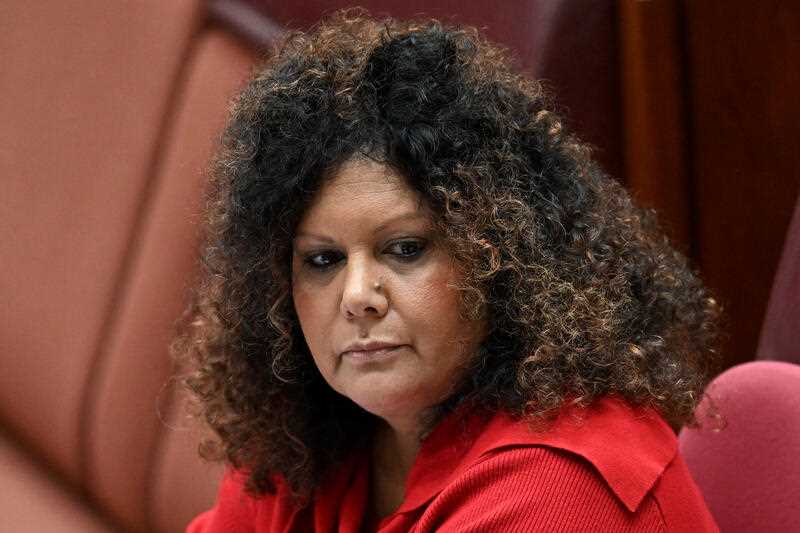
Senator McCarthy acknowledged ongoing anguish among families and communities.
Record deaths and coroner’s warning
Despite the Commission’s guidance, 2025 recorded the highest number of Indigenous deaths in custody since records began in 1979. Of those who died, 42 per cent were un-sentenced.
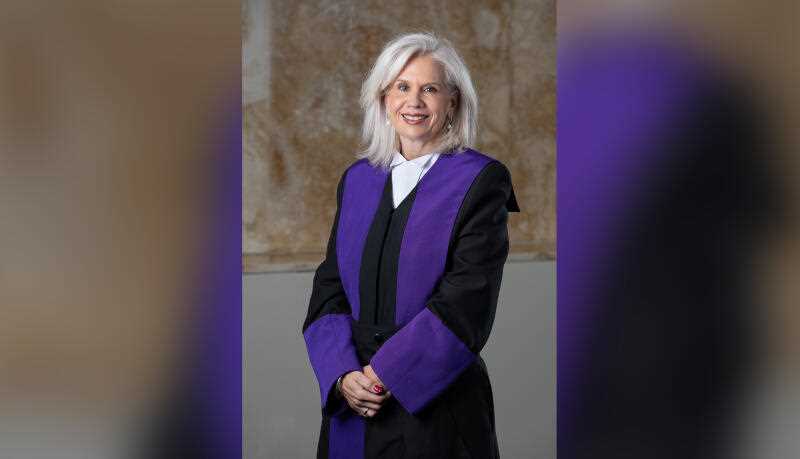
NSW Coroner Teresa O’Sullivan described the trend as a grave marker.
Senator McCarthy reiterated that reducing incarceration rates is key to reducing deaths in custody, aligning with commitments under the Closing the Gap agreement. She said the government will continue to hold states and territories to account while maintaining that community safety and reducing incarceration are not mutually exclusive.
Laws under scrutiny
Experts and advocates have condemned legislative changes across the country—introduced by both Labor and Liberal governments—that they argue heighten the risk of further Indigenous deaths in custody. Measures cited include:
- Life sentences for children in Victoria and Queensland
- Stricter youth bail laws in NSW
- Harsher bail laws in the Northern Territory, contributing to more than one per cent of the population being behind bars
Last year, the family of the late James Henry Muirhead QC—who led the RCIADIC—called on the Prime Minister to intervene and override what they described as the “regressive actions currently being pursued by the Northern Territory Government” on justice and incarceration.
Closing the Gap data
The latest Closing the Gap data shows incarceration rates are continuing to rise nationally, with no reduction in prison rates for children and young people. During his Closing the Gap address in February, the Prime Minister appeared to support states’ and territories’ approaches, arguing they have the right to prioritise community safety.
Against this backdrop, Senator McCarthy said the government was engaging with jurisdictions to meet justice targets, while experts and advocates have renewed calls to fully implement the Royal Commission’s recommendations.
The Federal government has highlighted investments in restorative justice, including justice reinvestment and the National Access to Justice Partnership, which supports community legal services. Officials have also advanced a proposal for State and Territory agencies, working alongside the National Aboriginal Community Controlled Health Organisation, to trial or expand Aboriginal Community Controlled Health Sector-led healthcare in prisons and youth detention facilities.
Ministers are expected to report on that proposal to a joint First Nations and Health Ministers Meeting at the end of the month. Senator McCarthy said the government is focused on community-led solutions designed to prevent contact with the justice system and pointed to record funding for justice reinvestment as part of that approach.