Deaths in Custody report highlights ongoing concerns
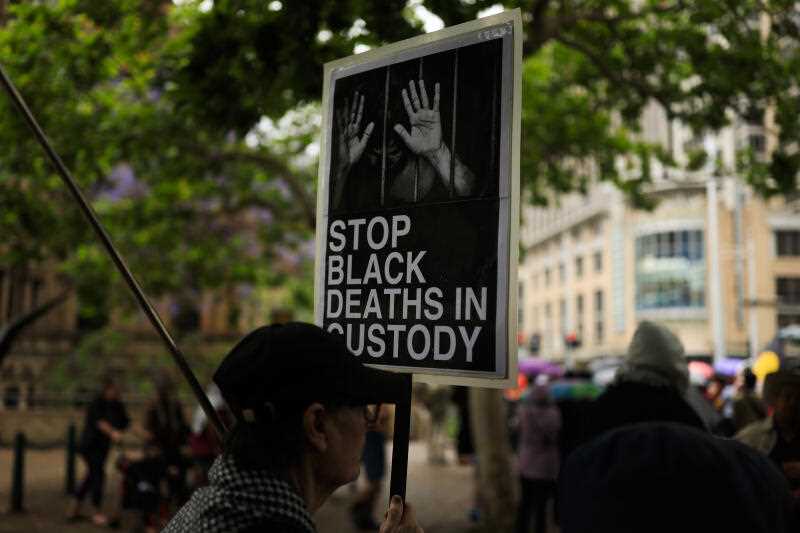
Thirty-five years after the Royal Commission into Aboriginal Deaths in Custody report, the Queensland Law Society has cited 588 Indigenous deaths in custody and has urged measurable justice targets and reforms.
The Proctor report has highlighted continuing concerns about deaths in custody and the persistent overrepresentation of Aboriginal and Torres Strait Islander peoples in Australia’s prisons.
Key Points
- Thirty-five years since RCIADIC’s final report delivered in April 1991
- Commission investigated 99 deaths and issued 339 recommendations
- Since RCIADIC, 588 Indigenous deaths in custody, including 27 in 2024
- Indigenous Australians are 3.8 per cent of population but 32 per cent of prisoners
- 1990–1995: Indigenous people 16.5 times likelier to die in custody
- 2017 Deloitte: 78 per cent recommendations implemented; scholars dispute that
- QLS urges independent investigations, bail supports and cultural programs
The Royal Commission was established in response to public concern that deaths in custody of Aboriginal people were too frequent and poorly explained. Over four years, it investigated 99 deaths across Australia and examined the systemic issues that contributed to them. The Commission’s final report, handed down in April 1991, made 339 recommendations aimed at lowering Aboriginal deaths in custody.
The Proctor article published by Qld Law Society said there have been 588 Indigenous deaths in custody since the RCIADIC, including an alarming 27 Indigenous deaths in custody occurring in 2024 alone.

Findings on overrepresentation
The Commission’s findings underscored a sharp disparity in custodial outcomes. Between 1990 and 1995, Indigenous people were 16.5 times more likely than non-Indigenous people to die in custody. This disparity reflected broader overrepresentation in the justice system. In 1995, Indigenous people were 14.7 times more likely to be imprisoned than non-Indigenous people, according to the inquiry findings cited by Proctor.
Indigenous Australians account for 3.8 per cent of the Australian population yet constitute 32 per cent of the total prison population. The publication links these disproportions to the continued frequency of Indigenous deaths in custody.
Reference was made to a 2017 review by Deloitte Access Economics that found 78 per cent of the RCIADIC’s recommendations had been fully or mostly implemented. The article also cited an independent review by Aboriginal scholars concluding that the true level of implementation is much lower. It attributes this to recommendations being implemented and later reversed, or adopted only on paper without effective outcomes.
Calls for measurable justice targets
In 2018, Queensland Law Society (QLS) made a submission to the Council of Australian Governments on the next phase of the Closing the Gap initiative. QLS observed that strategies and policy to reduce incarceration are subject to state and territory control. It urged the establishment of public, specific program outcomes that are regularly monitored for authoritative and evidential effectiveness.
QLS 2024 reform proposals
Further measures are outlined in the QLS 2024 State Call to Parties Statement, which proposes initiatives and reforms to reduce incarceration rates and address overrepresentation in the criminal justice system. Proctor lists the following priorities:
- Establish an independent body to investigate and make prosecutorial recommendations with respect to Aboriginal and Torres Strait Islander deaths in custody
- Greater resourcing of existing and new projects, processes and programs to address the overrepresentation of Aboriginal and Torres Strait Islander people in the criminal justice system
- Reduce rates of remand by investigating bail assistance programs for young people and adults, with specific reference to the incarceration rates of Aboriginal and Torres Strait Islander people
- Implement community-led Aboriginal and Torres Strait Islander Elder visitor and other culturally appropriate programs in Queensland correctional facilities with a view to reducing incarceration and recidivism rates