Calls for more protections for Rottnest after remains discovered
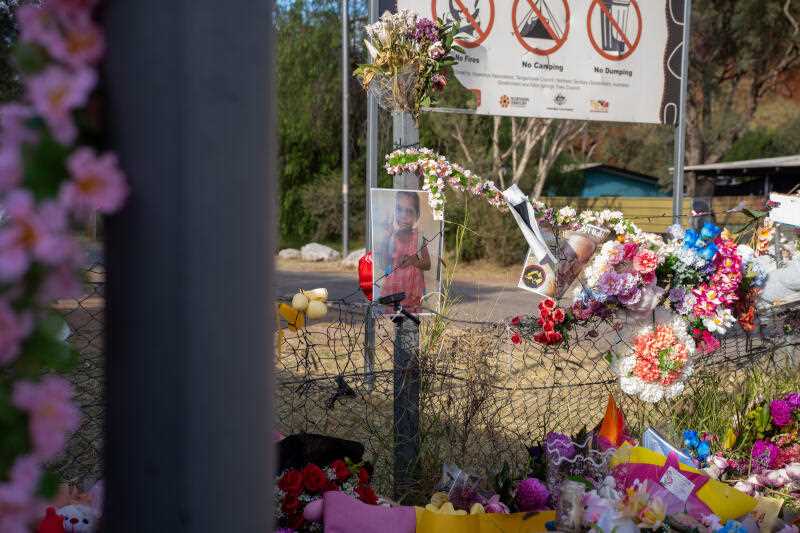
Indigenous leaders are urging stronger protections for Rottnest Island and renewed truth telling after Indigenous remains were discovered during construction work at the popular holiday destination off Perth’s coast last week.
Calls include a push for UNESCO World Heritage listing, citing the island’s cultural and historical significance and the longstanding distress caused by its carceral past.
Key Points
- Indigenous remains found during construction on Rottnest Island last week
- Bones located at Holy Trinity Catholic Church site, police investigating
- WA Police say remains appear historical and Indigenous in origin
- Hannah McGlade urges UNESCO World Heritage listing for the island
- Records show thousands imprisoned on Rottnest from 1838 to 1931
- Hundreds reportedly buried in unmarked graves after brutal conditions
- Whadjuk Aboriginal Corporation to meet on cultural authority response
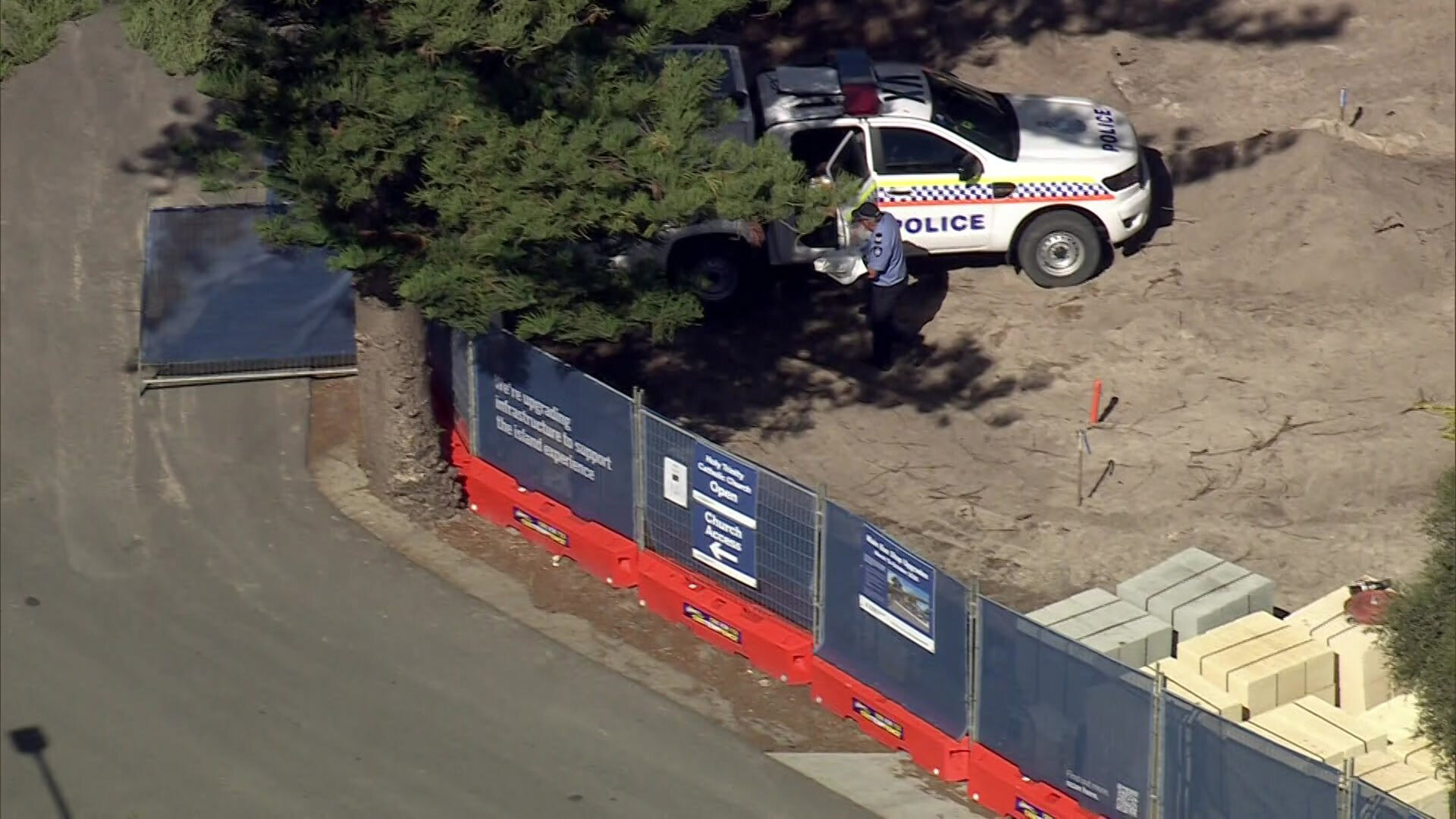
Police began investigating on Wednesday after bones were found on the grounds of the Holy Trinity Catholic Church during works on Rottnest Island. A WA Police spokesperson said advice indicated the remains were historical and consistent with Indigenous ancestry.
The site, known for pristine beaches and quokka photo opportunities, again confronted its history after the find. The bones have been handed to the Whadjuk Aboriginal Corporation, which has scheduled a meeting for Monday to ensure cultural authority is heard.
Historic imprisonment and unmarked graves
According to the Rottnest Island Authority, WA state records indicate thousands of Aboriginal men and boys were imprisoned on Rottnest between 1838 and 1931. Many were community leaders. Their removal had lasting effects across communities.
Accounts referenced in the reporting describe living conditions on the island as brutal. Hundreds who died due to their poor treatment were buried in unmarked graves. The persistent failure to fully acknowledge this history has long caused distress for Aboriginal people.
Indigenous human rights expert and Kurin Minang Noongar woman Hannah McGlade said Rottnest deserved the same protection afforded to the Burrup Peninsula site in the Pilbara, home to ancient petroglyphs. She argued that the island’s cultural and historical significance, and the ongoing ramifications of its past, warranted UNESCO recognition.
Recent steps and cultural initiatives
In 2018, the WA government announced that the island’s historic prison building, known as the Quod, would no longer be used as tourist accommodation. The Quod was built by and housed Aboriginal prisoners.
Aboriginal people also established the Kwoba Wirin-up cultural space, which opened last year on the northern tip of the island to encourage other Indigenous people to visit. Advocates said the space was part of ongoing efforts to centre cultural authority and educate visitors.