Communities call for help as fuel costs escalate
Indigenous leaders in the Top End have called for higher remote area welfare payments as fuel and transport costs have doubled since the start of the war in the Middle East.
Community leaders are calling for higher support for residents in remote areas who are already struggling to afford sufficient food.
The Central Land Council’s Josie Douglas said the existing $9.10 per week extra on welfare payments for remote residents is inadequate.
Ms Douglas told the ABC there was no buffer when fuel and food costs rise, and called for the remote area allowance to be immediately indexed for CPI, with the base rate substantially increased to offset the real cost of living for remote communities.
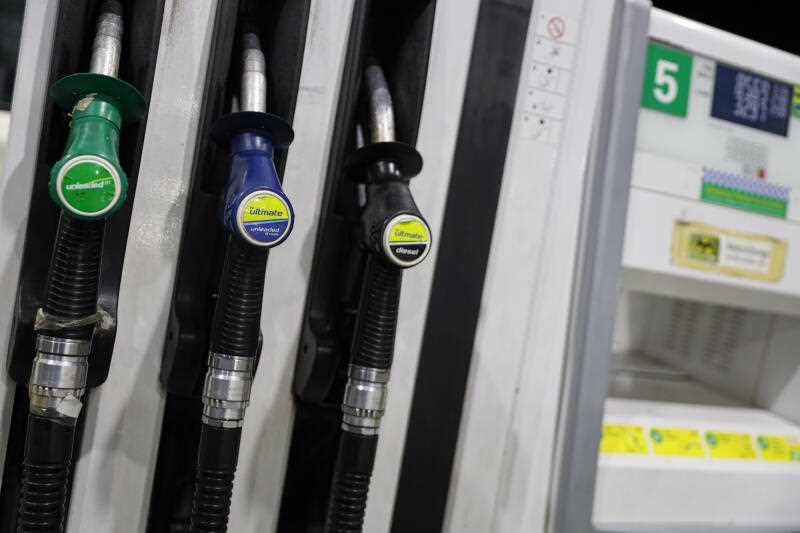
Businesses are warning diesel could run short by mid to late April.
Indigenous businesses in the fishing and farming industry are also impacted as diesel fuel becomes both scarce and where available, expensive.
NT fishers and farmers report fuel and transport costs doubling, warn diesel could run short by mid to late April, and urge priority fuel access. Indigenous leaders seek higher remote welfare support.
Key Points
- Fuel and freight costs have doubled for NT fishers and farmers
- Fishing industry warns diesel shortages by mid to late April
- Operators plan to pass higher costs to wholesalers and buyers
- Growers consider scaling back planting amid steep transport levies
- Business group urges federal transport subsidies and cost relief
- Indigenous leaders call for higher remote area welfare payments
- Industry seeks priority fuel access for food production sectors
Fuel shock hits fishing and farming
Australia Bay Seafoods general manager Michael O’Brien told the ABC his fuel bill a month ago was $58,000. Now it’s costing me $98,000 to put 40,000 litres of fuel onboard,” he said. Add in freight costs and the situation looks bleak.
Both the farming and fishing sectors are appealing to the federal government to prioritise fuel supplies for food production if shortages intensify. Mr O’Brien urged federal and state governments to consider additional primary industry subsidies, citing the need to protect food security and the entire supply chain.
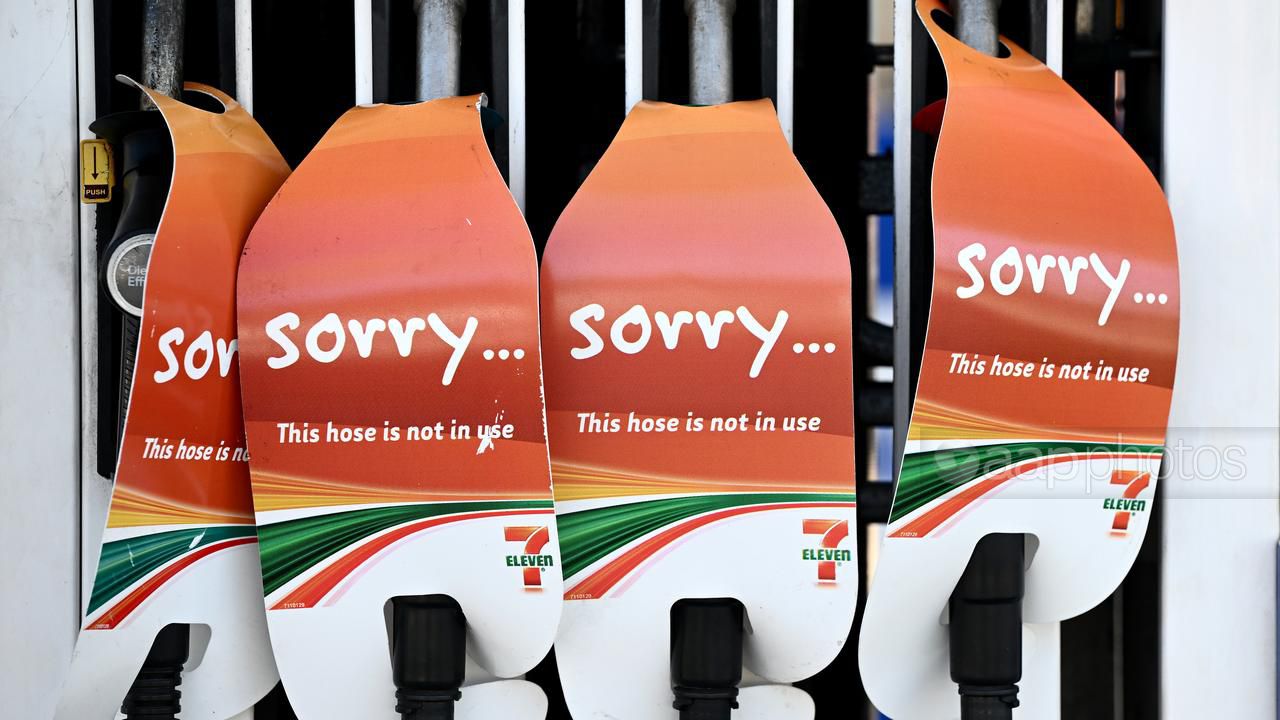
In the Northern Territory’s farm sector, NT Farmers Association president Simon Smith reported that trucking costs have also nearly doubled for growers. He said inputs are attracting higher levies, with a 30 per cent increase now and a 50 per cent fuel levy approaching, and the same charges applying to outbound freight.
With operators signalling looming diesel constraints and cost pass-throughs, industry bodies and Indigenous leaders are pressing for rapid policy responses to stabilise food production and protect remote households already under pressure.