Improving clinician communication can aid Indigenous mental health
A major mental health gap between Aboriginal and Torres Strait Islander peoples and other people of Australia can be addressed through more careful communication by healthcare professionals, with improved methods identified by Flinders University and fellow researchers.
The Australian Institute of Health and Welfare (AIHW) has highlighted that Aboriginal and Torres Strait Islander deaths from suicide are almost twice as high as other peoples of Australia; hospitalisation due to self-harm is three times as high; and high psychological distress 2.4 times as high.
The new article in The Lowitja Journal has recognised communication as critical for safe and effective mental health care for Aboriginal and Torres Strait Islander peoples.
Principles and practices
Led by Flinders University’s Associate Professor Stuart Ekberg, the study identifies practical approaches that health professionals can use to optimise their communication.
“Effective communication between mental health professionals and Aboriginal and Torres Strait Islander people is critical for culturally safe care – but to genuinely support culturally safe communication there is a need to move beyond highlighting communication challenges,” Associate Professor Ekberg from Flinders University’s Caring Futures Institute, said.
Research outlines a series of principles and practices that mental health professionals in Australia should employ to promote culturally safe communication with Aboriginal and Torres Strait Islander people accessing mental health services.
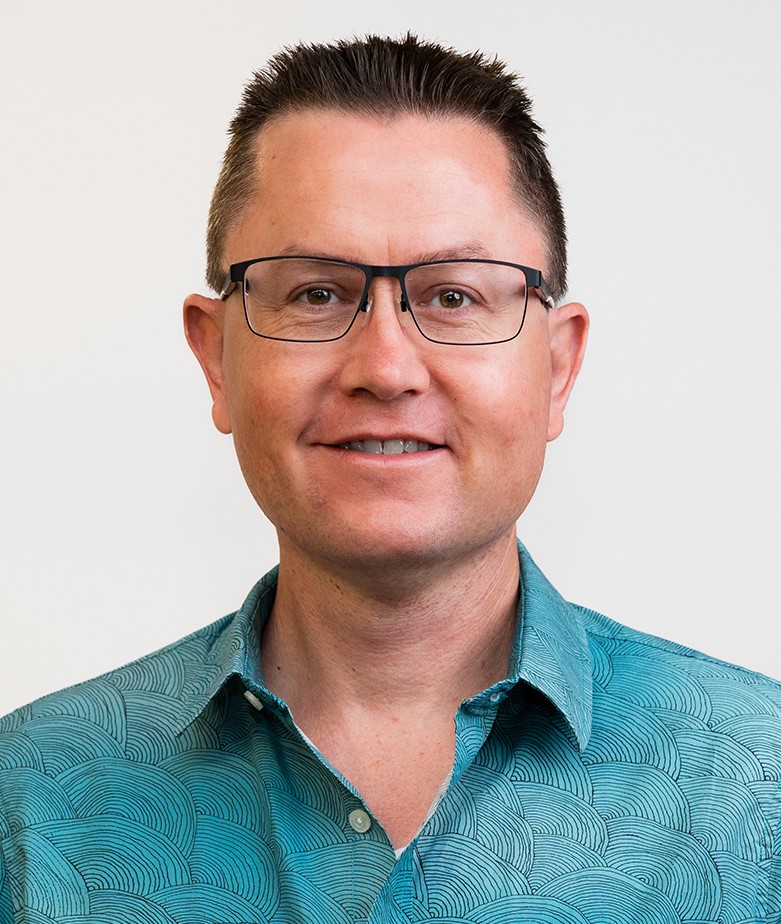
Flinders University Associate Professor Stuart Ekberg.
“Both research evidence and the Australian Government highlight the importance of care that is both clinically and culturally safe,” Associate Professor Ekberg said.
“Because most aspects of mental health care involve communication, we have systematically reviewed available evidence that shows mental health professionals how to communicate in culturally safe ways.”
Led by a team of Aboriginal and non-Aboriginal researchers, the review of 57 literature sources identified an evidence-based guide for culturally safe communication, built around three essential principals required for effective communication:
- “Knowing Our Stories”, which covers professional requirements of knowing and understanding Aboriginal and Torres Strait Islander cultures and the impacts of colonisation that support culturally safe communication.
- “Being With Us”, which covers adequately preparing for culturally safe communication. This includes determining a suitable location for consultations, whether to involve family and community, and whether to involve Aboriginal and Torres Strait Islander mental health professionals. Also, importantly, this involves considering whether there are people who should not be involved.
- “Doing Things Our Way”, which introduces practices for culturally safe communication, such as building strong rapport through yarning and deep listening, while also recognising that language differences can shift the meanings of words used to talk about mental health.
The review has highlighted important considerations for mental health practice, such as recognising that certain beliefs or practices that may be interpreted as a sign of a mental illness within Western biomedicine may not necessarily indicate mental illness for Aboriginal and Torres Strait Islander peoples.
Associate Professor Ekberg said meaningful understandings should recognise diversity between Aboriginal culture and Torres Strait Islander culture, as well as diversity within Aboriginal cultures.
“Mental health professionals should employ the principles and practices highlighted in this review to promote culturally safe communication with Aboriginal and Torres Strait Islander people accessing mental health services,” Associate Professor Ekberg said.
Opportunities to improve outcomes
Supported by an NHMRC Ideas grant, these recommendations are now being tested through the training of mental health professionals in four hospital and health services in Queensland.
Professor Catherine Chamberlain, Co-Editor-in-Chief of First Nations Health and Wellbeing – The Lowitja Journal, said the research highlighted opportunities to improve mental health outcomes for Indigenous people through appropriate communication and connection.
“This peer-reviewed article is an excellent example of The Lowitja Journal’s commitment to providing an accessible, global platform for First Nations health and wellbeing perspectives,” she said.